Tag Archives: Problem-based learning

Changing Attitudes, a major challenge for Development and Education

BW Attitude

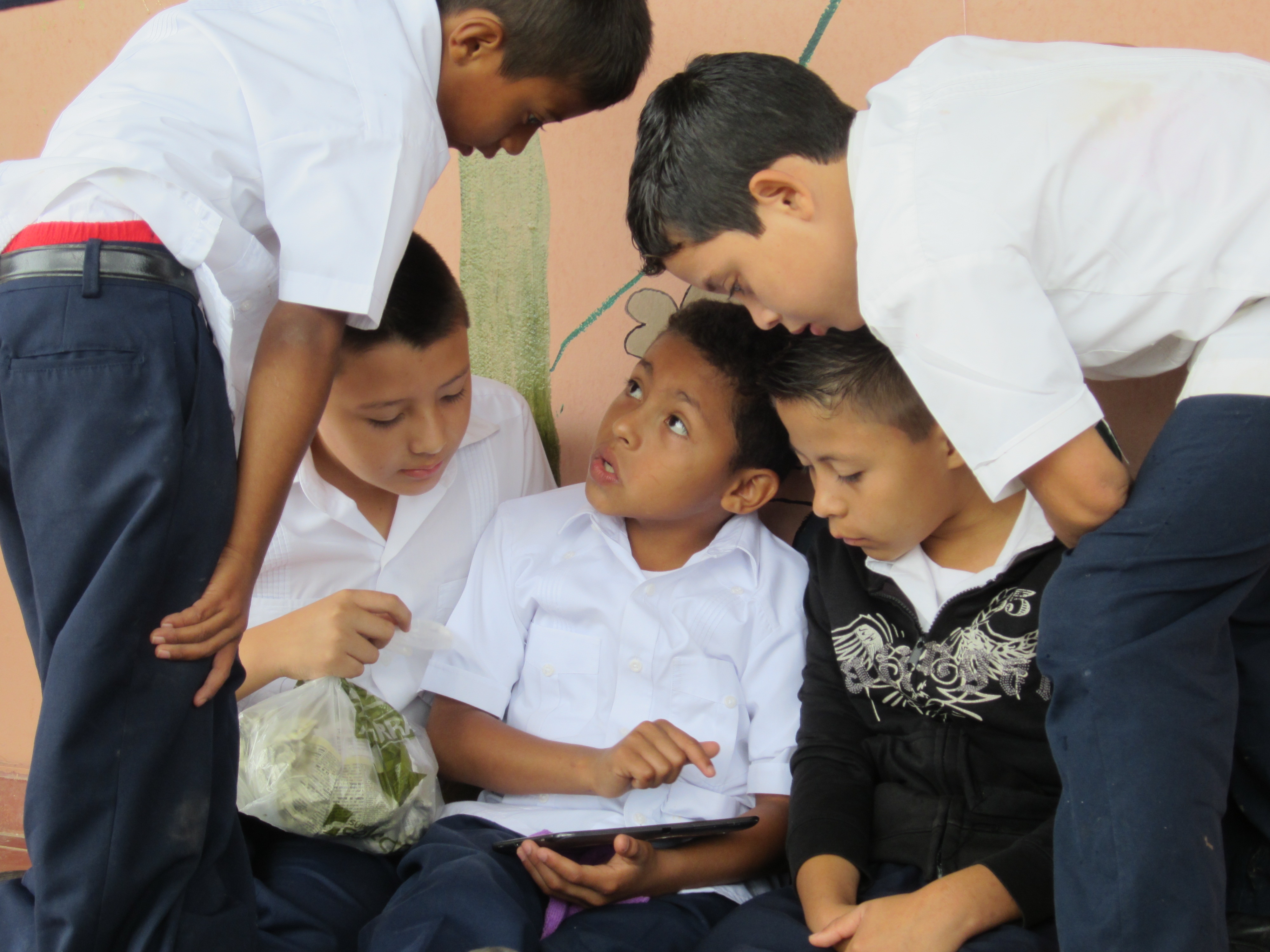
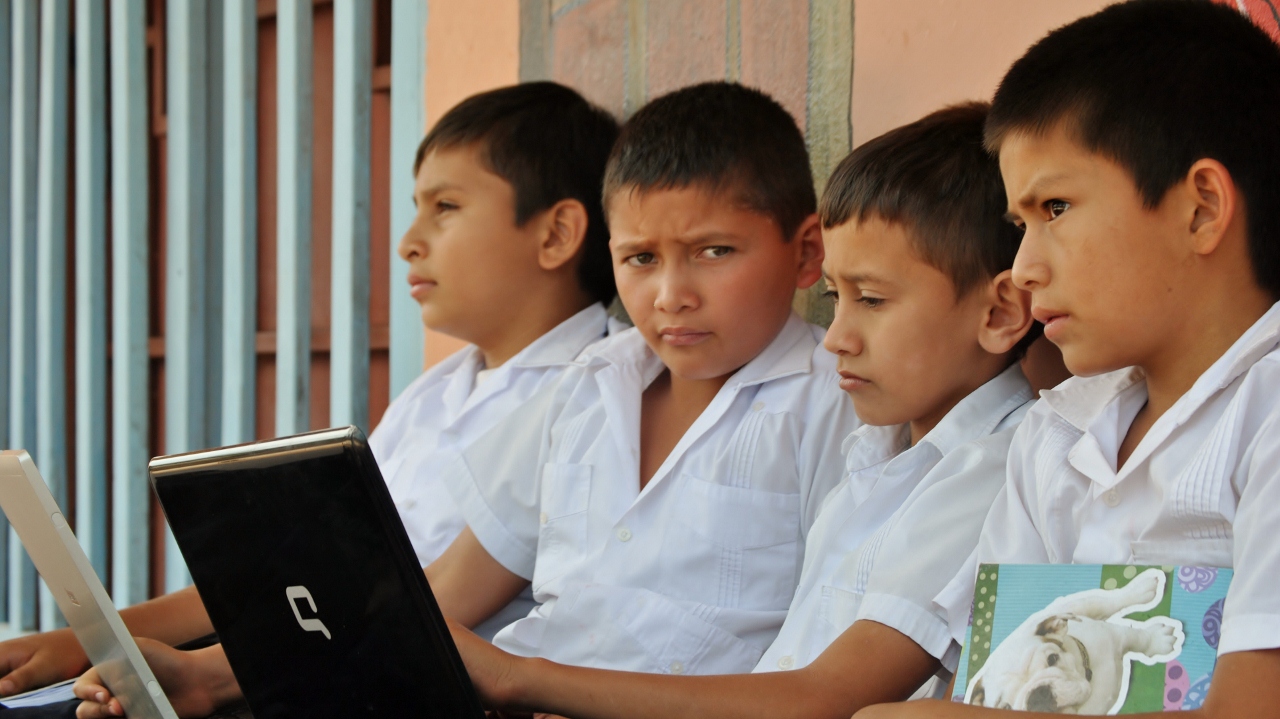
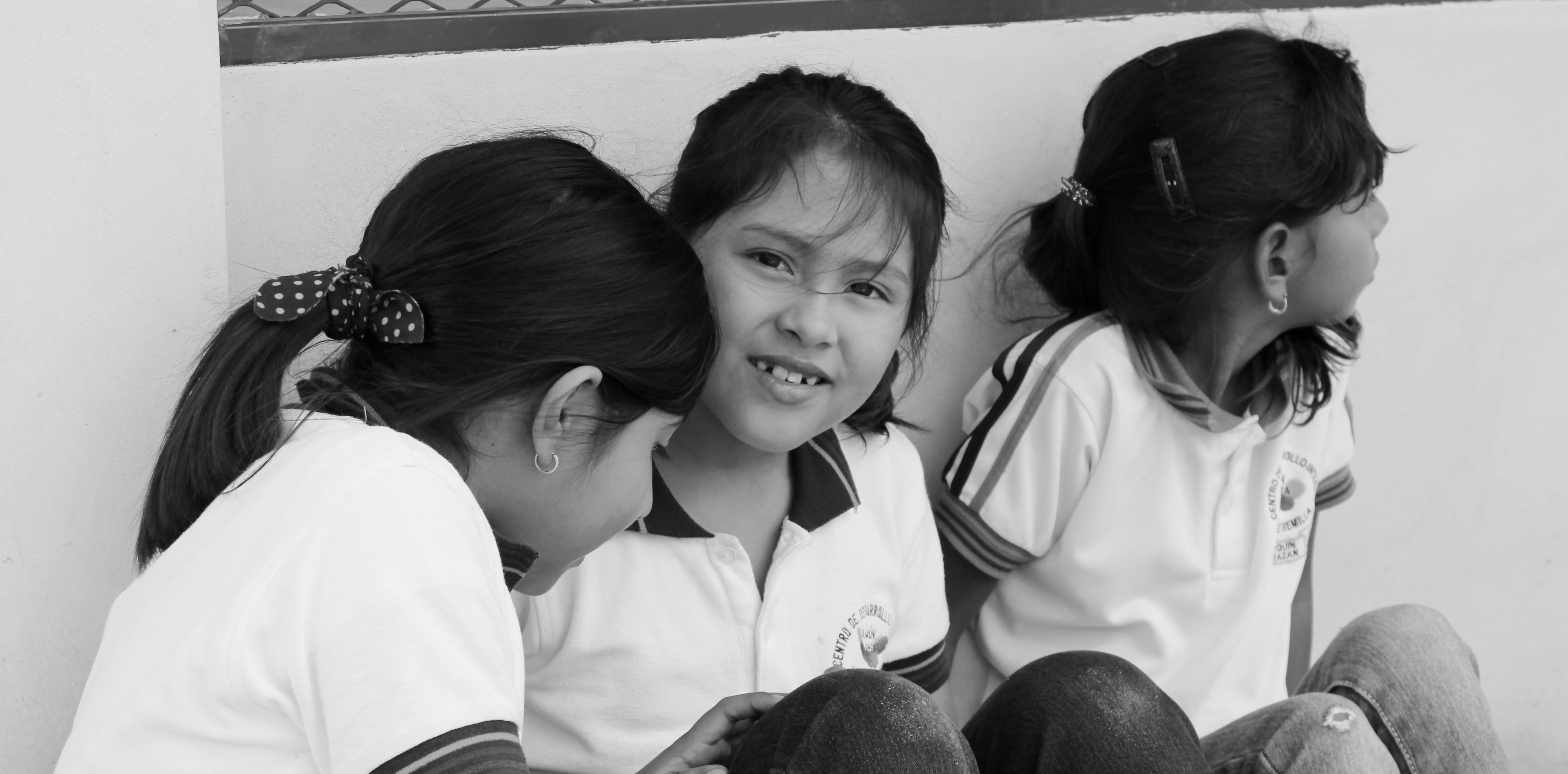
At Amún Shéa, we are enjoying a substantial degree of success using critical thinking, analysis and debate on relevant issues as tools to foster positive can-do attitudes. Our current challenge in this component is to instill a sense of social responsibility, intrinsic motivation and self-discipline in each student. This is easily the least understood aspect of the program within the educational community and requires considerable tact in its presentation. Empowerment of students sounds enlightening, but the shift in control that occurs when it is actually carried out (and not just spoken of) triggers an incredible resistance.

We have a formal educational community organization consisting of representation from the student council, the teachers’ commission, the parents’ organization, school administration and the Foundation. It is fascinating to observe the chemistry between these groups as we work towards shared decision making. Discipline is the “elephant in the room” theme brought up each time an adult feels pressured by this process. The discipline conversation always directs our attention to an idealistic and more ordered past where social structure seemingly had greater definition, and appearance revealed worth.

Perhaps the uncertainty of the world today causes one to yearn for a simpler, less complicated period. The vision of impeccably uniformed students with greased-back hair, toes pinched in freshly polished shoes and creases you could cut cheese on, mothers pretending they love getting up at four in the morning to produce such a fine specimen and fathers over in the shade nodding their approval, brings to mind a safe haven in the past. Perhaps a reluctance to accept the inevitable changes that children push for, a reluctance to abandon status quo, creates this yearning for “The way it used to be.”

This “safe haven” period generally refers to the industrial age educational system. The world moves on however, and humanity evolves. We have entered into a new age, not yet fully defined perhaps, but marked by what can only be defined as dimensional or evolutionary changes. Either by design, choice or by chance, the past is relevant only as a lesson and a reference point as we move forward. New definitions as well as fresh norms of social conduct are necessary in order to navigate ever-changing currents, hurdles and opportunities in our increasingly complex world.

Strict obedience to authority is absolutely necessary in many minds, and there within lies a major problem in changing attitudes. Our position is that the final product of strict obedience is dependence, which is fine if your objective is to create soldiers and employees for the industrial age, but which does nothing to jump-start new socioeconomic growth. Genuine progress demands out-of-the-box thinkers, independent and skeptical of external approval, willing to take risks and with a high degree of both ability and self-confidence. We must understand that the phrase, “Because I am in charge,” is a direct affront to this process.

Observation leads me to contemplate the extent to which our thinking processes are evolving. Not all of the differences of opinion and position may be attributed to adolescence and generational “growing pains.” Without overstepping my area of experience, I believe we need to take a good look at decision making processes and the impact that honor codes have on that process. I would hazard a guess that those who yearn for the “safe haven” past maintain a strict code of honor which firmly establishes right and wrong within their understanding. An evolutionary process manifesting itself in many younger people seems to be that of developing a decision making process of comprehensive assessment unique to each situation; flexibility.

Care must be taken that our attempt to promote acceptable social behavior among our youth, through codes of honor, does not actually condition them to accept superficial codes. Codes which are imposed and not naturally assimilated are easily exchanged for another. While strict ethical codes are pictured as noble, there are many sectors of society which operate with authoritarian codes that accept no questioning; criminal organizations, youth gangs and cults, to name a few. We would be much further ahead by accepting that both evolution and our youth are moving in the right direction and support them in this transition.

Caught in transition between the industrial/information age and the incoming yet-to-be-named eon, we need to structure our programs with flexibility that bridges rather than breaks down community during this period. A level of tension, both generational and from a difference in vision will be prevalent, even volatile at times. We must learn how to responsibly manage those differences and understand the processes provoking those them.

It is clear that changing attitudes is a long-term endeavor, in all probability involving several generations. The length of the process should not be seen as a problem, insomuch as we have a comprehensive strategy and are moving daily in the right direction.
Training our Children for Unemployment

Irrigation

Fundamental changes are currently taking place in this brief and eternal moment we share as reality. The idea that we can actually take some type of action and “get things back to normal” brings to mind that oft repeated adage “There are none so blind as those who will not see.” There is no “going back!” We can only move forward.

Although we glowingly refer to our children as the future, we have largely surrendered their training for life to an outdated archaic educational system which does little more than remove them from our presence during part of the day. Indeed, that day often provides little in the way of substantive education. The little formation that does take place does not prepare them for the real world. An argument could actually be made that we are training them for unemployment. Yes, there are exceptions to this, but unfortunately they are exactly that; exceptions!

Globalization is a very interesting phenomenon, and one which has brought about a most profound change to humanity. Initiated primarily to leverage corporate advantage, it has morphed into the social field as well. Perhaps it is this corporate global takeover that has so homogenized our social and economic woes throughout the world? However an obvious advantage of globalization is that we are also now equipped to share experiences and build common solutions.

Our globally shared obstacles, to the happy and prosperous existence some once considered an inherent right, include:

  1. An ever deepening chasm between the populace and government as national laws respond to faceless “international agreements” and corporate interests, as opposed to the “will of the people”.
  2. A diminishing of “stable job markets,” resulting from outsourcing, hiring practices designed to reduce the burden of long-term financial commitment, a general reduction in available positions and unfunded government mandates.
  3. An unstable and abused natural environment, becoming much less friendly and bountiful in providing our basic needs, including air, water and food production.

Any political stance on these points is pointless and only distracts from the task at hand of forming our children for the new normal. The new normal calls for greater self-reliance, initiative and adaptability. It calls for greater cooperation at grassroots level and less dependency on bureaucratic systems. It calls for the construction of local alternatives and solutions. It calls for an educational system with a purpose, willing and able to adapt to local needs and, above all, willing to teach and learn new things.

We must start training our children to be productive and successful in a world where traditional employment becomes increasingly scarce. Their substance and happiness must be of their own making, as a result of cooperation and must not depend on external sources. Our task is to strive to understand the nature of current changes and to build pro-active strategies and responding flexibility into the programs and systems that prepare our children for their own changes.

The Mandate of Education in Development

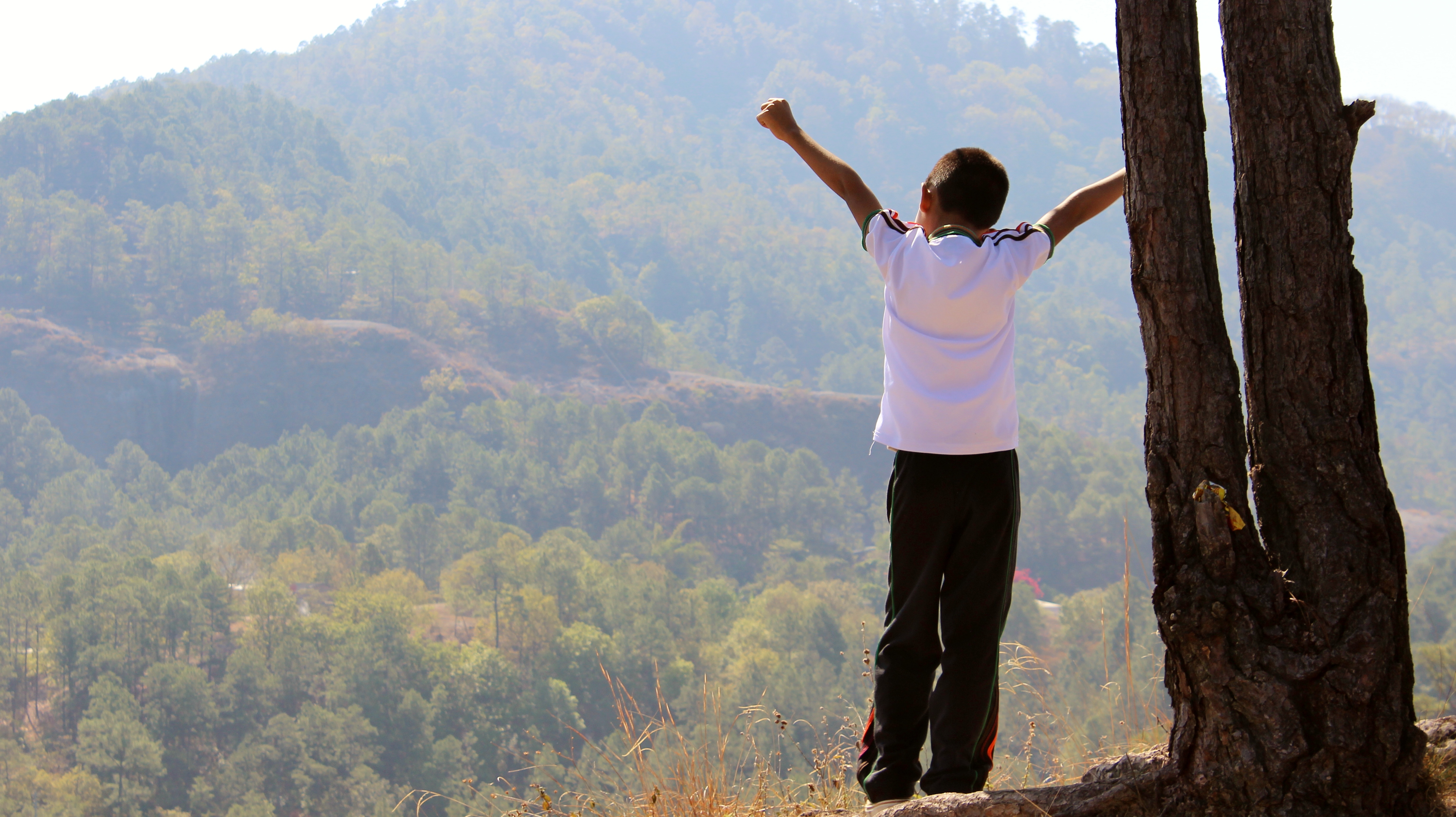
Niño brazos en alto

Education has a mandate in socioeconomic development! Especially in economically unstable regions, the implementation of new productive endeavors or innovative methods requires a time consuming learning process. In underdeveloped regions of the world, much of the effort of outside experts is consumed in teaching basic concepts and simple mathematic operations instead of implementing the necessary modernization.

Typically, these development projects are implemented in close proximity to a local school. These schools, as part of the “formal educational system” use standardized lessons which are often completely divorced from community needs and employment opportunities. This void easily reaches a point where the focus on the hypothetical leaves students unprepared for real-world situations. This situation actually disempowers people and generates passivity in the face of personal and shared challenges.

The mandate is to bridge this gap between education given and the knowledge needed, if we are to see positive change in socioeconomic statistics. A first step is to merge the activities of education and development so that obstacles to growth become areas of study in the school. Next, outside technical assistance must be made available through the school, which amplifies coverage, lessens time spent on basic concepts and takes advantage of potent youthful energy. This merging of activities enhances the quality of each by providing purpose and motivation for each.

Unfortunately, the intent of creating equal opportunity through the standardization process, while claiming different degrees of success in different places, in general failed completely throughout economically stagnant regions of the world. The wholesale training of an employee class, and then sending them out into a jobless situation, is counterproductive. Opportunity lies in entrepreneurship and the application of creativity to specific local circumstances.

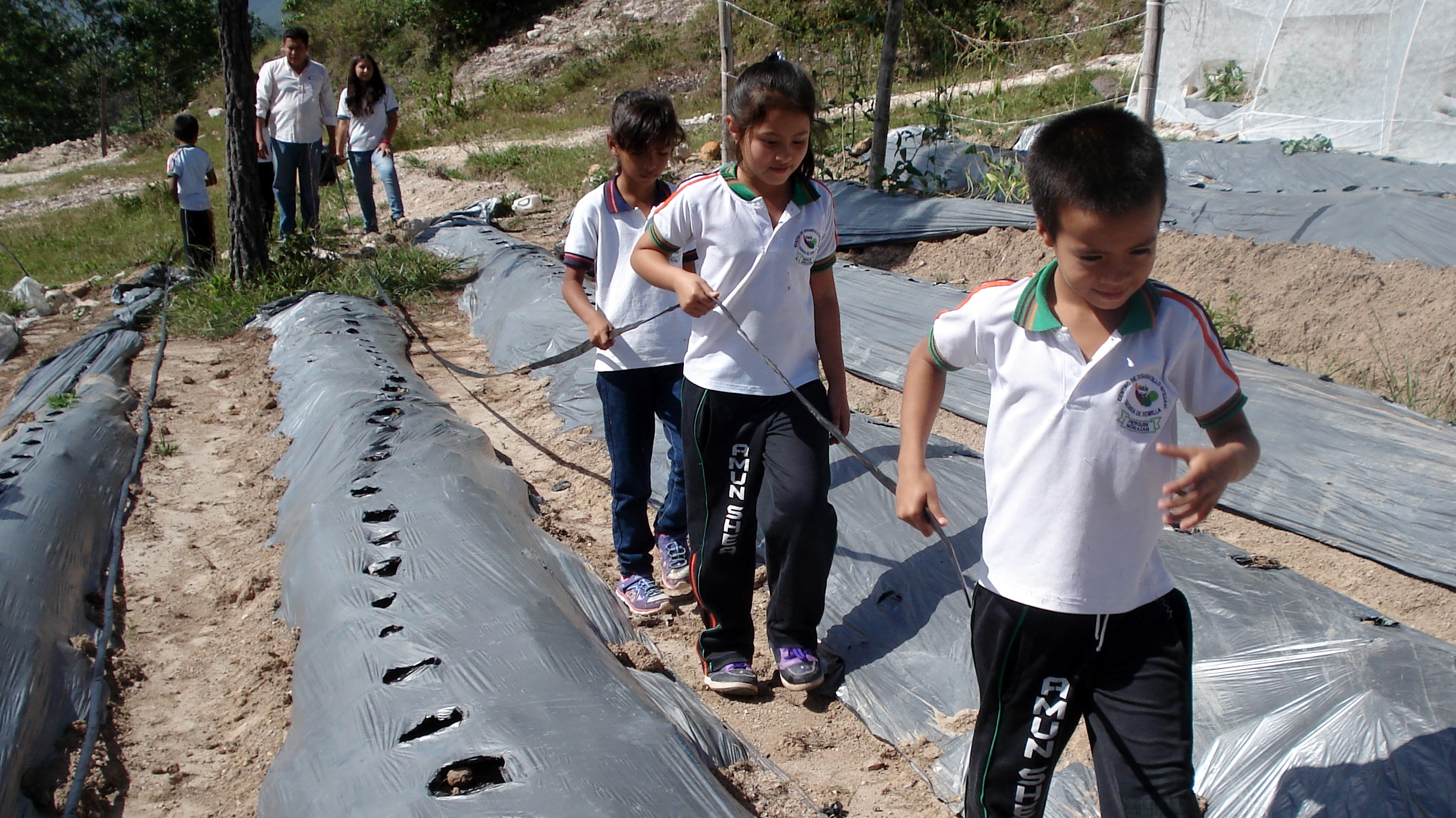
Amún Shéa, a school in the Morazán province of El Salvador, has accepted this mandate and has taken on the challenge of merging education and development. It is a unique but proven educational project, designed to combat the self-perpetuating underdevelopment that is endemic to the region. It is working to stop this repetitive cycle through human development which focuses on changing attitudes, building real-world skills and creating opportunity for realization of hopes, dreams and goals.

It is gratifying and provides hope to see endeavors similar to Amún Shéa developing quietly throughout the world. It makes the future brighter. Be a part of it!

Learning sans Barriers

EntrepreeursOur belief is that it is high time we level the playing field for young people no matter where they happen to live and that information technology is one of the primary tools to make that happen.

Our project is Amun Shea, Center for Integrated Development, in El Salvador, a Problem-Based Learning program with the objective of doing away with the barriers that entrap and perpetuate traditional cycles of poverty.

Our students have tossed the textbooks aside to work with real-world issues, learn “basic subjects” as only as tools for problem-solving and are overcoming “being poor.” Connecting ideas and sharing solutions with peers around the globe is breaking the ever-repeating dynamic of marginalization and isolation.

Amún Shéa is about Positive Attitude, Capacity Building and the Creation of Opportunity. Join with us in changing the world.

Dangerous Education

DSC_0074 (1280x719)

For some people all changes in our educational systems bring the inherent danger of loss of control. We love it when an alternative program results showcasing talent, or what we recognize as talent, in our children. We are willing to invest time, energy and resources into extracurricular activities and even the odd “unconventional” digression some teachers are permitted to employ.

But what happens when our children begin to think for themselves? Not the cute parroting of preconceived opinions, but creating their own world view. What happens when our children suddenly become more knowledgeable in some areas than we, those charged with their upbringing? At what point do we feel threatened by our children´s achievements, views and positions? “Nonsense,” you may say, “I would never feel that way about my child.”

But when superiority in a child starts to become apparent in emotional maturity, in life vision and belief systems, watch out. That is the real test of commitment to building an educational model that frees the human spirit rather than clipping wings. Now that is a dangerous education.

This is just one of the real-world challenges in building an educational model designed to change the status quo in Morazán. The area has been traditionally marginalized, suffered complete destruction of infrastructure and displacement of the civil population during the Civil War (1981-1992) and currently holds the dubious honor of maintaining both the highest poverty levels and the lowest academic achievement in all of El Salvador.

The socioeconomic conditions in Morazán create a fertile setting for implementing alternative solutions, as it is very clear to all that current programs are not making a dent in poverty indicators or academic standards. At the same time, this does establish a fairly low threshold in expectations and skills required to maintain status quo.

At Amún Shéa, we are seeing a process, starting about the fifth grade where our students begin to surpass teachers and parents in analysis, synthesis and establishing goals. By the eighth grade, the maturing process has entered the emotional turf, making for some very interesting and dramatic situations.

As we expand by one grade per year, we are looking forward to ninth through twelfth grades as a tremendous challenge and a fantastic opportunity to deal with this issue, not just in theory but in real life.

Amún Shéa, Center for Integrated Development is a project of Perkin Educational Opportunities Foundation, located in the northeast corner of El Salvador, in Central America.

Reality Check

javier bannerWe founded Amún Shéa, Center for Integrated Development as a correction to a programmed failure. The problem-based learning curriculum focuses on real-world and local developmental issues. And we started young, with a K through third grade program in 2008, expanding one grade per year. Our students do not study subjects; they study problems and create solutions. Math, Science and other subjects are used as tools in the application of solutions, consulted as needed to get the job done.

I assume a large dose of denial is present when a school system carries on as normal during a decade long civil war. Cumbersome bureaucracy and tradition perhaps explain carrying on with no real adjustment in direction while achievement bottoms out and competence only exists in test scores. The current teacher body was largely educated during the civil war, which obviously has an influence of importance.

The local public high school in Perquín turns out over 100 ill trained accountants and secretaries each year. In an area with practically no openings for these vocations, this only motivates migration out of the area in search of opportunity. At the same time, if one needs an electrician, a plumber, an agricultural engineer or technicians of any stripe or specialty, there are none to be found except in the larger cities.

Obstacles abound but progress is undeniable; we´re building a new model. Come along with us at Amún Shéa.