 Es muy fácil clavarnos en un debate sin fin sobre la educación, si no nos ubicamos primero referente al ángulo o punto de vista representado. La brecha entre la realidad, más bien entre las variadas realidades según circunstancias y ubicación, y lo ideal se duplica muchas veces en la discusión.
Como me dijo un amigo, Menno, hace ya unos veinticinco años atrás, “todo plan es perfecto sobre papel; el problema es que depende del hombre para implementarlo.” Coincido totalmente con Menno, en que todos los proyectos y reformas educativos son perfectos, hasta son ideales, pero hasta el momento de su aplicación. He aquí la razón del enfoque e importancia que da el PNUD y otras instancias sobre el desarrollo humano, ya que es el elemento que determina el éxito o fracaso operativo de todo plan.
Si aceptamos la realidad de una brecha entre el programa educativo nacional y su aplicación, y si evaluamos que, lejos de mejorar, tiene una tendencia marcada de espiral descendente, entonces el debate debería centrar en las medidas a tomar para revertir el proceso hacia lo positivo.
Tenemos que aceptar además que todo programa nacional es centro-céntrico, valga la redundancia, y que las condiciones del centro difieren mucho del periférico. Así “las medidas a tomar” en toda probabilidad son reflejo de cada realidad actual, aunque tengamos un ideal o norte en común para guiarnos.
La ley de desarrollo desigual nos indica que entre más atrasada, más posibilidad de un salto de calidad, ya que difícilmente se abandona inversión de infraestructura y procesos que están todavía funcionando aún a medias. Donde tal inversión no existe y no hay necesidad de deshacer para construir, la acción de cambio tiene mayor libertad y menos ataduras.
Propongo que el norte de Morazán se encuentra en una posición de ventaja para poder realizar cambios radicales y tomar las medidas de corrección necesarias en materia educativa, ya que se encuentra firmemente en el último lugar de rendimiento académico y el primer lugar en la pobreza de la nación. Continuidad solo garantiza continuidad.
La opción de esperar que las reformas nuevas y los directrices operacionales filtran del centro hacía la periferia no es viable. Así como está la situación, cada región o realidad tendrá que proponerse a realizar los cambios necesarios para sacudir al fondo la inercia de un sistema estancado.
Mas sin embargo, estando en el piso sin más salida que para arriba, fácilmente se puede caer en un nivel de activismo o maquearismo que aparenta mejora en el corto plazo pero que carece de bases fundamentales sobre lo cual se puede continuar construyendo. Eso es el gran reto actual; hacer los cambios necesarios, radicales incluso, sin despegar de los cimientos fundamentales de la educación. Pues, es fácil hacer olas en un charco pacho.
Previo al debate de fondo sobre la educación viene el estire y coge de quien o que instancia es la que puede determinar cuáles son los fundamentos intocables académicos. ¿Quién es el dueño del circo? …..y ¿por qué?
Algunas preguntas para la discusión:
1. ¿Es un docente con escalafón la mejor opción para las responsabilidades de director, o estos se resuelvan mejor otro profesional?
2. ¿Con un profesional no-docente como director, podría haber otro nivel de aplicación de las reformas educativas?
3. ¿Se obtiene conocimiento con teoría o es necesario aplicación? ¿y si es posible enseñar un conocimiento no aplicado?
4. ¿Es el docente la única vía y realmente insustituible en la obtención de la educación?
5. ¿Podríamos diversificar el “programa” educativo, creando opciones de vías de aprendizaje en concordancia con los intereses, capacidades y expectativas de los “clientes?” ¿No llevan todos los caminos a Roma?
6. ¿Cómo se organice un programa “nacional” que no es marcado por centro y periférica?
7. ¿Cuál es el producto que buscamos con la educación, el tigre o el perico?
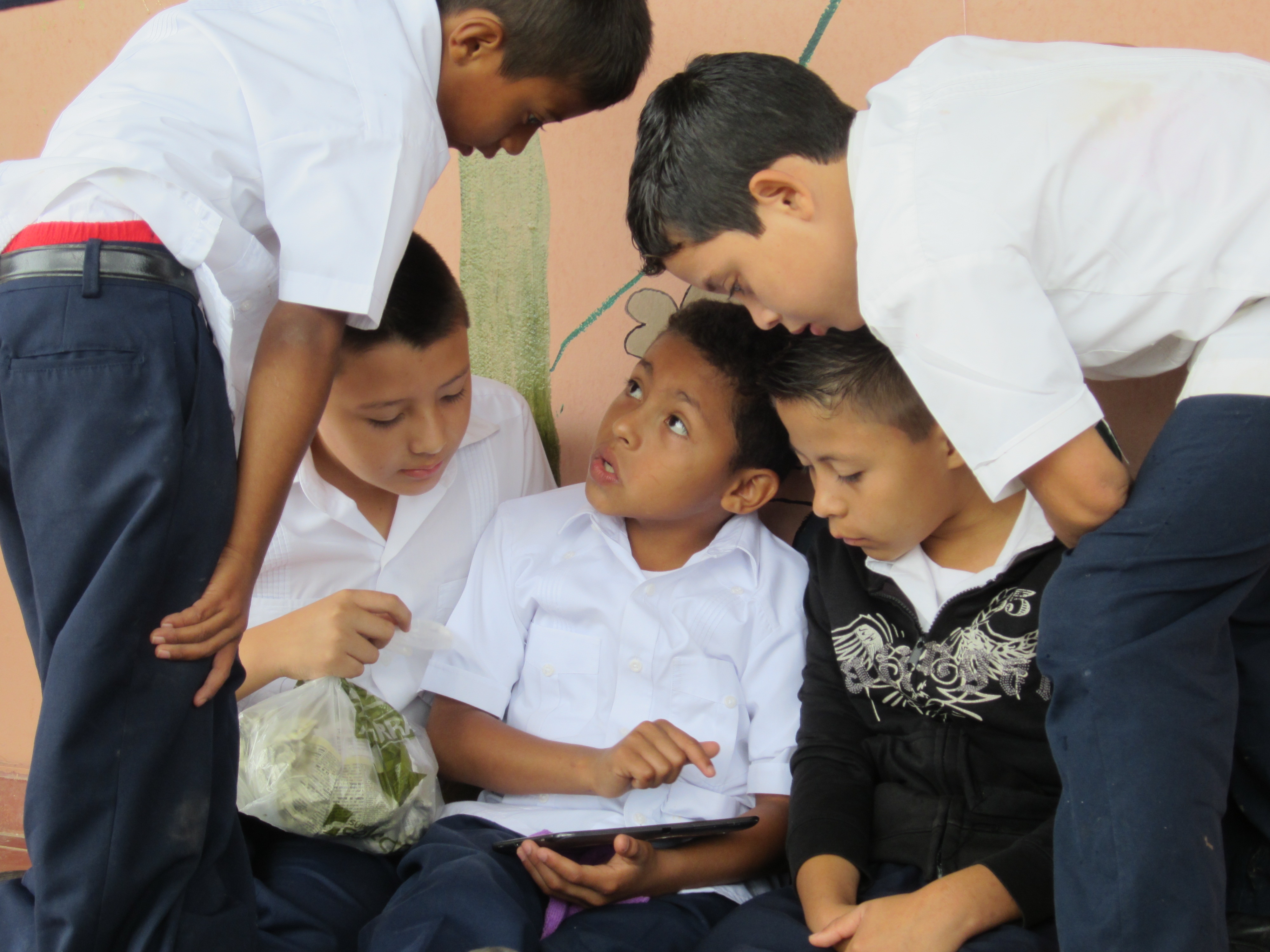
 We founded Amún Shéa, Center for Integrated Development as a correction to a programmed failure. The problem-based learning curriculum focuses on real-world and local developmental issues. And we started young, with a K through third grade program in 2008, expanding one grade per year. Our students do not study subjects; they study problems and create solutions. Math, Science and other subjects are used as tools in the application of solutions, consulted as needed to get the job done.
 21st Century Introspective