Fundamental changes are currently taking place in this brief and eternal moment we share as reality. The idea that we can actually take some type of action and “get things back to normal” brings to mind that oft repeated adage “There are none so blind as those who will not see.” There is no “going back!” We can only move forward.
Although we glowingly refer to our children as the future, we have largely surrendered their training for life to an outdated archaic educational system which does little more than remove them from our presence during part of the day. Indeed, that day often provides little in the way of substantive education. The little formation that does take place does not prepare them for the real world. An argument could actually be made that we are training them for unemployment. Yes, there are exceptions to this, but unfortunately they are exactly that; exceptions!
Globalization is a very interesting phenomenon, and one which has brought about a most profound change to humanity. Initiated primarily to leverage corporate advantage, it has morphed into the social field as well. Perhaps it is this corporate global takeover that has so homogenized our social and economic woes throughout the world? However an obvious advantage of globalization is that we are also now equipped to share experiences and build common solutions.
Our globally shared obstacles, to the happy and prosperous existence some once considered an inherent right, include:
- An ever deepening chasm between the populace and government as national laws respond to faceless “international agreements” and corporate interests, as opposed to the “will of the people”.
- A diminishing of “stable job markets,” resulting from outsourcing, hiring practices designed to reduce the burden of long-term financial commitment, a general reduction in available positions and unfunded government mandates.
- An unstable and abused natural environment, becoming much less friendly and bountiful in providing our basic needs, including air, water and food production.
Any political stance on these points is pointless and only distracts from the task at hand of forming our children for the new normal. The new normal calls for greater self-reliance, initiative and adaptability. It calls for greater cooperation at grassroots level and less dependency on bureaucratic systems. It calls for the construction of local alternatives and solutions. It calls for an educational system with a purpose, willing and able to adapt to local needs and, above all, willing to teach and learn new things.
We must start training our children to be productive and successful in a world where traditional employment becomes increasingly scarce. Their substance and happiness must be of their own making, as a result of cooperation and must not depend on external sources. Our task is to strive to understand the nature of current changes and to build pro-active strategies and responding flexibility into the programs and systems that prepare our children for their own changes.
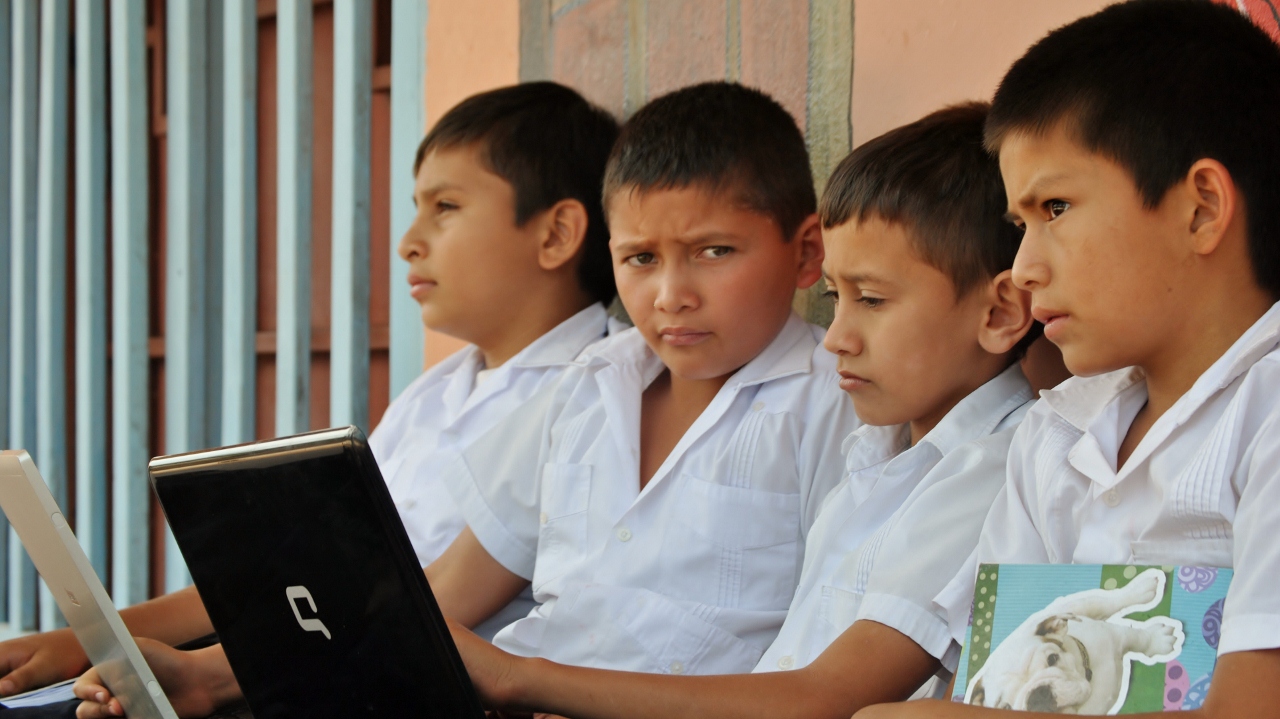
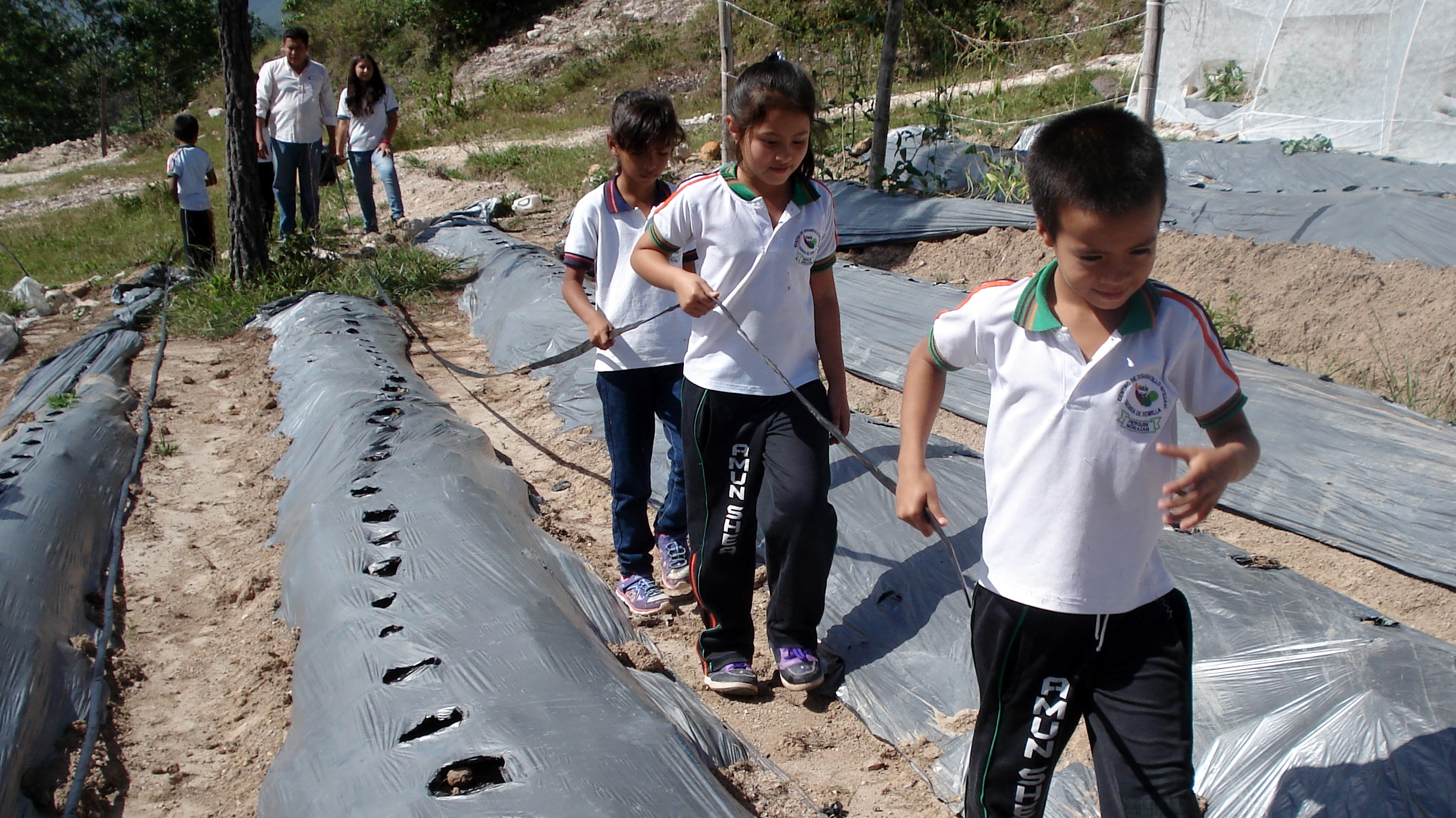
 We founded Amún Shéa, Center for Integrated Development as a correction to a programmed failure. The problem-based learning curriculum focuses on real-world and local developmental issues. And we started young, with a K through third grade program in 2008, expanding one grade per year. Our students do not study subjects; they study problems and create solutions. Math, Science and other subjects are used as tools in the application of solutions, consulted as needed to get the job done.
 21st Century Introspective