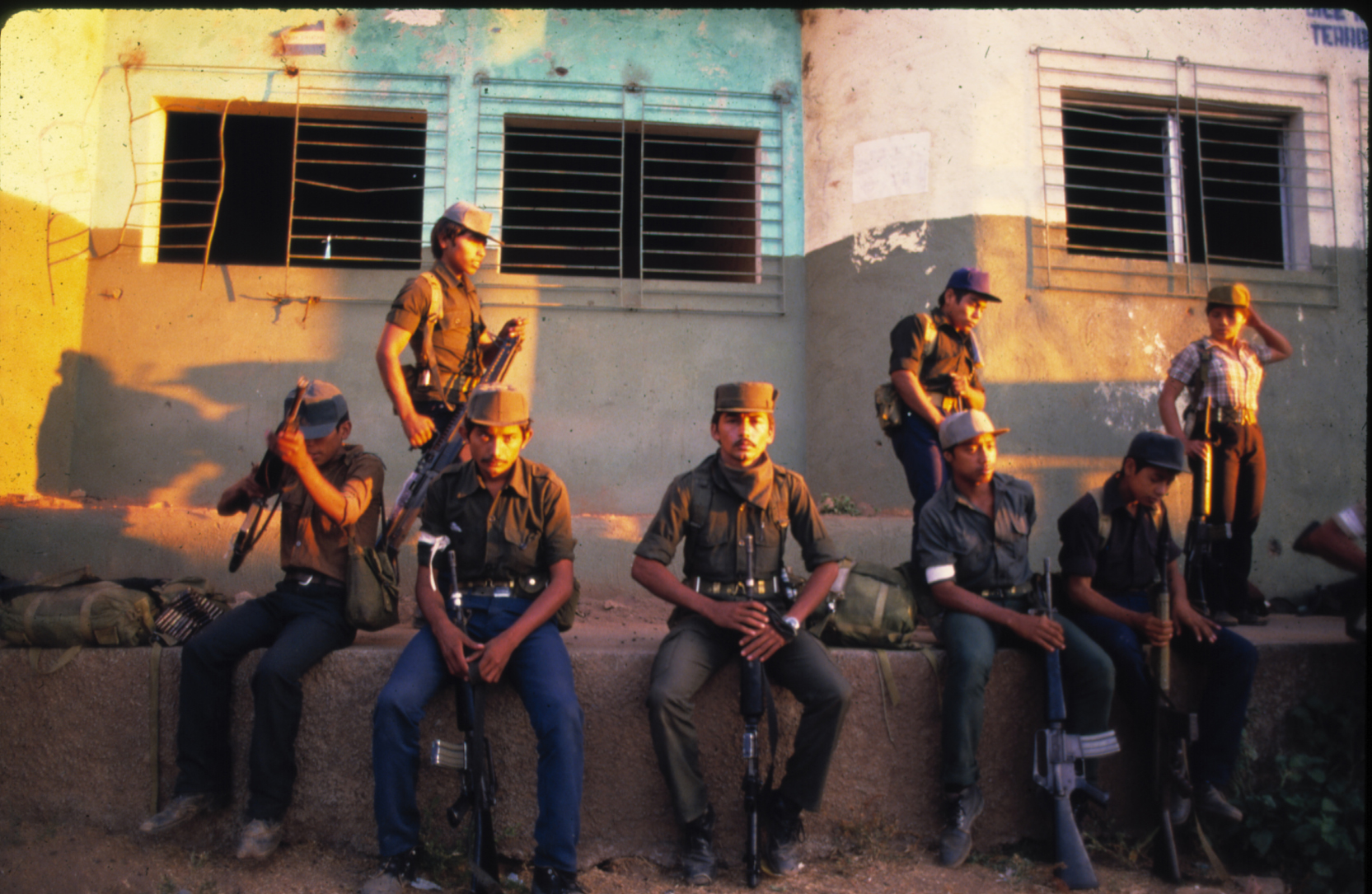
Tell me who did what and I’ll tell you if they’re a hero or a traitor. Don’t muddy the waters with details, they only get in the way.
Polarity rules, over all. I need to know which side you are on, as Our intentions are divine; their results are demonic.
In this struggle, Our warriors are the honorable ones in this righteous war; devious actions by a few are the exception and do not represent our cause. We are beyond reproach.
In this struggle, Any sadistic behavior by an enemy defines their official position. The exception is the rule and they are far beyond redemption.
So, please remind me which flag you are waving, because I need to condemn or condone that glee on your blood splattered face and blood-lust in your eyes as you dispatched that traitorous, … young frightened boy.
I want to believe the sincerity in your shy smile and schoolmarm demeanor. I really do.
Long forgotten, unmarked graves that will never be uncovered nor remembered. Examples have to be made, after all it is war…
And polarity rules, over all. Do we continue this madness? Or do we begin to transcend and reconcile polarity?
“Everything is Dual; everything has poles; everything has its pair of opposites; like and unlike are the same; opposites are identical in nature, but different in degree; extremes meet; all truths are but half-truths; all paradoxes may be reconciled.” – The Kybalion
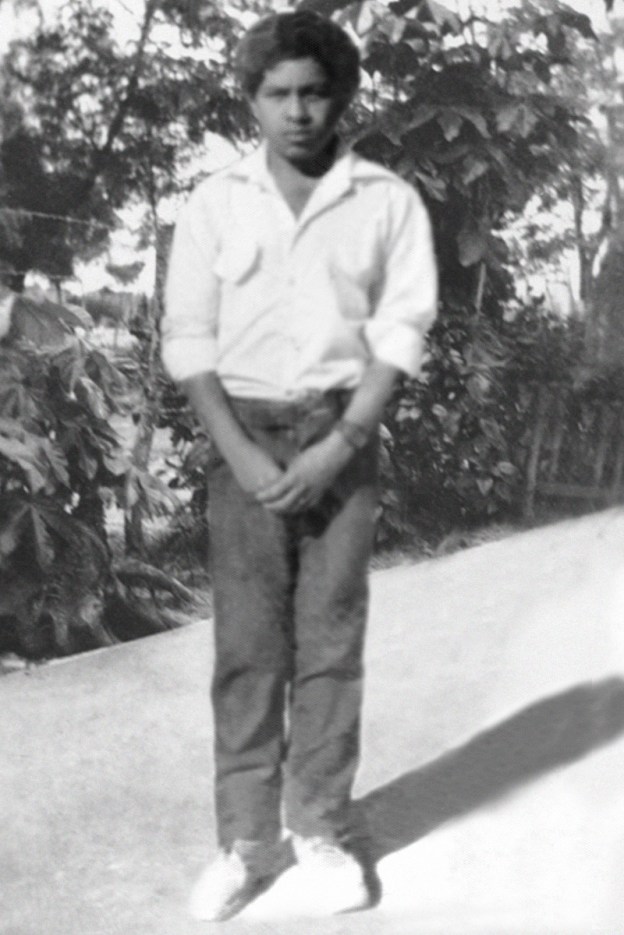
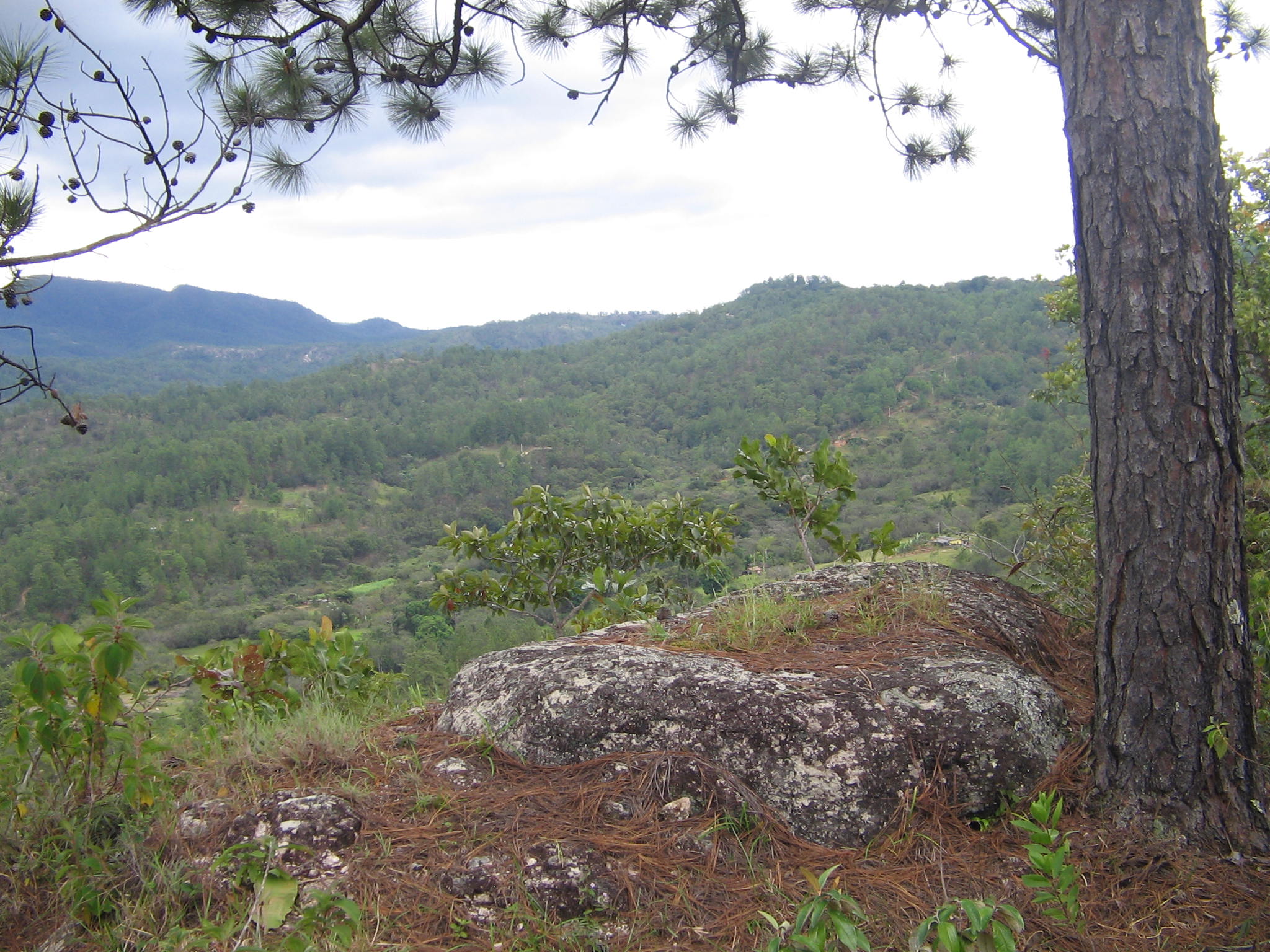
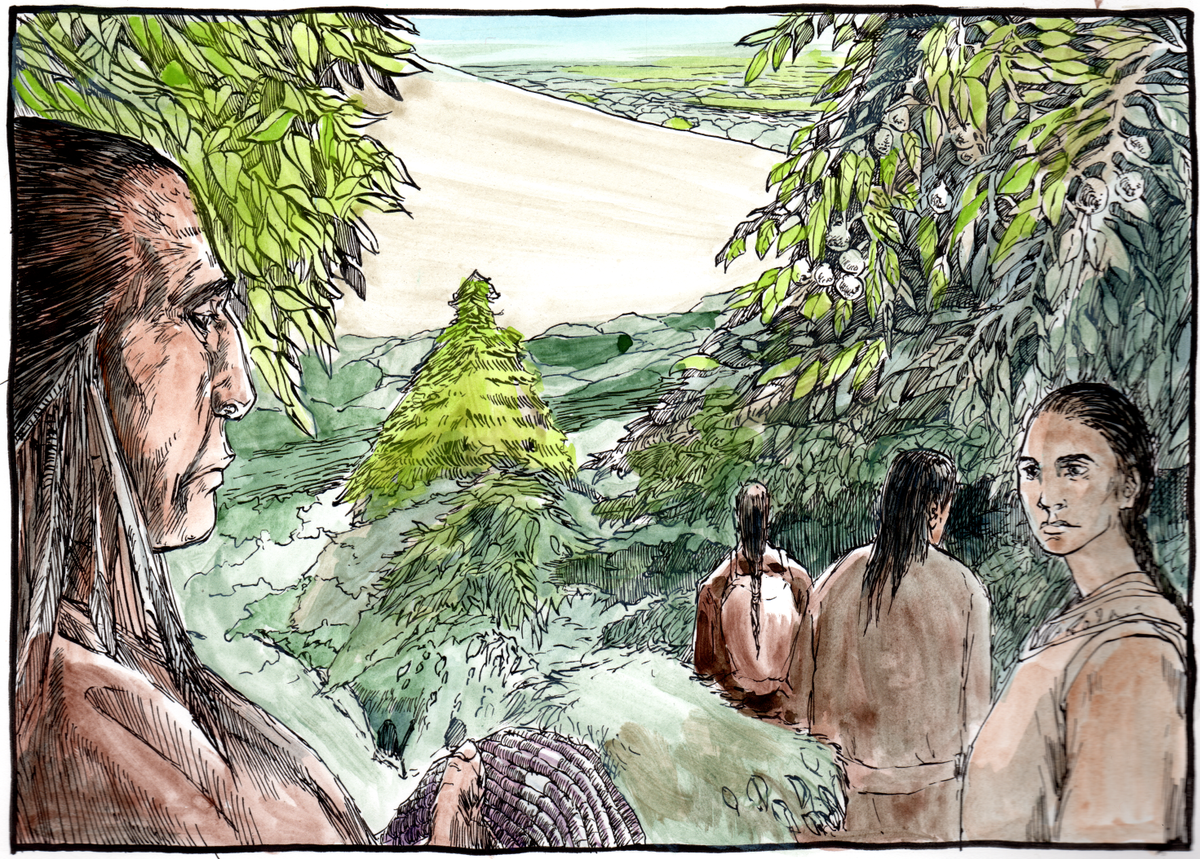
Nelo sat on a rock overlooking the small valley spread out some eight hundred feet below a sheer drop. His ration of two tortillas and a smattering of beans wasn’t nearly enough for what his growing fifteen year old body demanded. Using one tortilla as a plate, Nelo deftly torn bits off the other and scooped up some of the beans, trying to make them last to the last bite. He chewed slowly, taking in a dab of salt from a moistened fingertip between bites of the tough day-old tortillas. It was frustrating, being stuck here for so long. By now he should have arrived at his post in the Front, as a maintenance technician for Radio Venceremos, the guerrilla radio station that kept everyone, friend and foe alike, up to date on the Salvadoran Civil War.
The guide of the group of new recruits seemed a little too unsure of himself; this was the third day of waiting in the same spot for word from someone with instructions on the route to take to join up with the assigned units. Even the civilian couple who lived about a mile up the road had been warning the guide that soldiers were closing in and they best get moving.
Nelo´s future lay in the hills stretching out before him. Home, which his family had been forced to flee at the beginning of the war, was not far away, nestled between those hills close to a town called Jocoaitique. Vague memories came back, of his grandfather´s cows and a dangerous bluff he was always warned of and told to keep his little brother Balmore from getting too close to the edge. Nelo was six years old when the family fled to Honduras; Balmore took sick and died just as they were preparing to leave.. Now Nelo was coming back as a man, ready to take his place in the revolutionary forces. The courses on Imperialism and Socialism and Justice and Oppression and Revolution back in the camps were okay, they gave a sense of purpose and of belonging. But the training as a radio technician became Nelo´s real passion. His quick mind and nimble fingers quickly absorbed the details and mechanics and created sense of pride in him of being able to offer a valuable contribution. It was a foregone conclusion that he would go to the Front someday. His father Milton, his grandfather, his uncle Tano and aunts were all enlisted. Even his mother Timo had done several periods as a missionary behind the lines. Uncle Tano had died in combat several years before and Nelo´s doubt could only be expressed to his younger sister. Several days before leaving the camps, he asked the six-year old, “Ena, do you think I should go the Front?” “I´m too small for that size of a decision, you’ve got to make up your own mind”, was the reply, the first person to put the responsibility back on his shoulders and the only one that did not assume that of course he would go.
Nelo´s thoughts drifted Demy, such a sweet girl, left behind in Las Vegas. Only a four-hour walk away across a few hills. So close, yet a world away. The Honduran border with its constant military patrols, which tightened even more around the Colomoncagua refugee camp, was not to be taken lightly. The soldiers had orders to shoot to kill and they had carried out those orders quite efficiently before. Nelo brought his knuckle up and briefly touched the still-smarting scratch on his right cheekbone. Demy had gone straight for his face the night before he left, those loving hands turned into vengeful claws. “I hope you die over there”, she managed to scream through her sobs. Not a favorable sendoff. The goodbyes to Carmen, Miriam and Canda had been more amicable, worthy of a departing warrior. They understood that he had to take his place as a man in the war and so they gave of their bodies and comfort so freely and unconditionally. It was the thought of Demy though that brought rueful regret, “Why doesn’t she understand, why isn’t she proud of me?” “Que Diós y la Virgin me aparta, may God and the Virgin pull me aside” he muttered, remembering Delmy´s parting curse, as he quickly crossed himself and kissed the black string crucifix around his neck.
Shaking off the remorse, Nelo brushed his hands off on his pants and dug into his pack for the macaroni bread his mother had sent along. The refugee camp had received a donation of a container full of macaroni from Italy. Apparently, in Italy all they eat is macaroni, at least that’s what the Internationalists working in the camp said. The camp kitchens, responsible for the food preparation for the some eight thousand refugees, had tried all sorts of ways to fix the macaroni to the liking of the Salvadorans. All to no avail, until someone discovered that they could be ground back into floor for bread baking. The Internationalists working in the camps had discovered another way to make the macaroni edible; they deep fat fried them and sprinkled salt on top and called them beer nuts.

In spite of being baked dry and hard, the bread was starting to go stale. Nelo contemplated going ahead and eating the parcel his mother had sent along to his aunt María. “If we don´t make it into the Front by tomorrow, I´ll dig into it” he thought, “no sense in letting it go bad”.
A shrill whirling sound shattered Nelo´s contemplation. He swiveled his head back over his right shoulder just as a blinding flash stunned his senses. A slight stinging in the mark left by Demy, the trees and rocks blending together in a drunken swirl, and Nelo felt himself spinning into a misty abyss of uncanny silence.
As the mist cleared and the sounds of battle were faintly regained, Nelo found himself some twelve feet off the ground. He could see the rest of the group scrambling through the pine trees and skidding pell-mell down the bluff overlooking the valley. The explosions from the grenades were oddly muted as they rained down on the camp site, as well as the gunfire from the advancing soldiers. Glancing down, he noticed the crumbled unmoving body of a young guerrilla. “Poor compa, he must have been hit at the beginning of the attack, never had the chance to run.” Slow realization came to Nelo as he recognized the curly head of hair, the yellow boots he had stained brown and the morsel of macaroni bread half-clutched in the bleeding hand. “Wake up, Wake up”, he screamed soundlessly at the body lying below, “Wake up, Wake up, he repeated to himself, trying to will himself out of the nightmare. The sounds of battle faded off into the distance, and with it most of the anxiety. Numbness slowly set in, as faces and memories floated in and faded out of the surrounding mist.
Feeling a presence approaching, Nelo turned to see his younger brother Balmore, excitedly pulling along his Uncle Tano through the mist, “I told you he was coming”, and turning to Nelo, “So good to see you, brother. You’re going to like it here on this side.”
– From what I’ve been able to piece together-
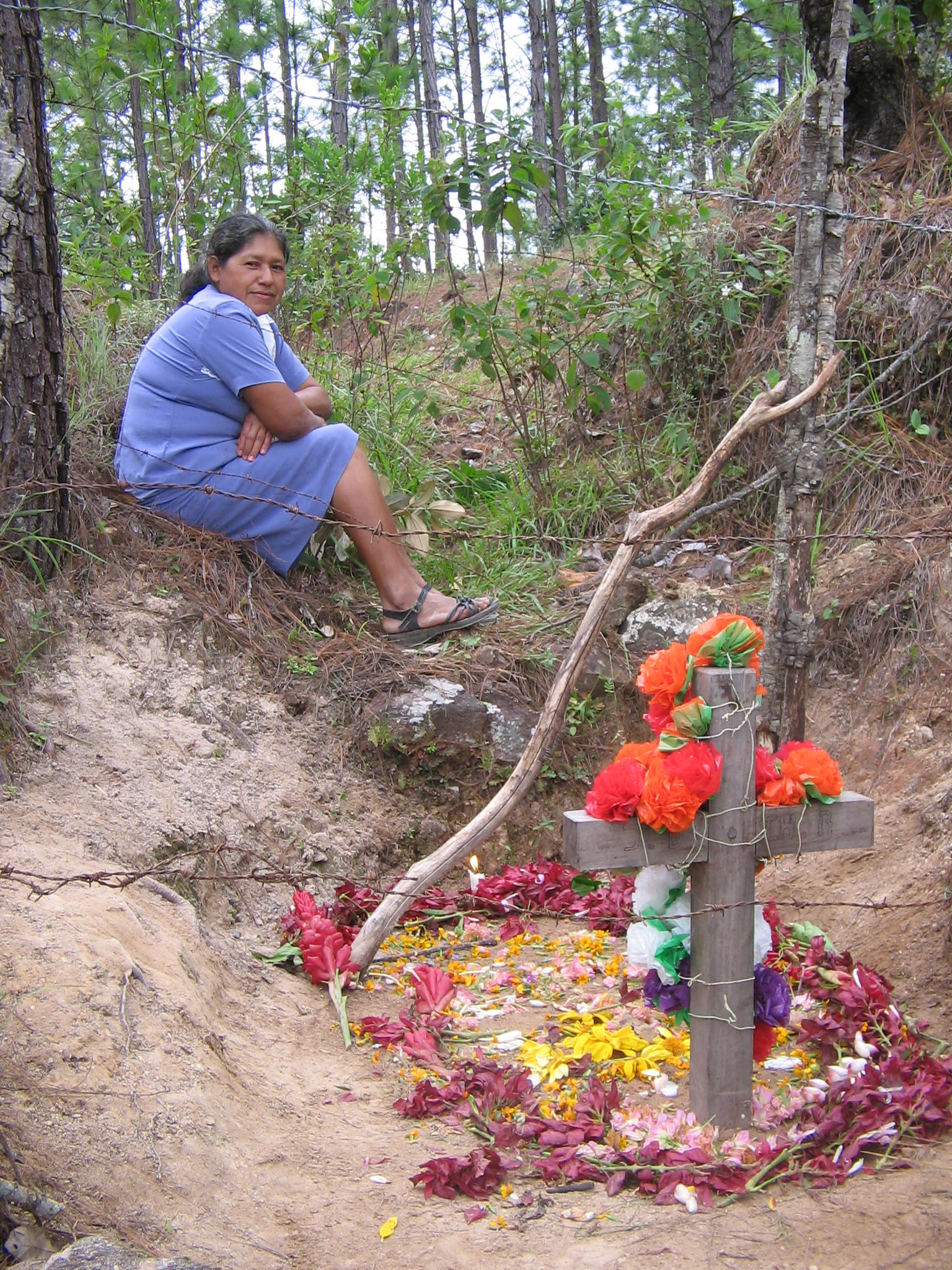
Nelo’s body was found here by the locals and buried in a nearby ravine.Nelo’s mother flowering his graveside.
Nelo se sentó sobre una roca mirando el pequeño valle que se extendía unos ochocientos pies abajo de un barranco. Su ración de dos tortillas y un puchito de frijoles no eran suficientes para lo que su cuerpo de quince años necesitaba. Usando una tortilla como plato, Nelo hábilmente partió la otra y recogió unos frijoles, intentando que le duraran hasta el último bocado. Masticaba despacio, saboreando un toquecito de sal de un dedo humedecido entre mordidas de las duras tortillas del día anterior. Era frustrante estar aquí tanto tiempo. Para este entonces ya debería haber llegado a su puesto en el Frente, como técnico de mantenimiento de Radio Venceremos, la emisora guerrillera que mantenía a todos, amigos y enemigos, al tanto de la Guerra Civil Salvadoreña.
El guía del grupo de nuevos reclutas parecía un poco inseguro; ya era el tercer día esperando en el mismo lugar por noticias de alguien con instrucciones sobre la ruta a seguir para unirse a las unidades asignadas. Hasta la pareja de civiles que vivía a un kilómetro del camino había estado advirtiendo al guía que los soldados se estaban acercando y que debían moverse.
El futuro de Nelo se encontraba en las colinas que se extendían frente a él. Su hogar, del que su familia había tenido que huir al inicio de la guerra, no estaba lejos, escondido entre esas colinas cerca de un pueblo llamado Jocoaitique. Regresaban vagos recuerdos, de las vacas de su abuelo y de un acantilado peligroso del que siempre le advertían y le decían que mantuviera a su hermano menor Balmore alejado del borde. Nelo tenía seis años cuando la familia huyó a Honduras; Balmore se enfermó de repente y murió justo cuando se preparaban para irse. Ahora Nelo regresaba como un hombre, listo para ocupar su lugar en las fuerzas revolucionarias. Los cursos sobre Imperialismo, Socialismo, Justicia, Opresión y Revolución en los campamentos estaban bien, le daban un sentido de propósito y pertenencia. Pero la formación como técnico de radio se volvió la verdadera pasión de Nelo. Su mente ágil y dedos rápidos absorbieron al instante los detalles mecánicas, lo que le dio un orgullo inmenso por poder ofrecer una contribución valiosa. Era un hecho que algún día iría al frente. Su papá Milton, su abuelo, su tío Tano y sus tías estaban enlistados. Hasta su mamá Timo había hecho varias veces de misionera en el retroguardia. El tío Tano había muerto en combate años atrás y las dudas de Nelo solo las podía compartir con su hermana menor. Pocos días antes de dejar el campamento, le preguntó a la pequeña de seis años: “Ena, ¿crees que debo ir al frente?” “Yo soy muy chiquita para decidir eso, tú tienes que tomar tu propia decisión”, fue la respuesta, la primera en ponerle la carga de nuevo sobre los hombros y la única que no asumió que por supuesto iría.
Los pensamientos de Nelo vagaban hacia Demy, esa muchacha tan dulce, dejada atrás en Las Vegas. Solo a cuatro horas de caminata por unos cerros. Tan cerca, pero a la vez tan lejos. La frontera con Honduras, con sus patrullas militares constantes, que se intensificaban alrededor del campamento de refugiados de Colomoncagua, no se podía tomar a la ligera. Los soldados tenían órdenes de disparar y las habían cumplido con eficacia en varios ocasiones. Nelo llevó su nudillo a rozar la herida, aún ardiente, en su pómulo derecho. Demy había ido directo a su cara la noche antes de que partiera, esas manos cariñosas se habían convertido en garras vengativas. “Espero que mueras allá”, logró gritar entre sollozos. No fue un despedida amable. Las despedidas con Carmen, Miriam y Canda fueron más acogedores, dignos de un guerrero saliendo para el frente. Ellas entendieron que él tenía que ocupar su lugar como hombre en la guerra y le dieron su cuerpos y consuelo sin reservas. Pero fue el pensamiento de Demy el que le trajo un doloroso arrepentimiento: “¿Por qué no entiende, por qué no está orgullosa de mí?” “Que Dios y la Virgen me aparten,” murmuró, recordando la maldición de despedida de Delmy, mientras se hacía la señal de la cruz y besaba el crucifijo de hilo negro que llevaba al cuello.
Sacudiendo el remordimiento, Nelo se limpiaba las manos en los pantalones y buscaba en su mochila el pan de macarrones que su madre le había empacado. En el campamento de refugiados había llegado una donación de un contenedor lleno de macarrones de Italia. Al parecer, en Italia solo comen macarrones, así decían los Internacionalistas que trabajan en el campamento. Las cocinas del campamento, encargadas de preparar la comida para unos ocho mil refugiados, habían probado mil y un formas de preparar los macarrones al gusto de los salvadoreños. Todo fue en vano, hasta que alguien dio con la idea de molerlos para hacer harina para pan. Los Internacionalistas en los campamentos también inventaron otra forma de hacer los macarrones comestibles; los freían en aceite, les ponían sal y los decían nueces para la cerveza. A pesar de que el pan estaba duro y seco, ya se estaba poniendo viejo. Nelo pensó en comerse el paquete que su madre había mandado a su tía María. “Si no llegamos al Frente para mañana, me lo voy a comer,” pensó, “no hay sentido en dejar que se eche a perder.”
Un chillido ensordecedor rompió la contemplación de Nelo. Rápido, giró su cabeza hacia el hombro derecho justo cuando un destello deslumbrante aturdió sus sentidos. Un leve quemazón en la marca que le dejó Demy, los árboles y las rocas se mezclaban en un torbellino borroso, y Nelo sintió que caía en un abismo nebuloso de un silencio extraño.
Al despejarse la neblina y los ruidos de la batalla volviendo de a poco, Nelo se dio cuenta que estaba a unos tres metros del suelo. Vio al grupo de compas corriendo en guinda entre los pinos, deslizándose en desbandada por el alto barranco que daba al valle. Las explosiones de las granadas sonaban raras, como apagadas, al caer sobre el campamento, igual que el tiroteo de los soldados que avanzaban. Mirando hacia abajo, notó el cuerpo inmóvil de un joven guerrillero. “Pobre compa, seguro lo agarraron al inicio del ataque, nunca tuvo chance de escapar.” La realidad le fue llegando lentamente mientras reconocía la cabellera rizada, las botas amarillas que él había manchado de marrón y el pedazo de pan de macarrones medio aferrado a la mano ensangrentada. “Despierta, despierta”, gritó en silencio hacia el cuerpo abajo, “Despierta, despierta”, se repitió tratando de salir de esa pesadilla. Los ruidos de la batalla se desvanecieron a lo lejos, llevándose la mayor parte de la ansiedad. El adormecimiento lo envolvía, mientras rostros y recuerdos flotaban en la bruma que lo rodeaba.
Sintiendo una presencia, Nelo se giró y vio a su hermano menor Balmore, emocionado, jalandole a su tío Tano por la neblina, “Te dije que venía”, y luego mirando a Nelo, “Qué chivo verte, hermano. Te va a encantar este lado.”
-De lo que he podido recopilar-
Los vecinos encontraron el cuerpo de Nelo en este roca y lo enteraron en una quebradita a la par.La mama de Nelo enflorando su tumba soltetaria.
I do a little woodwork out in the shop. It has a two fold purpose. One: the enjoyment I have creating with my hands what existed only as an idea beforehand, and two: as a necessary income supplement. Man does not live by venison and sweet potatoes alone.
An old radio provides the background music while I work. Normally, I have “contemporary adult” of rock and roll from the 70s and 80s on, and sometime a little country. It is a digital radio and the dust from the shop has filtered in, making it difficult for the controls to operate as normal. None of the buttons do what they are supposed to do making it difficult to find my music. One easy find is the local PBS classical music, which I had never really listened to before; my Rock and Roll is much harder to find.
Over time, I’ve noticed a rather odd phenomenon. It began rather unconsciously, without any thought on my part. Now it’s become part of my ordinary routine.
When working on a new creative project, I leave the radio off; it seems to be too much distraction. Once a new project is created, classical music is the key for a calm detailed production process.
But for pure production, turning out bulk, ten to twenty items at a time, without much thought, there’s nothing like Bachman Turner Overdrive. It’s well worth the extra time it takes to tune in that station.
We hear alot about how we’ve been programmed since birth to make us useful and obedient to the Powers that Were (formally known as the Powers that Be). I fully agree with that assessment and now believe that much of that was done through the music we grew up listening to. Who knows what all was piggy-backed onto those tunes, but we’ve all felt that emotional jolt when an oldie we grew up with comes on the radio, taking us straight back to those days.
I am searching for ways to deprogram myself and liberate my mind from automatic responses to external prompts. Silence looks to be a key to breaking out, perhaps along with new and untried experiences. But meanwhile I’m using it to get a little production out of myself when needed.
heavy while down and weightless while up, breeze running through the hair.
The pendulum swinging side to side, when pulled in one direction always reaches it’s polar opposite.
The Law of Duality is inescapable in this our current state of being. Two sides of the coin. Yin and Yang; polarity of Life.
And were the sun and the moon to begin a dispute on which should rule, and call on us to join one and shun the other? If one were to overthrow the other? Our corn and our beans would cease to grow. Their dance together through the heavens harmonizes life, indeed creating the most beauty when sharing the sky at dusk and dawn.
The spectrum of political ideology runs from the extremes of Idealism without Practical use to Pragmatism without Ideals. And when the pendulum swings, does it ever swing!
We all had that one swing set in our childhood that you could leverage the swing so high that the chain slackened and you lost control, falling back toward the ground. Yea, you tempered your swinging after that, right?
El 21 de enero de este año se celebraron quinientos años del Anabaptismo, el movimiento que dio vida a las comunidades religiosas Amish, Menonita, Hutterita y los Bretheran, ¡así que merecen felicidades por eso!
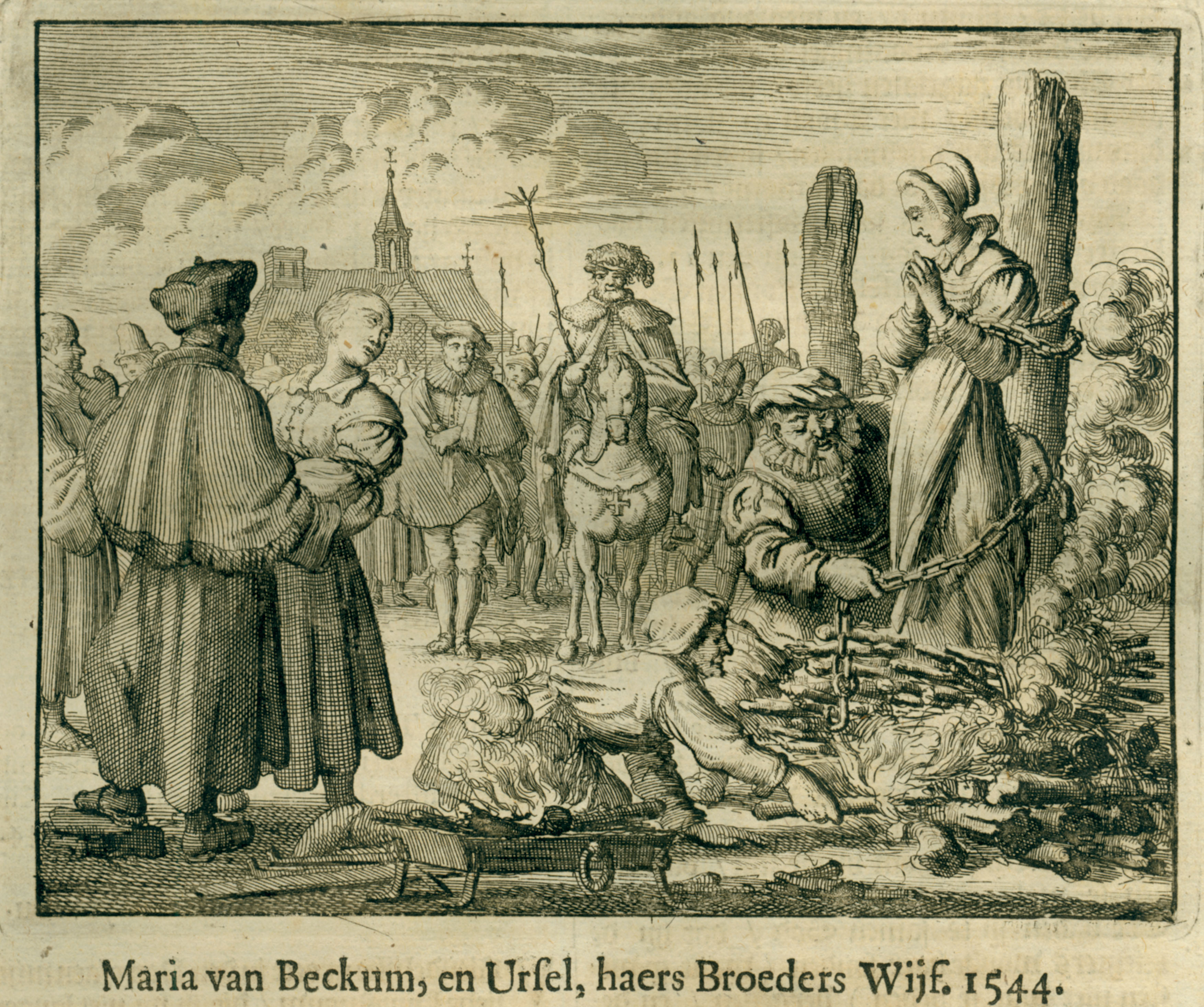
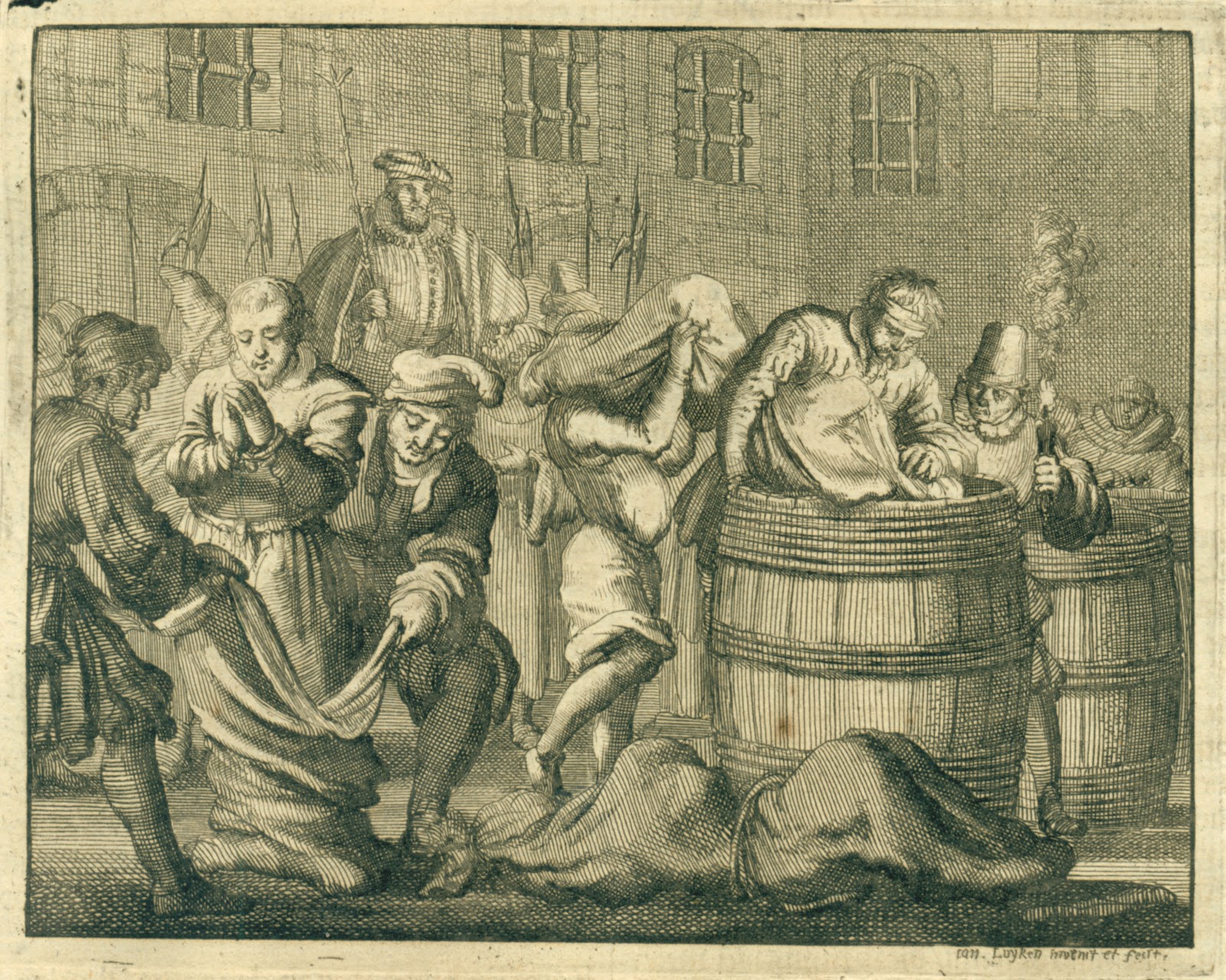
En resumida cuenta, los anabaptistas rechazaron el bautismo infantil de la Iglesia Católica como inválido, insistiendo que este sacramento solo debería ser recibido por quien esté consciente de su profundo significado espiritual. Mientras esta postura fue la que les valió el nombre de “anabaptistas”, su doctrina también rechazó la autoridad del Papa y planteaba que cada quien entendiera e interpretara la Biblia por su cuenta. Esto se los llevó a sufrir persecuciones religiosas y muertes lamentables; muchos ahogados, otros quemados en la hoguera o rompidos en la rueda, entre otros métodos brutales de tortura de la Inquisición. Desde 1527 hasta 1711, se estima que entre cuatro y cinco mil anabaptistas fueron ejecutados por su fe. Muchos están documentados en el “Martyrs Mirror” o “El Teatro Sangriento”, que se publicó primero en Holanda en 1660 en neerlandés por Thieleman J. van Braght.
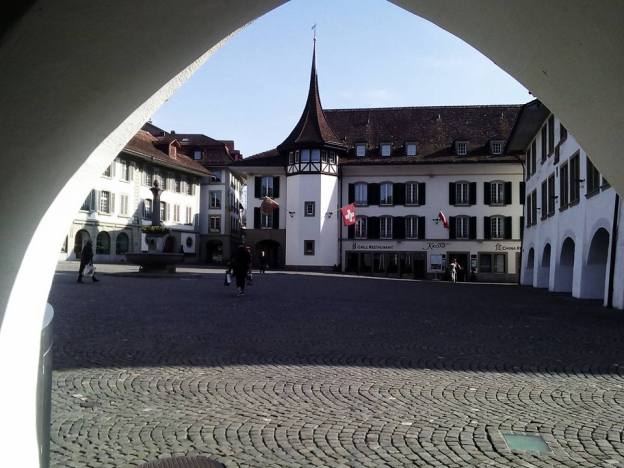
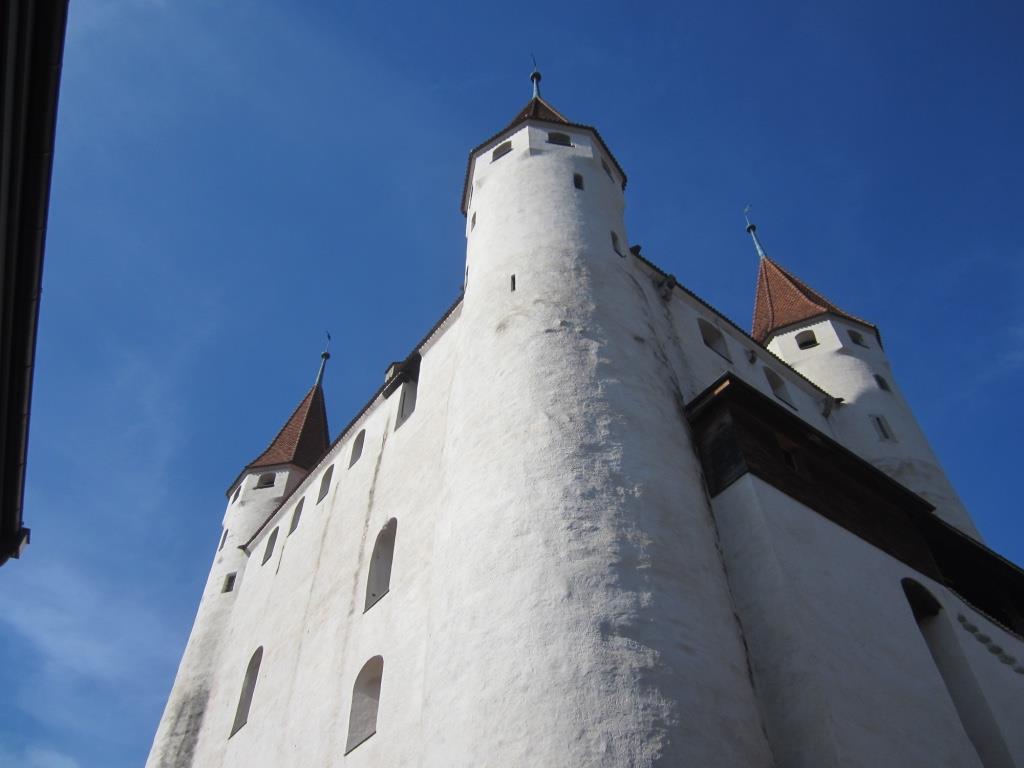
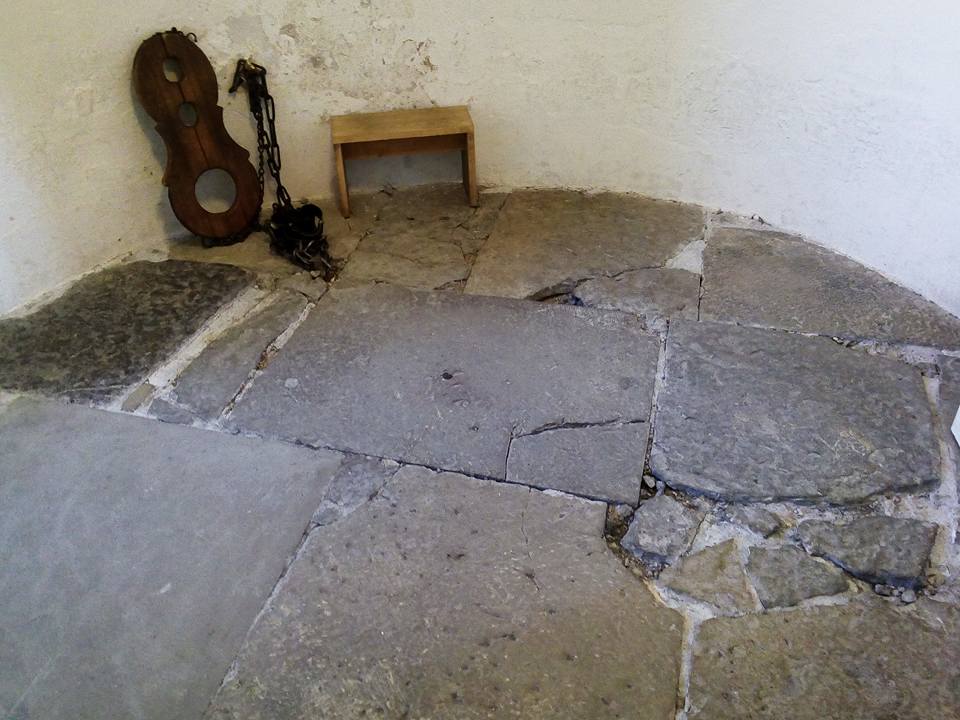
Mi sexto tatarabuelo, Melchior Bronimann II “el exiliado”, nacido alrededor de 1631 en Oberdiessbach, Bern, Suiza, tejedor, se unió al este movimiento anabaptista, específicamente en la secta menonita. En 1659, a sus 28 años, lo encarcelaron durante un año en el Castillo de Thun, antes de exiliarlo, junto a su esposa y siete hijos, al campamento de refugiados anabaptistas suisas en Griesheim, Alemania. Ahora hay dos celdas en la torre del Castillo de Thun que están abiertas a los turistas; hace varios años visité esa área, me senté en una de las celdas un rato y me puse a pensar si yo habría tomado la misma decisión, a esa edad y con una esposa y una familia creciendo. Es natural sentir cierto orgullo por mis raíces familiares, hasta un toquecito de orgullo santurrón. “Nosotros” nos enfrentamos a una alianza malvada de iglesia y estado y nos mantuvimos fieles a “nuestra fe.”
Castillo de ThunCelda en el Torre
Pero entonces, el verso de quinientos años me sonaba. ¿Dónde lo había oído antes? ¿Acaso “nosotros” no éramos lo único que pasaba por eso? ¿Qué más sucedía hace quinientos años? Pues resulta que había un montón de cambios fuertes ocurriendo en el mundo que hay que considerar para poner en contexto el capítulo de los anabaptistas. Una pregunta que va de la mano es la de causa y efecto; cómo los movimientos individuales impactan o son impactados por eventos que cambian el mundo. Todos queremos ser la mariposa en el Efecto Mariposa, ¿verdad?
En general, el período que nos interesa, de alrededor de 1500 a 1711, marcó el final de la Edad Media (también conocida como la edad oscura) y dio paso a la iluminación del Renacimiento. Durante este tiempo, figuras como Leonardo da Vinci, Miguel Ángel, William Shakespeare, Descartes, Galileo y Copérnico moldearon nuestros conceptos modernos de arte, arquitectura y ciencia; formando, en esencia, toda la identidad cultural occidental actual.
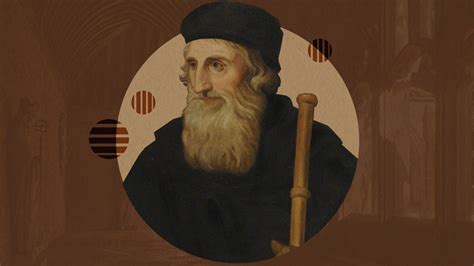
Mucho antes de que Martín Lutero clavara sus 95 Tesis en la puerta de la iglesia, un teólogo inglés y disidente temprano de la Iglesia Católica, John Wycliffe (1328-1384) acuñó la frase “sacerdocio de todos los creyentes”, que más tarde se convertiría en la base de toda la teología anabaptista. La Biblia traducida para el hombre común, la igualdad de todos los creyentes y el derecho (y obligación) de cada uno de interpretar la Biblia por sí mismo son centrales a este concepto. Recuerdo que en mis años de adolescente, hubo una discusión en nuestra iglesia sobre si el púlpito del pastor debería estar en un nivel elevado o no. Subir el púlpito podría dar la impresión de superioridad, mientras que dejarlo a nivel del suelo significaba que no era mejor que los demás, aunque era más difícil ver y escuchar el sermón. Al final, ganó el argumento práctico y elevaron el púlpito, para disgusto de los tradicionalistas.
Los escritos de Wycliffe sobre la reforma de la iglesia influenciaron a todos los reformadores que vinieron después de él. Aunque logró mantenerse fuera del agarre de la iglesia y murió de muerte natural en 1384, el Concejo de Constanza en 1415 ordenó que desenterraran sus huesos y los quemaran por herejía.
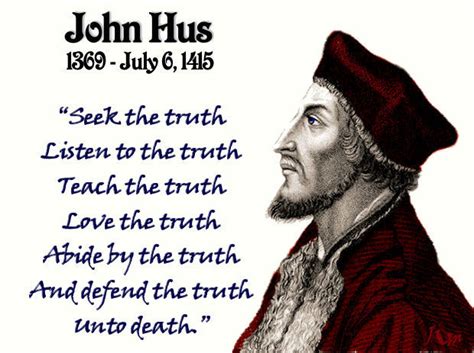
Uno de los que estudió las enseñanzas de Wycliffe fue Jan Hus, originario de lo que hoy es Checoslovaquia. Nacido en 1369, Hus pronto hizo eco de la postura de su predecesor en contra de las indulgencias, rechazando el poder del papado y promoviendo el sacerdocio de todos los creyentes. Su obra más reconocida, titulada “La Iglesia”, afirmaba que Cristo fue el fundador de la iglesia, no Pedro. En 1414, le dieron paso seguro a un consejo reformador que se reunió en la ciudad de Constanza, Suiza, supuestamente para resolver sus diferencias con la iglesia. Fue una trampa; a llegar, le retiraron el paso seguro, lo juzgaron y lo quemaron en la hoguera el 6 de julio de 1415.
John Wycliffe
Es en este contexto de discusión de 200 años y coincidiendo con la iluminación del renacimiento, que el 31 de octubre de 1517, Martín Lutero clavó sus 95 Tesis en la puerta de la Iglesia del Castillo en Wittenberg, Alemania. Al principio hubo un intento de mantener la discusión dentro de la iglesia, pero a final no sirvió para nada. En 1521, lo excomulgaron y la reforma protestante comenzó en serio, con una proliferación de propuestas de reforma y nuevas doctrinas y comunidades de fe. Entre los más radicales estaban los Anabaptistas y entre ellos los Menonitas.
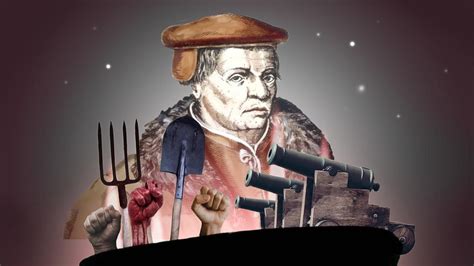
El debate sobre la doctrina de la iglesia se hizo público y llegó a la arena política. La Guerra de los Campesinos Alemanes (1524–1525) fue una revuelta popular en el Sacro Imperio Romano que vio a miles de campesinos, gente de pueblo y de clase baja levantarse contra las autoridades feudales. Sus demandas estaban resumidas en “Los Doce Artículos”, que pedían la abolición de ciertos impuestos feudales, alquileres justos, acceso a tierras comunales y el derecho a elegir a sus propios pastores. La reacción de los reformadores teológicos no fue nada armoniosa; un claro ejemplo fue el choque entre Thomas Müntzer, un ministro protestante que apoyaba totalmente las demandas de los campesinos, y Martín Lutero, quien argumentaba que el deber de los campesinos era trabajar la tierra y el deber de las clases gobernantes era mantener la paz. Al principio, Lutero mostró simpatía por las quejas de los campesinos, dado que fueron inspiradas en su trabajo; hasta escribió una “Admonición a la Paz sobre los Doce Artículos de los Campesinos”. Pero cuando la rebelión se tornó violenta y amenazó el orden social, se volvió en su contra, escribiendo un panfleto titulado “Contra las Hordas Asesinas y Ladronas de Campesinos”, con un lenguaje bastante violento: “Por tanto, que todo el que pueda, golpee, mate y apuñale, ya sea en secreto o abiertamente, recordando que nada puede ser más venenoso, dañino o diabólico que un rebelde. Es igual que cuando hay que matar a un perro rabioso; si no lo atacas, él te atacará a ti y a toda la tierra contigo”. De los 300,000 participantes en la revuelta, más de 100,000 murieron, y los demás fueron castigados y multados. Muchos huyeron a países vecinos, esparciendo su ideología y promoviendo acciones similares.
Thomas MüntzerMartín Lutero
La grieta ideológica entre los estados católicos y protestantes que formaban el Sacro Imperio Romano Germánico fue creciendo con el tiempo. Se desató otra vez la guerra abierta alrededor de 1618 con lo que se conoce como la Guerra de los Treinta Años. Una de las guerras más largas y brutales de la historia, se vio más de 8 millones de bajas por batallas militares y por el hambre y las enfermedades que desató el conflicto. El resultado fue la destrucción del Imperio Romano y el establecimiento de naciones europeas modernas y soberanas, aunque muchas con sus propias manifestaciones de intolerancia religiosa.
Simultáneamente al sangriento conflicto europeo, comenzó el expansionismo colonial hacia el “Nuevo Mundo”, tanto para saquear tesoros que financiaran el esfuerzo bélico de los países alineados con el Sacro Imperio Romano, como para un escape de vapor para la reubicación de disidentes religiosos radicales.
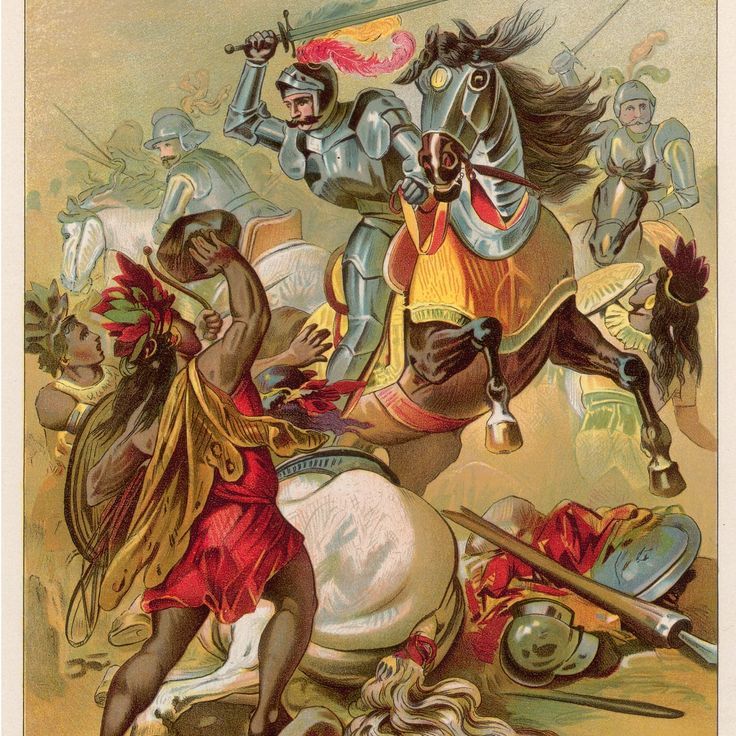
El Papa Alejandro VI emitió la bula Inter Caetera en 1493, que dividió las tierras del Nuevo Mundo entre España y Portugal, justo el mismo año en que Colón hizo su segundo viaje a las Américas, abriendo negocio en el Caribe para extraer oro, esclavos e iniciar la producción de caña de azúcar. Pedro Álvares plantó la bandera portuguesa en Brasil en 1500. También Portugal estableció colonias a lo largo de la costa africana, en la India y el Lejano Oriente. Hernán Cortés lideró la conquista española del Imperio Azteca en México, en 1519, seguido por Francisco Pizarro llegando a Perú en 1532 para conquistar a los Incas.
La mano de obra forzada, el comercio de esclavos y las enfermedades europeas diezmaban a la población nativa en las Américas y para 1517 ya traían los primeros grupos de esclavos africanos al Caribe para reemplazar la fuerza laboral. Se estima que la población nativa de Mesoamérica, de unos 50 millones, se redujo a entre 2 y 5 millones en el periodo en discusión. Se estiman que el noventa por ciento del comercio esclavista africano hacia el Nuevo Mundo fue al Caribe y Sudamérica, con cerca de cinco millones solo para la producción de caña de azúcar en Brasil.
América del Norte también fue colonizada en esta época. En 1532, Jacques Cartier reclamó partes del territorio canadiense para Francia, y entre mediados y finales de 1600 empezaron a surgir las 13 colonias que luego formarían los EEUU. William Penn visitó el asentamiento de refugiados suizos anabaptistas en Griesheim, Alemanía en septiembre de 1677, mientras promovía su colonia religiosa tolerante en Pensilvania. Cuatro hijos de Melchior Bronimann II “el exiliado” se fueron al Nuevo Mundo con él, entre ellos Melchior ‘El Pionero’ Brenneman, Sr., mi quinto tatarabuelo. Se estableció en lo que era la frontera oeste, ahora conocido como el municipio de Conestoga en el centro oeste del condado de Lancaster, Pensilvania. Los Brenneman convivieron con la tribu local Conestoga por muchos años, como se reportó en un testimonio de la época en el periódico local, Hazard’s Register, donde se decía que los hijos del inmigrante menonita “jugaban de manera muy deportiva e inocente con los pequeños de rostro rojo, y nunca supe ni escuché que algún rostro blanco sufriera daño alguno de sus hermanos rojos; es decir, ningún daño intencionado.” En diciembre de 1763, los 20 nativos Conestoga que vivían junto a los Brenneman fueron brutalmente asesinados por “Los Paxton Boys”, una turba de inmigrantes escoceses-irlandeses que vivían en el área alrededor de Lancaster. Las buenas intenciones no soportaron el embate de la expansión. Y querámoslo o no, aquellos que escapaban del maltrato y la persecución en el Viejo Mundo se convirtieron en parte integral de los mismos que maltrataban y desplazaban a la población nativa en el Nuevo Mundo.
El período de doscientos años de 1500 a 1700 fue un cambio feroz de paradigma. Lo que me llama la atención es que cada grupo o comunidad afectada por este cambio tempestuoso insiste en contar su historia como si fuera un relato independiente, sin conexiones con otros relatos similares y sin contexto del gran tumulto global que marcó el camino y contribuyó a la narrativa de todos. Todos hablamos de los mismos 500 años, y como si fuéramos los únicos protagonistas.
Quinientos años de Anabaptismo es un legado del que estar orgulloso, pero hay que verlo con humildad, como un pequeño rol en esa transformación mundial que se llevó por delante a más de 60 millones de personas, el desplazamiento de muchos más y innumerables relatos similares de valentía y heroísmo.
¿Realmente nosotros decidimos nuestro destino? O estamos captados por las circunstancias, tratando de mantenernos a flote. ¿Podría haberse dado la Reforma sin todo el contexto que la precedió y el relajo político?
Tal vez la verdadera pregunta es: si nuestros abuelos no hubieran hecho lo que hicieron hace 500 años, y con el orgullo que sentimos hoy, ¿tendríamos el valor para hacerlo ahora? ¿Hay algo parecido a la reforma en nuestra época?, ¿y qué sería?
¿Cómo recordarán nuestros descendientes nuestras acciones hoy dentro de quinientos años?
rab 3/6/25
Nota: Mientras escribía este blog, me asombró la cantidad de acontecimientos mundiales de 1500 a 1700 y no hay forma de incluir todos los hechos históricos en este intento condensado y humilde de dar una perspectiva sobreelcomienzo anabaptista.
January 21 of this year marked five hundred years of Anabaptism, the movement that spawned the Amish, Mennonite, Hudderite and Brethren religious communities, so congratulations are in order.
In a nutshell, Anabaptists rejected Roman Catholic infant baptism as invalid, insisting that this sacrament could only be taken by one conscious of it’s deep spiritual meaning. While this is the stance that led to the name “Anabaptist”, their new doctrine also rejected the Pope’s authority and called for a layman’s understanding and interpretation of the bible. This was countered by religious persecution and death for many followers by drowning, being burnt at the stake or broken on the rack, among other barbaric methods of Inquisitional torture. In the period from 1527 until 1711, an estimated four to five thousand Anabaptists were executed for their faith. Many are documented in the “Martyrs Mirror” or “The Bloody Theater”, first published in Holland in 1660 in Dutch by Thieleman J. van Braght.
My sixth great-grandfather, Melchior Bronimann II “the exile”, born around 1631 in Oberdiessbach, Bern, Switzerland, a weaver, became part of this Anabaptist movement, specifically in the Mennonite sect. In 1659, at the age of 28, he was jailed for a year in the Castle of Thun, before being exiled, along with his wife and seven children to the Swiss Anabaptist refugee camp in Griesheim, Germany. Two cells in the tower in the Castle of Thun are open to tourists now; several years ago I was able to visit the area, sit in one of the cells for awhile and ponder if I could have made the same decision, at that young age and with a wife and a growing family. A sense of self-esteem in my family heritage is natural of course, even a pinch of sanctimonious pride. “We” stood up to an evil church-state alliance and remained true to “our faith”.
Thun CastleTower cell in Thun Castle
But then, the five hundred year refrain strikes a note. Where have I heard that before? Could it be that “we” were not the only thing going on? What else was happening five hundred years ago? Well, it turns out that quite a bit of change was taking place throughout the world which needs to be looked at in order to put the Anabaptist chapter in context. A related question is that of cause and effect; how individual movements impact or are impacted by world changing events. We all want to be the butterfly in the Butterfly Effect, right?
Overall, the time period of our interest, from around 1500 into the 1711’s, marked the end of the middle ages (also known as the dark ages) ushering in the enlightenment of the Renaissance period. Leonardo da Vince, Michelangelo, William Shakespeare, Descartes, Galileo and Copernicus among others molded our modern concepts of art, architecture and science during this time frame; basically forming all of current western cultural identity.
Long before Martin Luther nailed his 95 Thesis to the church door, an English theologian and early dissident in the Roman Catholic Church, John Wycliffe (1328-1384) had coined the phrase, “Priesthood of all believers” which would later become the basis of all Anabaptist theology. The bible translated for the common man, the equal footing of all believers and the right (and obligation) of each one to interpret the bible for themselves is central to this concept. I remember during my teenage years, a discussion at church regarding if the pulpit for the pastor should be on a raised platform or not. Raising the pulpit above floor level may give the impression of superiority, while keeping it at floor level meant he was no better than the rest of us, although it was more difficult to see and hear the sermon. The practical argument won out and the pulpit was raised, much to the chagrin of the traditionalists.
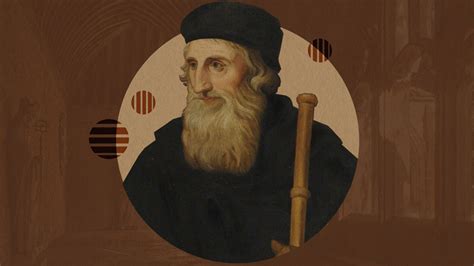
Wycliffe’s writings regarding the reformation of the church heavily influenced all reformers following in his footsteps. While he was able to stay out of the churches grasp and die a natural death in 1384, the Council of Constance in 1415 called for his bones to be dug up and burned for heresy.
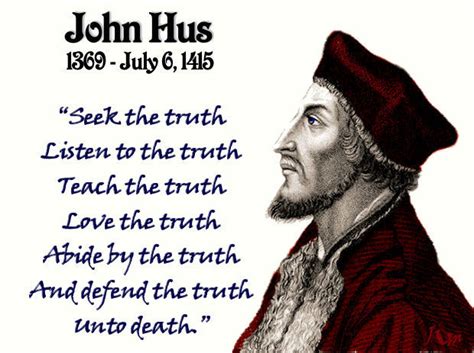
One of those who studied Wycliffe’s teachings was Jan Hus, hailing from what is now the Czech Republic. Born in 1369, Hus soon echoed his predecessor’s stance against indulgences, rejecting the power of the papacy and promoting the priesthood of all believers. His most recognized work titled “The Church” claimed that Christ was the founder of the church, not Peter. In 1414, he was given safe passage to a reforming council to be held in the city of Constance, Switzerland, purportedly in order to resolve his differences with the church. It was a trap; on arrival, his safe passage was withdrawn, he was tried and burned at the stake on July 6, 1415.
John Wycliffe
It is within the context of this 200 year discussion and coinciding with the enlightenment of the renaissance, that on October 31, 1517 Martin Luther nailed his 95 Thesis to the door of the Castle Church in Wittenberg, Germany. Initially there was an attempt to keep the discussion within the church, but to no avail. In 1521, he was excommunicated and the protestant reformation began in earnest, with a proliferation of proposed reforms and new doctrines and communities of faith. Among the most radical were the Anabaptists, and among them, the Mennonites.
The debate over church doctrine went public and spread into the secular political arena. The German Peasants’ War (1524–1525) was a widespread popular revolt in the Holy Roman Empire that saw thousands of peasants, townsfolk, and lower-class individuals rise up against feudal authorities. Their demands were encompassed in “The Twelve Articles” which called for the abolition of certain feudal taxes, fair rents, access to common lands, and the right to choose their own pastors. The reaction to this movement by the theological reformers was by no means harmonious, exemplified by the clash between contemporaries Thomas Müntzer, a Protestant minister who fully supported the demands of the peasantry, and Martin Luther, who argued that the duty of the peasants was farm labor and the duty of the ruling classes was upholding the peace. Initially, Luther had expressed sympathy for the grievances of the peasants, as they were inspired by his work, writing an “Admonition to Peace Concerning the Twelve Articles of the Peasants”. However, once the rebellion turned violent and threatened the social order, he turned on them, writing a pamphlet “Against the Murderous, Thieving Hordes of Peasants” with rather violent rhetoric, “Therefore, let everyone who can, smite, slay, and stab, secretly or openly, remembering that nothing can be more poisonous, hurtful, or devilish than a rebel. It is just as when one must kill a mad dog; if you do not strike him, he will strike you, and a whole land with you”. Of the 300,000 participants in the uprising over 100,000 died, with the remainder punished and fined. Many fled to neighboring countries, spreading their ideology and promoting similar actions.
Thomas MüntzerMartin Luther
The ideological religious and political divide grew over decades within the Catholic and Protestant states that formed the Holy Roman Empire. It broke into open warfare once again around 1618 with what is known as The Thirty Years’ War. One of the longest and most brutal wars in human history, it saw more than 8 million casualties resulting from military battles as well as from the famine and disease provoked by the conflict. The other result was the destruction of the Roman Empire and the establishment of modern sovereign European nations, although many with their own manifestations of religious intolerance.
Simultaneous to the brutal European conflict, colonial expansionism to the “New World” began, both as pillaging treasure to pay for the war effort for the countries aligned with the Holy Roman Empire and as a steam valve for the resettlement of radical religious dissidents.
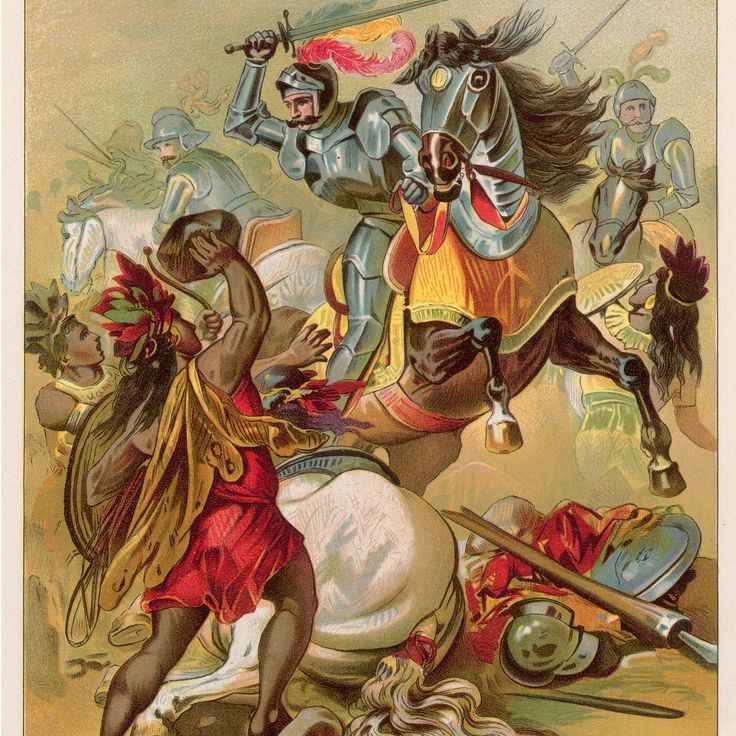
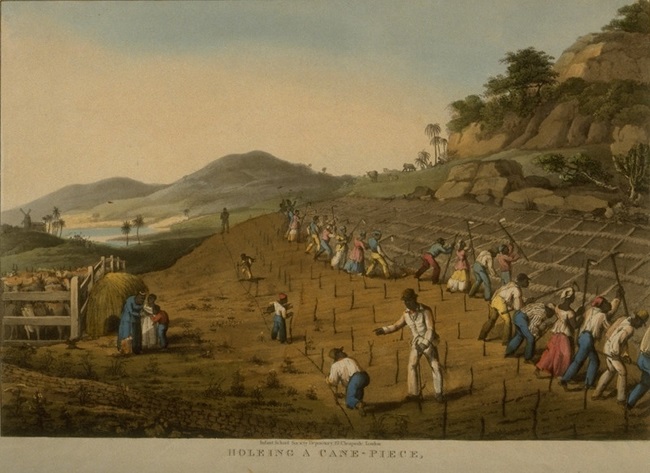
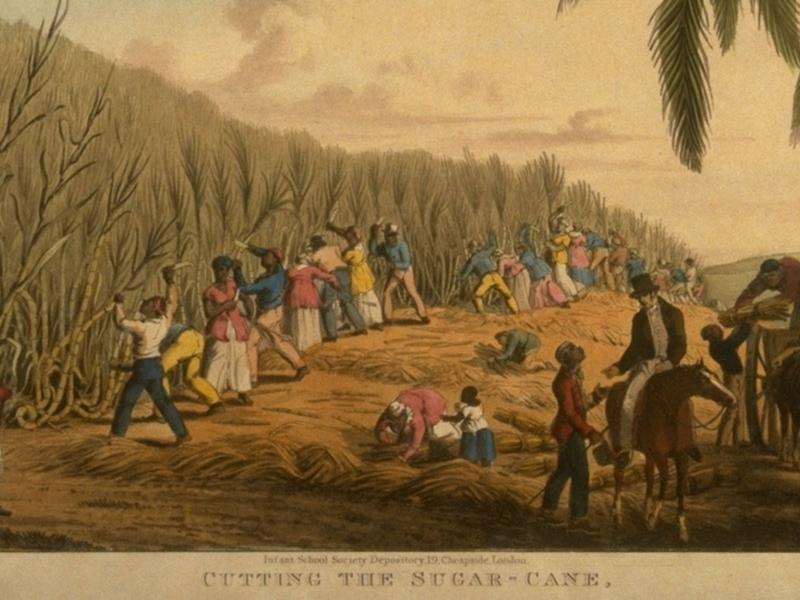
Pope Alexander VI issued the 1493 bull Inter Caetera, which divided the lands of the New World between Spain and Portugal, the same year Columbus made his second voyage to the Americas setting up shop in the Caribbean to extract gold, slaves and initiate sugar cane production. Pedro Álvares planted the Portuguese flag in Brazil in 1500. Portugal would also go on to establish colonies along the African coast, India and the Far East. Hernán Cortés led the Spanish conquest of the Aztec Empire in Mexico, in 1519, followed by Francisco Pizarro arriving to Peru in 1532 to conquer the Incas.
Forced labor, the slave trade and European diseases decimated the native population in the Americas and by 1517 the first groups of African slaves were brought to the Caribbean to replace the labor force. The native population in Mesoamerica, estimated to around 50 million persons was reduced to between 2 to 5 million over the time period in discussion. Reportedly, ninety percent of the overall African slave trade to the New World was to the Caribbean and South America, with close to five million just for sugar cane production in Brazil.
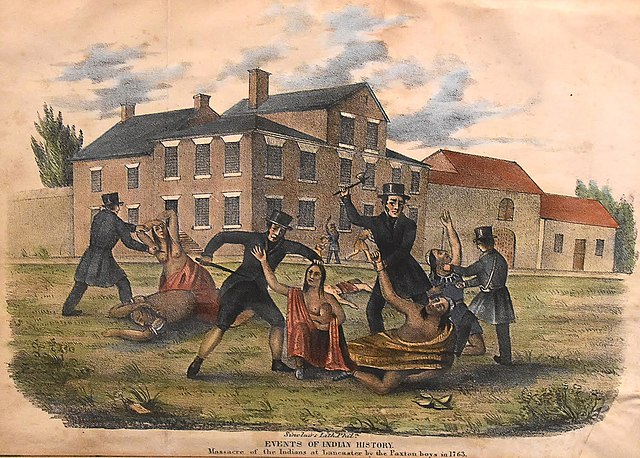
North America was also colonized during this period. In 1532, Jacques Cartier claimed parts of Canadian territory for France and the mid to late 1600’s saw the beginning of the original 13 colonies that would eventually form the USA. William Penn visited the Griesheim Swiss Anabaptist refugee settlement in September 1677 as he promoted his Pennsylvania religious tolerant colony in the New World. Four sons of Melchior Bronimann II “the exile” left for the New World with him, among them Melchior “The Pioneer” Brenneman, Sr., my fifth great grandfather. He settled in what was then the western frontier, now known as Conestoga Township in west central Lancaster County, Pennsylvania. The Brennemans co-existed with the local Conestoga Tribe for many years, as reported in an eyewitness account in the local newspaper at that time, Hazard’s Register, of the Mennonite immigrant’s children “playing in the most sportive and innocent manner with the little red faces, and I never know or heard of one little white face receiving any injury from their red brethren; that is, no intentional injury.” In December of 1763, the 20 Conestoga natives living as neighbors to the Brennemans were barbarously slaughtered by “The Paxton Boys”, a mob of Scots-Irish immigrants living in the area around Lancaster. Good intentions did not withstand the onslaught of expansion. And willingly or not, those fleeing mistreatment and persecution in the Old World became part and parcel of the perpetrators mistreating and displacing the native population in the New World.
The two hundred year period from 1500 through 1700 was a major paradigm shift. What I find interesting is the fact that each group or community impacted by this tumultuous change insists on telling their part as an independent story, unlinked to other similar stories and without context to the global upheaval which set the stage and contributed to everyone’s particular narrative. We all talk of the same 500 years, and as if we were the only true protagonist.
500 years of Anabaptism is a heritage to be proud of, but it needs to be humbly put in the perspective of playing just one small role in a world changing transformation which caused the untimely death of up to 60 million people, the displacement of many more and spawned countless similar accounts of courage and heroism.
Do we actually determine our our fate? Or are we just caught up in the events surrounding us, merely doing our best to keep our heads above water? Could the reformation had happened without the context leading up to it and the accompanying political turmoil?
Perhaps the real question is if the Reformation had not been carried out by our forebears 500 years ago, and given our sense of pride in that heritage, would we actually have the courage to carry it out today? Is there an equivalent to the reformation in our lifetime, and what would that be?
How will our descendants recall our deeds today five hundred years from now?
rab 3/6/25
Note: While writing this blog, I was overwhelmed by the sheer volume of world events from 1500 to 1700 and in no way am able to include all historical happenings in this condensed and humble attempt to bring some perspective to the Anabaptist beginnings.
How is it that revolutions invariably sputter to a halt and become merely a perverted caricature of the ideals that inspired so many to give so much and die much too early. And leave the survivors with a sour taste in their mouths and heartbroken; even jealous of the heroes who sacrificed all in the belief that the revolution would triumph and change the world.
Time after time after time: a plot written, a stage set, a foregone conclusion it would seem.
To what purpose? To become bitter? Or deny reality and wave the faded flag forever?
Or find the lesson in the script…
The lens once used to view without, separating light from dark and righteousness from evil, has grown cloudy, only reflecting dimly back on me.
Discovery the world around me is but a projection of myself my fears and joys, and beauty and shadow, darkest shadow
Just as the moon is a reflection of the earthly realm, revealing
Revolution is a personal journey
as that which inspires to action is but a clue to that needed to be rooted out deep inside
to grow or fall short and die inside
as Causes are but the two sides of the same coin with both sides feeding off and strengthening the other until victory and defeat are indistinguishable, leaving only lessons.
The cross to take up is my own, the evil to defeat is my own, the freedom to be won, mine as well
because
Liberation is a state of mind, on the path to Redemption.
¿Cómo es que las revoluciones siempre terminan perdiendo el pulso y se convierten en una caricatura barata de los ideales que inspiraron a tantos a darlo todo y morir tan jóvenes? Y dejan a los que quedan con un sabor amargo en la boca y el corazón hecho pedazos; hasta con envidia de los héroes que sacrificaron todo creyendo que la revolución iba a triunfar y cambiar el mundo.
Una y otra vez: un libreto escrito, un escenario montado, un final cantado, parece.
¿Para qué? ¿Para amargarse? ¿O negar la realidad y ondear la bandera desteñida para siempre?
¿O sacar alguna lección del guion…?
La lente que solía servir para observar afuera, separando la luz de la oscuridad y la justicia de la maldad, ha ido opacándose, ahora solo reflejando una borrosa imagen de mí mismo.
Descubrimiento el mundo que me rodea no es más que una proyección de mí propio ser, mis miedos y alegrías, y belleza y sombra, sombra más oscura
Así como la luna es un reflejo del reino terrenal, revelando que la
Revolución es un desafío personal
ya que lo que inspira a la acción no es más que una pista de lo que necesita ser erradicado profundamente adentro
para crecer o quedarse corto y morir adentro,
pues las Causas son las dos caras de la misma moneda con ambos lados alimentándose y fortaleciendo al otro hasta que la victoria y la derrota son indistinguibles, dejando solo lecciones.
La cruz que debo cargar es la mía, el mal a vencer es el mío, la libertad a obtener, también es mía porque
La Liberación es un estado mental, en el camino hacía la Redención.
Jose
You were a hero, a real-life hero,
a sparkle in your eye, a swagger in your walk,
scarred inside and out; twenty years of war carried with quiet pride;
self-assured, confident and able, a real-life hero; great to be around that sparkle in your eye.
oh but then, offered rights and restitution, you traded in your sparkle and your swagger
suddenly a victim…
complete with the victim slouch and slur and gaze
all within your rights, Jose, all your choice
but I miss the hero and the sparkle in your eye.
Rights and restitution for those who have suffered wrongdoing is a noble endeavor. Unfortunately, gaining access to those rights often requires reliving trauma and assuming an idealized victim pose. Financial compensation becomes the all-encompassing goal and remedy, with a little “that will show them” punishment against the aggressors thrown into the mix. While that compensation may be gained (or may remain a promise), the question as to the long-term impact of this victim conversion process on the quality of life of each hero should not continue to be ignored.
-and to those friends who will speculate on the identity of “Jose”, this is a composite of this behavioral phenomenon I have observed over the years and does not apply to a particular individual.-