Author Archives: Ron Brenneman

Unknown's avatar

About Ron Brenneman

Originally a Delaware farm boy, grew up Mennonite, carpenter; did a three year volunteer post in Central America that turned into thirty-six. Built stuff, started a business, a school and a family. Back in Delaware for the time being, unsure of where home actually is. Build a few things, tend the garden and the chickens, fish a little, hunt a little, think too much and write sometimes.

Clipping Wings

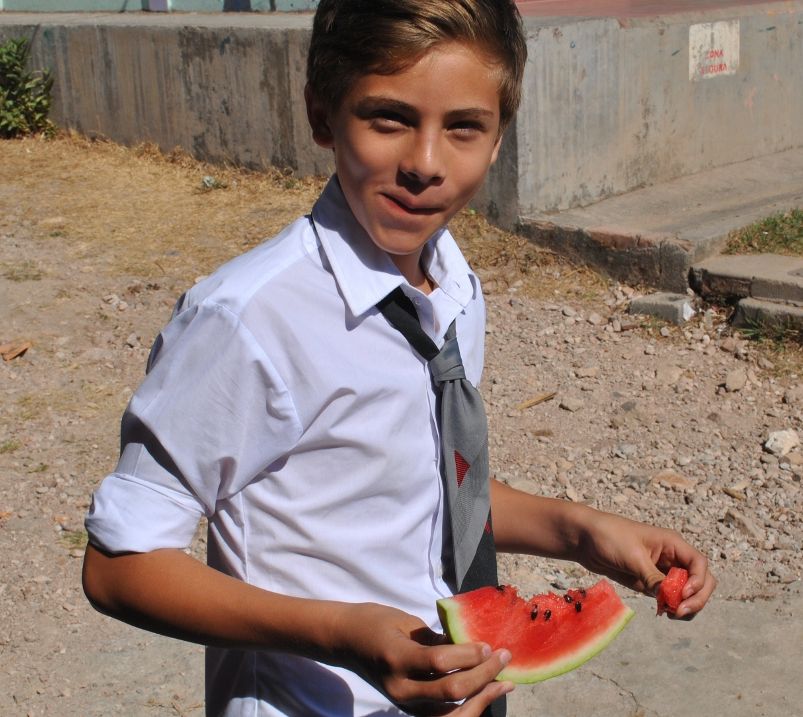
smart kid

Taking a carefree, imaginative young person and molding them into an upstanding, productive member of society normally involves an educational program that places an emphasis on behavior. It is argued by many that social conduct is the most important aspect in preparing for life. That may be true for the portion of the population who live in urban areas and have the necessity and opportunity to find their place in the labor force. Obedience is considered vital in the workplace.

Our experience in Morazán indicates that ingenuity, resourcefulness and self-assurance are much more important qualities to hone than proper social behavior. Properly taught, these qualities will also promote good social behavior. We would argue that the flip side of absolute obedience is dependence and that dependence condemns us to maintaining status quo. We feel that learning systems and curriculum in underdeveloped rural areas must be pertinent to the needs of that area and not a rote copy of a standard designed for creating factory workers.

At Amún Shéa, negotiations between students and teachers establish agreed upon conditions for classroom management. This method is under development and is not always implemented in perfect form, but that´s what school is about.

School is where we should make our mistakes and learn from them. What school should not be is where we clip wings and then expect flight upon graduation.
 

Dangerous Education

DSC_0074 (1280x719)

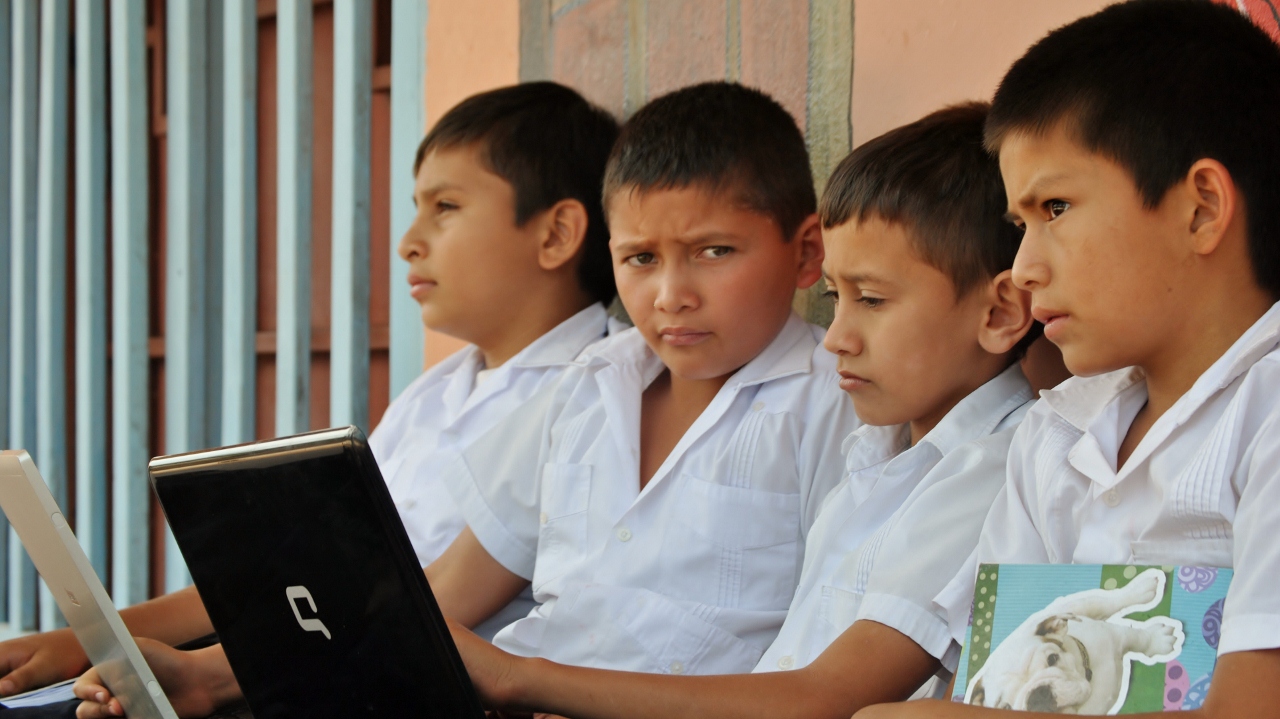
For some people all changes in our educational systems bring the inherent danger of loss of control. We love it when an alternative program results showcasing talent, or what we recognize as talent, in our children. We are willing to invest time, energy and resources into extracurricular activities and even the odd “unconventional” digression some teachers are permitted to employ.

But what happens when our children begin to think for themselves? Not the cute parroting of preconceived opinions, but creating their own world view. What happens when our children suddenly become more knowledgeable in some areas than we, those charged with their upbringing? At what point do we feel threatened by our children´s achievements, views and positions? “Nonsense,” you may say, “I would never feel that way about my child.”

But when superiority in a child starts to become apparent in emotional maturity, in life vision and belief systems, watch out. That is the real test of commitment to building an educational model that frees the human spirit rather than clipping wings. Now that is a dangerous education.

This is just one of the real-world challenges in building an educational model designed to change the status quo in Morazán. The area has been traditionally marginalized, suffered complete destruction of infrastructure and displacement of the civil population during the Civil War (1981-1992) and currently holds the dubious honor of maintaining both the highest poverty levels and the lowest academic achievement in all of El Salvador.

The socioeconomic conditions in Morazán create a fertile setting for implementing alternative solutions, as it is very clear to all that current programs are not making a dent in poverty indicators or academic standards. At the same time, this does establish a fairly low threshold in expectations and skills required to maintain status quo.

At Amún Shéa, we are seeing a process, starting about the fifth grade where our students begin to surpass teachers and parents in analysis, synthesis and establishing goals. By the eighth grade, the maturing process has entered the emotional turf, making for some very interesting and dramatic situations.

As we expand by one grade per year, we are looking forward to ninth through twelfth grades as a tremendous challenge and a fantastic opportunity to deal with this issue, not just in theory but in real life.

Amún Shéa, Center for Integrated Development is a project of Perkin Educational Opportunities Foundation, located in the northeast corner of El Salvador, in Central America.

Reality Check

javier bannerWe founded Amún Shéa, Center for Integrated Development as a correction to a programmed failure. The problem-based learning curriculum focuses on real-world and local developmental issues. And we started young, with a K through third grade program in 2008, expanding one grade per year. Our students do not study subjects; they study problems and create solutions. Math, Science and other subjects are used as tools in the application of solutions, consulted as needed to get the job done.

I assume a large dose of denial is present when a school system carries on as normal during a decade long civil war. Cumbersome bureaucracy and tradition perhaps explain carrying on with no real adjustment in direction while achievement bottoms out and competence only exists in test scores. The current teacher body was largely educated during the civil war, which obviously has an influence of importance.

The local public high school in Perquín turns out over 100 ill trained accountants and secretaries each year. In an area with practically no openings for these vocations, this only motivates migration out of the area in search of opportunity. At the same time, if one needs an electrician, a plumber, an agricultural engineer or technicians of any stripe or specialty, there are none to be found except in the larger cities.

Obstacles abound but progress is undeniable; we´re building a new model. Come along with us at Amún Shéa.