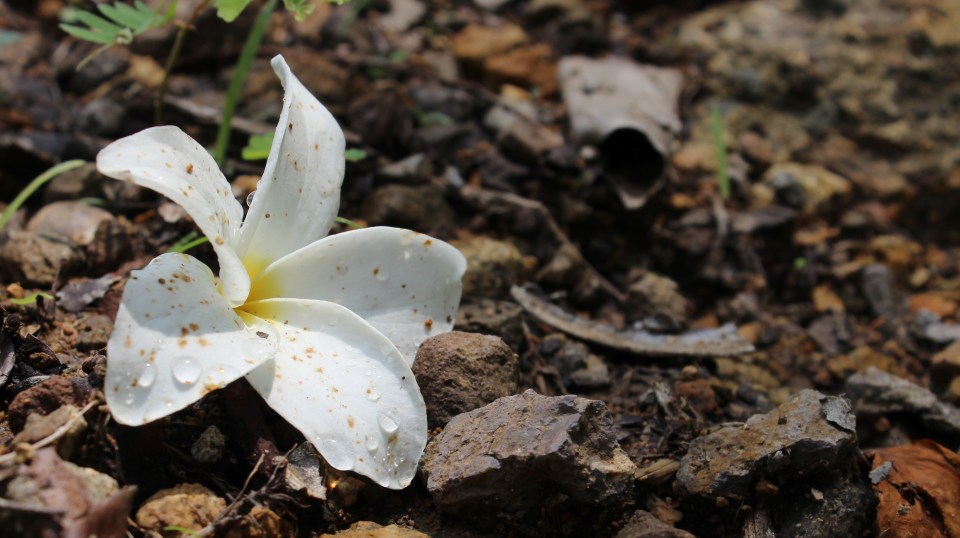
“All problems, regardless of how overwhelming they may seem to us, start out small. All difficult situations under the heavens are a compilation of simple problems.”
paraphrased from Tao Te Ching, chapter 63
It is rather overwhelming to understand that I must deal with what seems to be an ever expanding epidemic of issues such as sexual abuse, harassment, misogamy and other actions which apparently have been prevalent for some time. Unfortunately these issues have been so successfully hidden, in plain sight, that we actually lack common vocabulary to describe them.
At the same time, they are generally taboo subjects, which explains how they can be hidden away in plain sight. We can observe and give opinions when observed from afar, but when it occurs in our circle of influence, we mum up very quickly.
“When you recognize a problem, you´ve just been handed the task of solving it,” is another ageless truth that comes without exception clauses. As a father of young children and with responsibility to a school full of children, it is now my responsibility to get over being uncomfortable with the subject and assume my assigned role in helping to solve it.
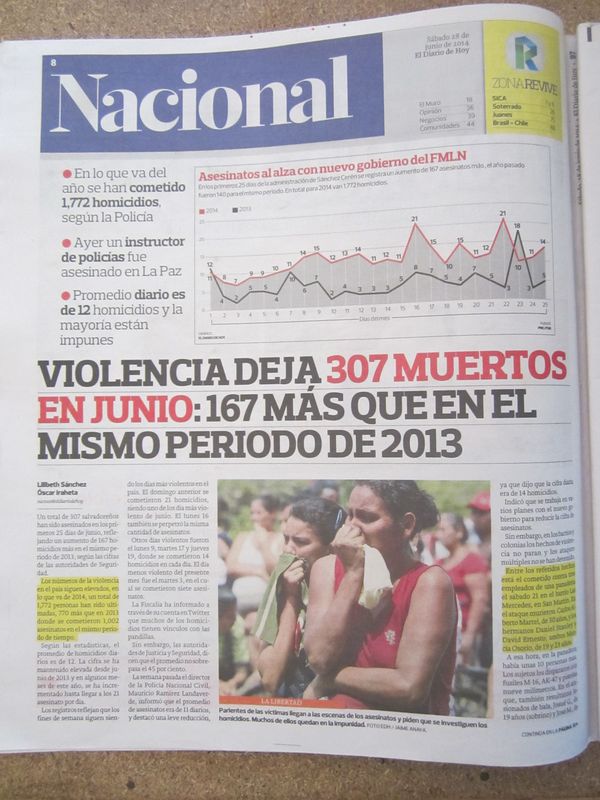
It is interesting how sanitized our abstract concepts are and how they tend to hide the foul realities that create them. Take the overused term underdevelopment; we hear it often and it conjures up images of poor, yet often noble people in need of a hand. But what are the base elements of underdevelopment, if not unsightly and often very ignoble displays of human nature coupled with dire economic conditions? With our work in northern Morazán in El Salvador, we often tout the fact that we have the lowest murder rate in the country. We will leave out however, the contradictory fact that we have one of the highest levels of interfamily violence. And what makes up interfamily violence? All of those phrases we don´t want to consider, much less openly discuss; neglect, psychological abuse, beating, molestation, incest and rape. This is not a blanket condemnation of the community, just some of the cold hard facts contributing to underdevelopment. And yes, much of the community deserves the distinction of noble and warm-heartedness.
It is high time we stop dealing with the abstracts and start applying that ageless counsel of dealing with the individual and simple components that comprise the overwhelming problem. Or better said resolve the problems while they are still small; nip them in the bud.
We had an “issue” several weeks ago at the Amún Shéa School. It consisted of a male teacher taking inappropriate actions toward several female students, to the point that they became uncomfortable. The short story is that the students spoke up, the teacher was fired and we showcased the incident as an example of empowerment and several of our supporters became uncomfortable.
On the surface, a very simple incident, but one that could actually provoke “much ado over nothing” comments. Just below the surface, however, lie key elements in “nipping the problem in the bud.”
First and foremost, the students involved have not become victims. They spoke up publicly in a transparent matter-of-fact setting and effected the necessary change, without the need to take on the role of victim. I believe this aspect deserves a good hard look. It is an area outside my personal expertise. I do appreciate organizations that work with victims, but firmly believe that in many cases we can prevent the victimization from occurring in the first place. Empowerment is another overused term, but self-aware young people with a sense of self-worth and self-ownership, who are supported by “us” and by involved institutions, are less likely to become victims.
Secondly, the negative role model being presented by the male teacher to male students was thoroughly thrashed. The public accusation was necessary for this important aspect. We cannot ignore the fact that most learning occurs through example, especially in terms of social behavior. Sweeping the incident under the rug only trains the next generation in unacceptable “manly” behavior.
The third point is that this is not a law-enforcement problem. This is a “just whom are we here for” type of situation. Law enforcement is required when total breakdown occurs and a victim is created. We have the responsibility of creating the conditions that do not allow the situation to get to that point. The guideline seems to be the comfort zone. No one should be expected to bear with impositions of intimacy from others that create discomfort. “Your freedom stops where mine begins,” a sometimes controversial phrase, works well here, as does the concept of individual sovereignty. They must, however be broadened to explicitly include minors and others considered to be “institutional wards.” Indeed, enrollment in a school does not lessen individual sovereignty of the minor, but rather doubles the institutional responsibility in the protection of that sovereignty.
An open, frank and transparent atmosphere is the fourth element in nipping this problem at the bud. We must be perfectly clear in the understanding that it is nothing more than our denial and embarrassment over given subjects of conversation that casts the shadows which allow these actions to originate and propagate. A conscience effort to name actions for what they are, in a public and very timely manner, must be our personal and institutional policy.
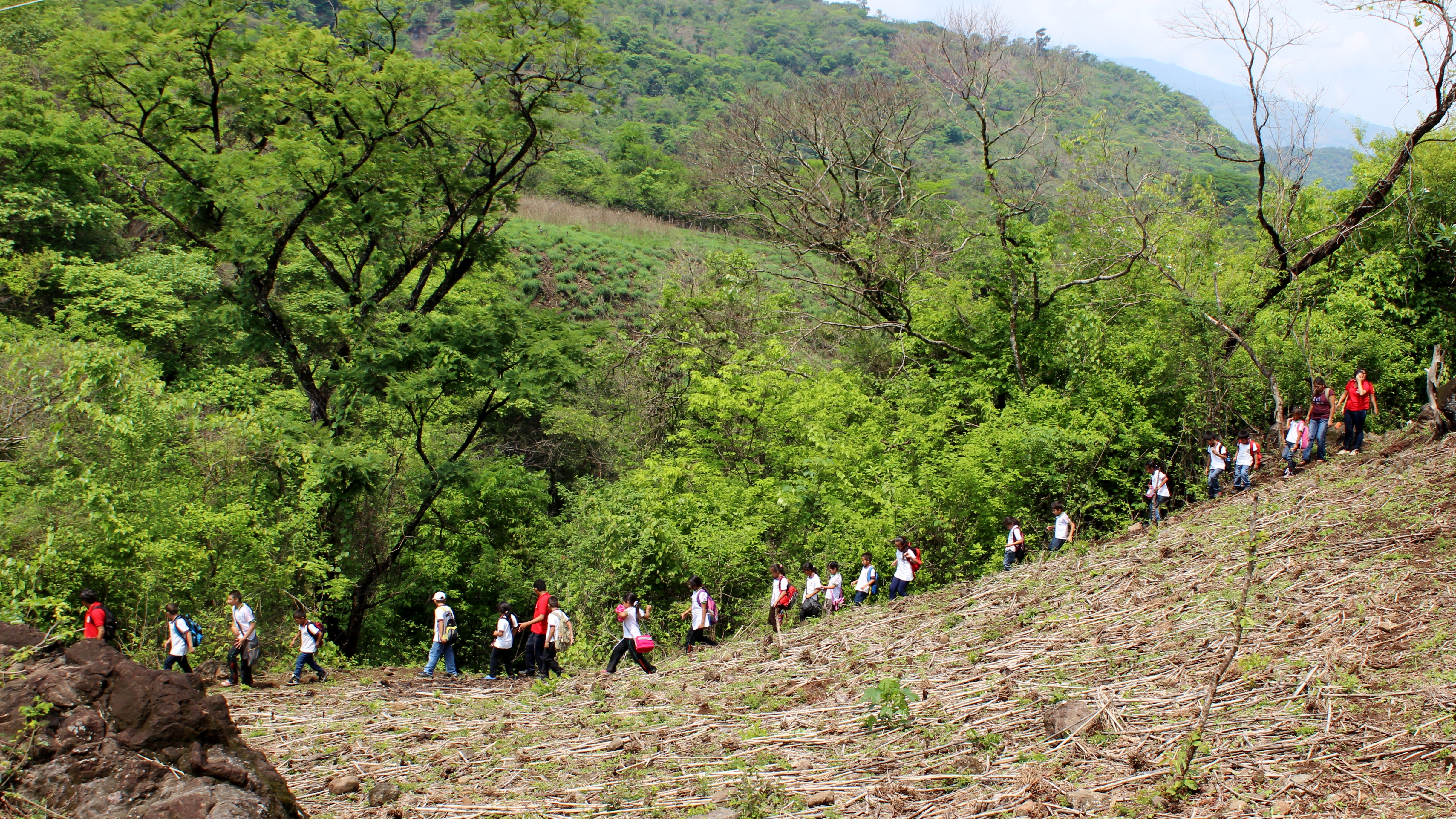
The world is not limited to our school, of course, not even for our students. This is why it is so important that empowerment and self-worth is instilled in each student. In the end it is they who will eradicate this stupidity and prepare for their own challenges. We are here only to support them and to break things down to manageable pieces.
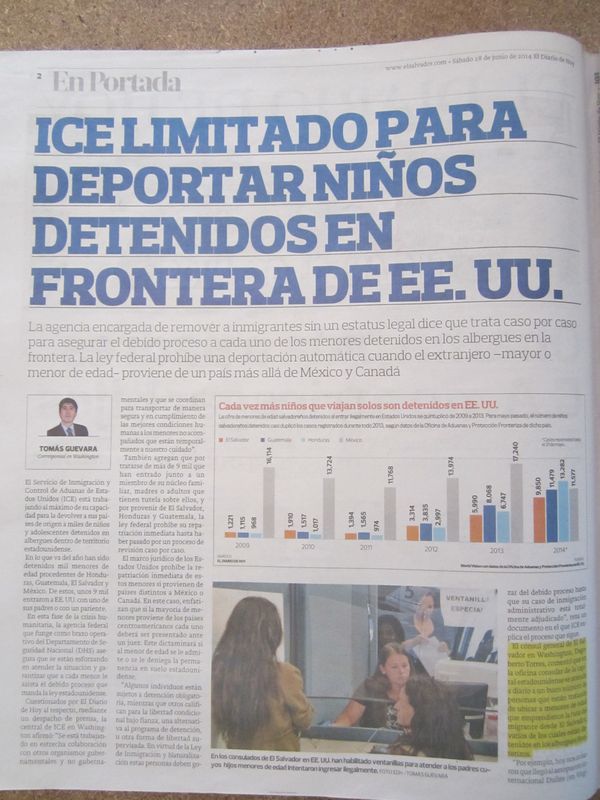
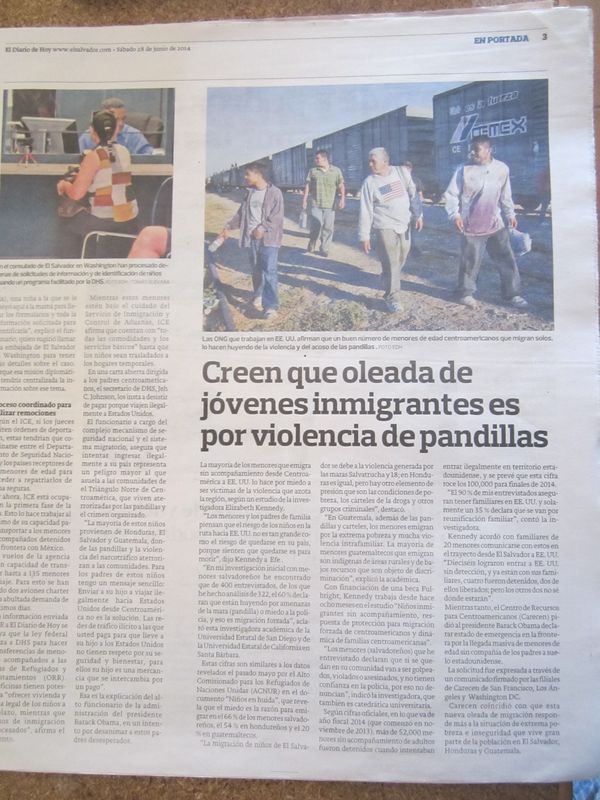
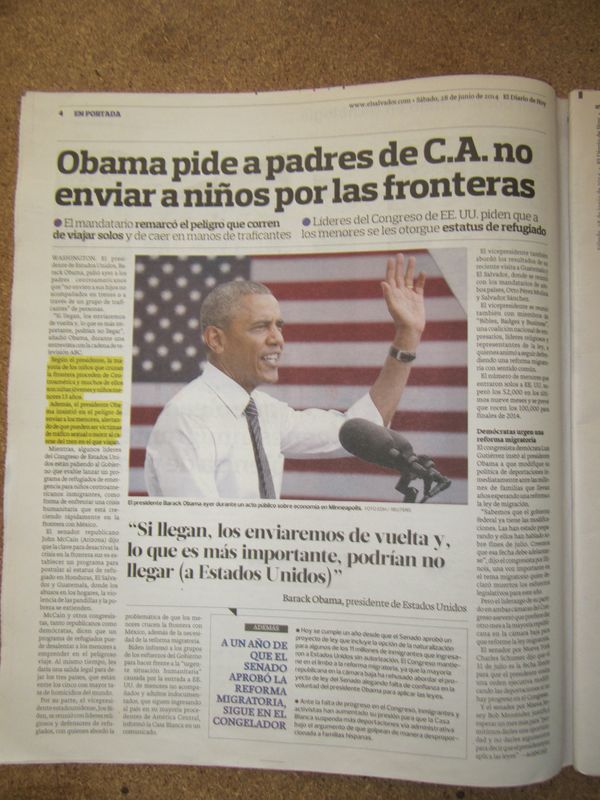
 That is a very innovative selection process up North to get the type of foreign workers needed.
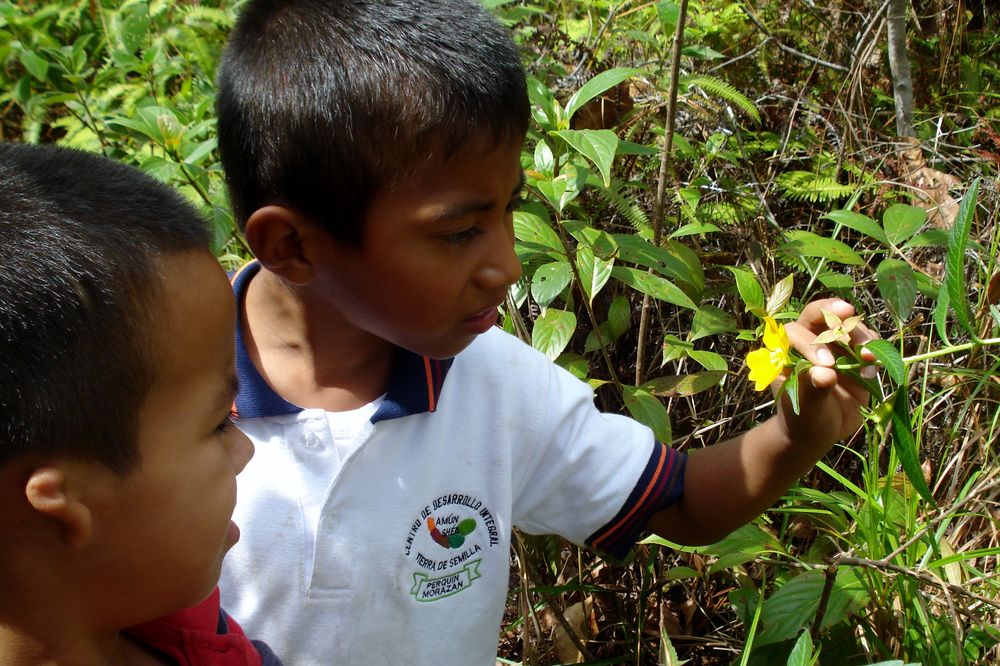 We are working to slow that talent drain. El Salvador needs a few of the brighest and best to stay here at home; to change the conditions that leave migration as the only option for providing a decent living.



 21st Century Introspective