Tag Archives: El Salvador

Nelo’s departure

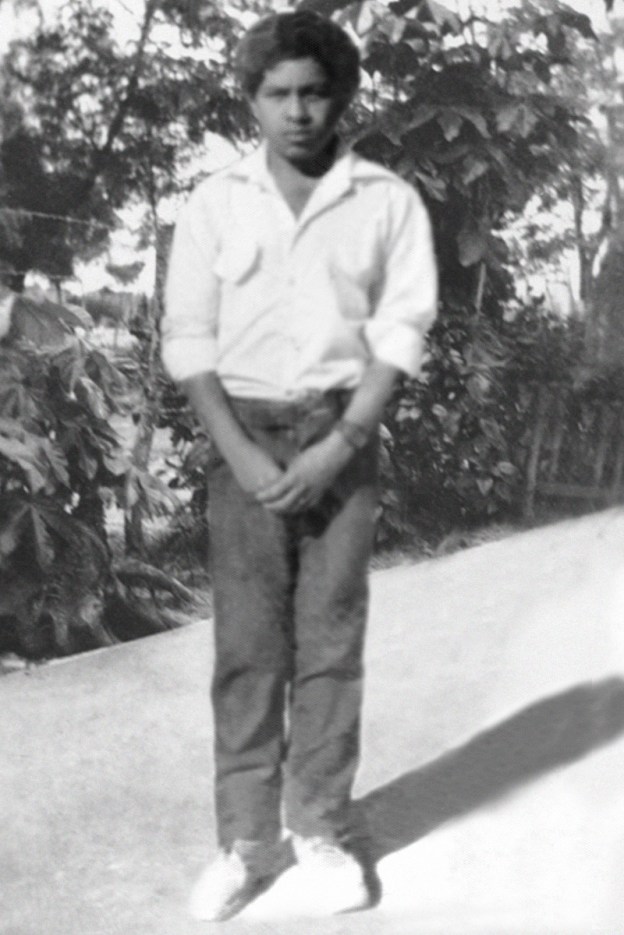
Nelo sat on a rock overlooking the small valley spread out some eight hundred feet below a sheer drop. His ration of two tortillas and a smattering of beans wasn’t nearly enough for what his growing fifteen year old body demanded. Using one tortilla as a plate, Nelo deftly torn bits off the other and scooped up some of the beans, trying to make them last to the last bite. He chewed slowly, taking in a dab of salt from a moistened fingertip between bites of the tough day-old tortillas. It was frustrating, being stuck here for so long. By now he should have arrived at his post in the Front, as a maintenance technician for Radio Venceremos, the guerrilla radio station that kept everyone, friend and foe alike, up to date on the Salvadoran Civil War.

The guide of the group of new recruits seemed a little too unsure of himself; this was the third day of waiting in the same spot for word from someone with instructions on the route to take to join up with the assigned units. Even the civilian couple who lived about a mile up the road had been warning the guide that soldiers were closing in and they best get moving.

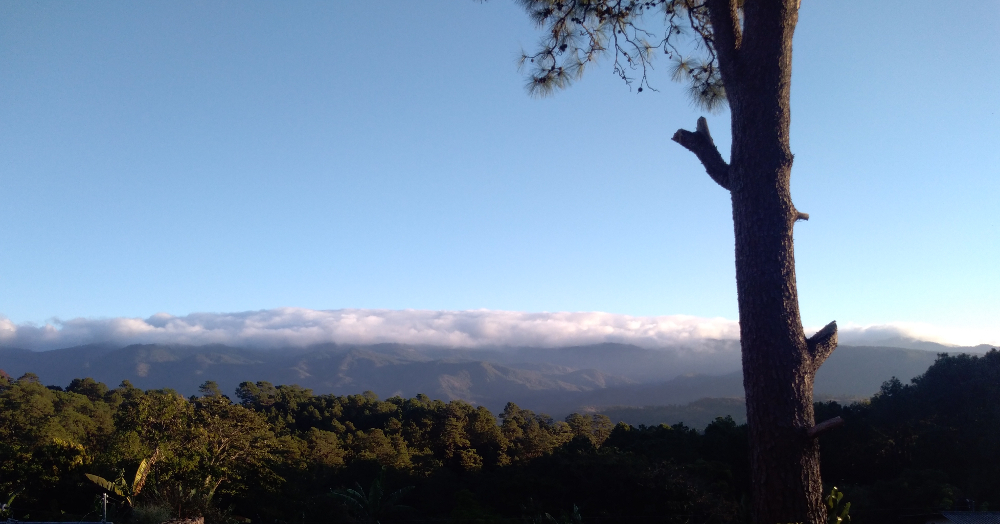
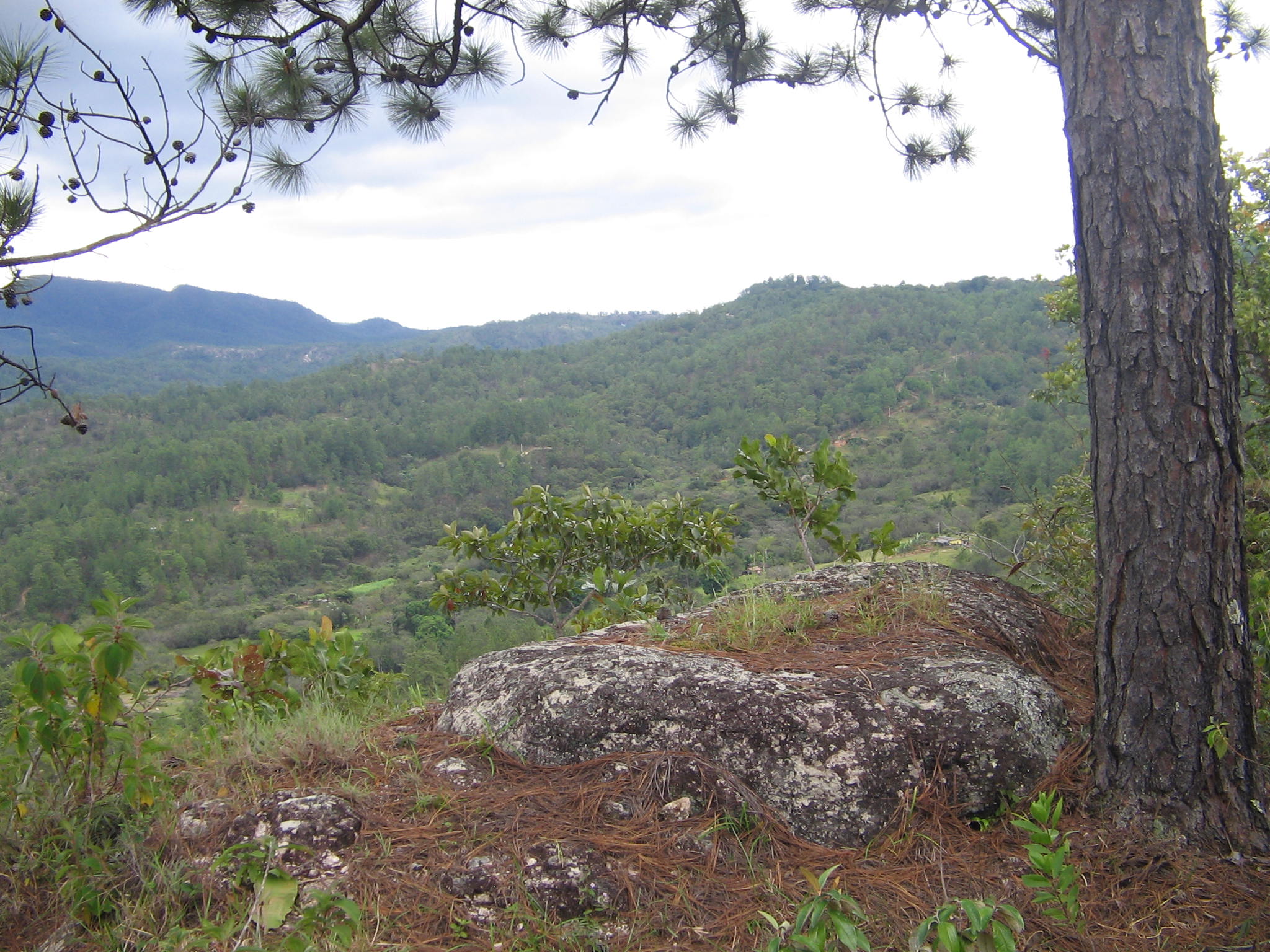
Nelo´s future lay in the hills stretching out before him. Home, which his family had been forced to flee at the beginning of the war, was not far away, nestled between those hills close to a town called Jocoaitique. Vague memories came back, of his grandfather´s cows and a dangerous bluff he was always warned of and told to keep his little brother Balmore from getting too close to the edge. Nelo was six years old when the family fled to Honduras; Balmore took sick and died just as they were preparing to leave.. Now Nelo was coming back as a man, ready to take his place in the revolutionary forces. The courses on Imperialism and Socialism and Justice and Oppression and Revolution back in the camps were okay, they gave a sense of purpose and of belonging. But the training as a radio technician became Nelo´s real passion. His quick mind and nimble fingers quickly absorbed the details and mechanics and created sense of pride in him of being able to offer a valuable contribution. It was a foregone conclusion that he would go to the Front someday. His father Milton, his grandfather, his uncle Tano and aunts were all enlisted. Even his mother Timo had done several periods as a missionary behind the lines. Uncle Tano had died in combat several years before and Nelo´s doubt could only be expressed to his younger sister. Several days before leaving the camps, he asked the six-year old, “Ena, do you think I should go the Front?” “I´m too small for that size of a decision, you’ve got to make up your own mind”, was the reply, the first person to put the responsibility back on his shoulders and the only one that did not assume that of course he would go.

Nelo´s thoughts drifted Demy, such a sweet girl, left behind in Las Vegas. Only a four-hour walk away across a few hills. So close, yet a world away. The Honduran border with its constant military patrols, which tightened even more around the Colomoncagua refugee camp, was not to be taken lightly. The soldiers had orders to shoot to kill and they had carried out those orders quite efficiently before. Nelo brought his knuckle up and briefly touched the still-smarting scratch on his right cheekbone. Demy had gone straight for his face the night before he left, those loving hands turned into vengeful claws. “I hope you die over there”, she managed to scream through her sobs. Not a favorable sendoff. The goodbyes to Carmen, Miriam and Canda had been more amicable, worthy of a departing warrior. They understood that he had to take his place as a man in the war and so they gave of their bodies and comfort so freely and unconditionally. It was the thought of Demy though that brought rueful regret, “Why doesn’t she understand, why isn’t she proud of me?” “Que Diós y la Virgin me aparta, may God and the Virgin pull me aside” he muttered, remembering Delmy´s parting curse, as he quickly crossed himself and kissed the black string crucifix around his neck.

Shaking off the remorse, Nelo brushed his hands off on his pants and dug into his pack for the macaroni bread his mother had sent along. The refugee camp had received a donation of a container full of macaroni from Italy. Apparently, in Italy all they eat is macaroni, at least that’s what the Internationalists working in the camp said. The camp kitchens, responsible for the food preparation for the some eight thousand refugees, had tried all sorts of ways to fix the macaroni to the liking of the Salvadorans. All to no avail, until someone discovered that they could be ground back into floor for bread baking. The Internationalists working in the camps had discovered another way to make the macaroni edible; they deep fat fried them and sprinkled salt on top and called them beer nuts.

In spite of being baked dry and hard, the bread was starting to go stale. Nelo contemplated going ahead and eating the parcel his mother had sent along to his aunt María. “If we don´t make it into the Front by tomorrow, I´ll dig into it” he thought, “no sense in letting it go bad”.

A shrill whirling sound shattered Nelo´s contemplation. He swiveled his head back over his right shoulder just as a blinding flash stunned his senses. A slight stinging in the mark left by Demy, the trees and rocks blending together in a drunken swirl, and Nelo felt himself spinning into a misty abyss of uncanny silence.

As the mist cleared and the sounds of battle were faintly regained, Nelo found himself some twelve feet off the ground. He could see the rest of the group scrambling through the pine trees and skidding pell-mell down the bluff overlooking the valley. The explosions from the grenades were oddly muted as they rained down on the camp site, as well as the gunfire from the advancing soldiers. Glancing down, he noticed the crumbled unmoving body of a young guerrilla. “Poor compa, he must have been hit at the beginning of the attack, never had the chance to run.” Slow realization came to Nelo as he recognized the curly head of hair, the yellow boots he had stained brown and the morsel of macaroni bread half-clutched in the bleeding hand. “Wake up, Wake up”, he screamed soundlessly at the body lying below, “Wake up, Wake up, he repeated to himself, trying to will himself out of the nightmare. The sounds of battle faded off into the distance, and with it most of the anxiety. Numbness slowly set in, as faces and memories floated in and faded out of the surrounding mist.

Feeling a presence approaching, Nelo turned to see his younger brother Balmore, excitedly pulling along his Uncle Tano through the mist, “I told you he was coming”, and turning to Nelo, “So good to see you, brother. You’re going to like it here on this side.”

– From what I’ve been able to piece together-
rab 2/20/25
La partida de Nelo

Nelo se sentó sobre una roca mirando el pequeño valle que se extendía unos ochocientos pies abajo de un barranco. Su ración de dos tortillas y un puchito de frijoles no eran suficientes para lo que su cuerpo de quince años necesitaba. Usando una tortilla como plato, Nelo hábilmente partió la otra y recogió unos frijoles, intentando que le duraran hasta el último bocado. Masticaba despacio, saboreando un toquecito de sal de un dedo humedecido entre mordidas de las duras tortillas del día anterior. Era frustrante estar aquí tanto tiempo. Para este entonces ya debería haber llegado a su puesto en el Frente, como técnico de mantenimiento de Radio Venceremos, la emisora guerrillera que mantenía a todos, amigos y enemigos, al tanto de la Guerra Civil Salvadoreña.

El guía del grupo de nuevos reclutas parecía un poco inseguro; ya era el tercer día esperando en el mismo lugar por noticias de alguien con instrucciones sobre la ruta a seguir para unirse a las unidades asignadas. Hasta la pareja de civiles que vivía a un kilómetro del camino había estado advirtiendo al guía que los soldados se estaban acercando y que debían moverse.

El futuro de Nelo se encontraba en las colinas que se extendían frente a él. Su hogar, del que su familia había tenido que huir al inicio de la guerra, no estaba lejos, escondido entre esas colinas cerca de un pueblo llamado Jocoaitique. Regresaban vagos recuerdos, de las vacas de su abuelo y de un acantilado peligroso del que siempre le advertían y le decían que mantuviera a su hermano menor Balmore alejado del borde. Nelo tenía seis años cuando la familia huyó a Honduras; Balmore se enfermó de repente y murió justo cuando se preparaban para irse. Ahora Nelo regresaba como un hombre, listo para ocupar su lugar en las fuerzas revolucionarias. Los cursos sobre Imperialismo, Socialismo, Justicia, Opresión y Revolución en los campamentos estaban bien, le daban un sentido de propósito y pertenencia. Pero la formación como técnico de radio se volvió la verdadera pasión de Nelo. Su mente ágil y dedos rápidos absorbieron al instante los detalles mecánicas, lo que le dio un orgullo inmenso por poder ofrecer una contribución valiosa. Era un hecho que algún día iría al frente. Su papá Milton, su abuelo, su tío Tano y sus tías estaban enlistados. Hasta su mamá Timo había hecho varias veces de misionera en el retroguardia. El tío Tano había muerto en combate años atrás y las dudas de Nelo solo las podía compartir con su hermana menor. Pocos días antes de dejar el campamento, le preguntó a la pequeña de seis años: “Ena, ¿crees que debo ir al frente?” “Yo soy muy chiquita para decidir eso, tú tienes que tomar tu propia decisión”, fue la respuesta, la primera en ponerle la carga de nuevo sobre los hombros y la única que no asumió que por supuesto iría.

Los pensamientos de Nelo vagaban hacia Demy, esa muchacha tan dulce, dejada atrás en Las Vegas. Solo a cuatro horas de caminata por unos cerros. Tan cerca, pero a la vez tan lejos. La frontera con Honduras, con sus patrullas militares constantes, que se intensificaban alrededor del campamento de refugiados de Colomoncagua, no se podía tomar a la ligera. Los soldados tenían órdenes de disparar y las habían cumplido con eficacia en varios ocasiones. Nelo llevó su nudillo a rozar la herida, aún ardiente, en su pómulo derecho. Demy había ido directo a su cara la noche antes de que partiera, esas manos cariñosas se habían convertido en garras vengativas. “Espero que mueras allá”, logró gritar entre sollozos. No fue un despedida amable. Las despedidas con Carmen, Miriam y Canda fueron más acogedores, dignos de un guerrero saliendo para el frente. Ellas entendieron que él tenía que ocupar su lugar como hombre en la guerra y le dieron su cuerpos y consuelo sin reservas. Pero fue el pensamiento de Demy el que le trajo un doloroso arrepentimiento: “¿Por qué no entiende, por qué no está orgullosa de mí?” “Que Dios y la Virgen me aparten,” murmuró, recordando la maldición de despedida de Delmy, mientras se hacía la señal de la cruz y besaba el crucifijo de hilo negro que llevaba al cuello.

Sacudiendo el remordimiento, Nelo se limpiaba las manos en los pantalones y buscaba en su mochila el pan de macarrones que su madre le había empacado. En el campamento de refugiados había llegado una donación de un contenedor lleno de macarrones de Italia. Al parecer, en Italia solo comen macarrones, así decían los Internacionalistas que trabajan en el campamento. Las cocinas del campamento, encargadas de preparar la comida para unos ocho mil refugiados, habían probado mil y un formas de preparar los macarrones al gusto de los salvadoreños. Todo fue en vano, hasta que alguien dio con la idea de molerlos para hacer harina para pan. Los Internacionalistas en los campamentos también inventaron otra forma de hacer los macarrones comestibles; los freían en aceite, les ponían sal y los decían nueces para la cerveza. A pesar de que el pan estaba duro y seco, ya se estaba poniendo viejo. Nelo pensó en comerse el paquete que su madre había mandado a su tía María. “Si no llegamos al Frente para mañana, me lo voy a comer,” pensó, “no hay sentido en dejar que se eche a perder.”

Un chillido ensordecedor rompió la contemplación de Nelo. Rápido, giró su cabeza hacia el hombro derecho justo cuando un destello deslumbrante aturdió sus sentidos. Un leve quemazón en la marca que le dejó Demy, los árboles y las rocas se mezclaban en un torbellino borroso, y Nelo sintió que caía en un abismo nebuloso de un silencio extraño.

Al despejarse la neblina y los ruidos de la batalla volviendo de a poco, Nelo se dio cuenta que estaba a unos tres metros del suelo. Vio al grupo de compas corriendo en guinda entre los pinos, deslizándose en desbandada por el alto barranco que daba al valle. Las explosiones de las granadas sonaban raras, como apagadas, al caer sobre el campamento, igual que el tiroteo de los soldados que avanzaban. Mirando hacia abajo, notó el cuerpo inmóvil de un joven guerrillero. “Pobre compa, seguro lo agarraron al inicio del ataque, nunca tuvo chance de escapar.” La realidad le fue llegando lentamente mientras reconocía la cabellera rizada, las botas amarillas que él había manchado de marrón y el pedazo de pan de macarrones medio aferrado a la mano ensangrentada. “Despierta, despierta”, gritó en silencio hacia el cuerpo abajo, “Despierta, despierta”, se repitió tratando de salir de esa pesadilla. Los ruidos de la batalla se desvanecieron a lo lejos, llevándose la mayor parte de la ansiedad. El adormecimiento lo envolvía, mientras rostros y recuerdos flotaban en la bruma que lo rodeaba.

Sintiendo una presencia, Nelo se giró y vio a su hermano menor Balmore, emocionado, jalandole a su tío Tano por la neblina, “Te dije que venía”, y luego mirando a Nelo, “Qué chivo verte, hermano. Te va a encantar este lado.”

-De lo que he podido recopilar-

rab 3/20/25

Regresando o avanzando?

6

¿Regresando o avanzando? (versión Español)

por Ron Brenneman

Después de treinta y seis años en Centroamérica, he decidido que es hora de seguir adelante y enfrentar el nuevo desafío de “regresar a casa”. Quizás una representación más precisa sería expandir mi área de actividad para incluir el área donde alguna vez crecí.

No tengo la intención de abandonar por completo a El Salvador, pero ahora es el momento de apartarse de las tareas operativas diarias que había asumido en mi país adoptivo. También es hora de presentar a mis hijos a su otro país.

El Salvador ha entrado en una nueva fase. El nuevo presidente lo identifica como el final de la posguerra, mientras que algunos buenos amigos, basados en la experiencia japonesa después de la Segunda Guerra Mundial, lo clasifican del comienzo de la era de la posguerra. De cualquier manera, la reciente elección presidencial salvadoreña marcó un cambio y un descenso drástico en los dos partidos políticos principales.

Tanto ARENA como el FMLN fueron creados como instrumentos de guerra. Una interminable “guerra fría” entre los dos, una continuación del conflicto establecido en la retórica de los 80, bloqueó la innovación y el progreso real como nación durante los 27 años posteriores a la firma de los acuerdos de paz. Los votantes, cansados y hartos de la situación, echaron afuera a ambos y eligieron una cara nueva.

Reflexionando sobre los resultados de las elecciones y el mensaje subyacente, me vi obligado a revisar mi propio pensamiento y participación en la educación, el desarrollo comunitario y los negocios en El Salvador. Había hecho mi hogar en el norte de Morazán, anteriormente uno de los principales teatros de la Guerra Civil Salvadoreña. Llegué a la conclusión de que gran parte de mi visión y estrategia para el desarrollo se basa en la misma mentalidad del conflicto en los años 80.

Si bien me considero uno de “los buenos”, debo aceptar que es hora de apartarse. La intervención externa sigue siendo justamente eso, independientemente de las buenas intenciones. Recuerdo una conversación encantadora hace varios años, en la que un amigo perspicaz analizó mi visión de la comunidad como el deseo de instalar una colonia menonita en Morazán. No estaba de acuerdo, por supuesto, sin embargo, la necesidad de estar al tanto del prejuicios y bagaje propio fue un punto acertado.

La era del cambio en El Salvador, de nuevas visiones e ideas, debe tener su propio espacio para prosperar y debe ser respaldada, pero de tal manera que permita un liderazgo local auténtico y un desarrollo institucional natural. Durante demasiado tiempo, los modelos y estándares externos se han considerado ideales. Confío en que, hasta cierto punto, esos modelos obsoletos también sufrieron una paliza en las elecciones.

Antes de colmarme de elogios por tal previsión y pensamiento avanzado, confesaré que fue un recordatorio de mi propia mortalidad, en forma de insuficiencia cardíaca grave, que me puso en este modo reflexivo tan profundo. Este tipo de recordatorio nos convierte rápidamente en sabios filósofos.

La Fundación Perkin para el Fomento de Oportunidades Educativas (PEOF) y el Centro de Desarrollo Integral Amún Shéa se han convertido en instituciones sólidas durante los últimos doce años. A partir de esa escuela de una sola aula en 2008, se han convertido en un programa con un impacto tangible positivo en la educación pública, especialmente en el departamento de Morazán.

Las alianzas y los acuerdos con organizaciones gubernamentales y no gubernamentales en áreas estratégicas de interés para desarrollar, como la agroecología, la ciencia y la tecnología y la restauración de bosques, amplían el puente que se está construyendo entre el desarrollo y la educación pertinente.

El programa tiene raíces sólidas y confío plenamente en el equipo capaz de directores ejecutivos que han asumido la responsabilidad, no solo de mantener sino de ampliar la influencia y el impacto de PEOF y Amún Shéa en El Salvador. Si bien mantendré un nivel de aportes con la planificación estratégica y la recaudación de fondos, las operaciones diarias, la administración y la implementación serán gestionadas por el equipo del Directores Ejecutivos.

A nuestros leales socios y partidarios, les pido que continúen y redoblan su valioso apoyo a PEOF y Amún Shéa. Con ello, confío en que el programa florecerá y continuará generando cambios positivos, y más aún como una solución local auténtica para los problemas que enfrenta un nuevo El Salvador.

Recuerdo conversaciones con varios de ustedes durante los últimos años sobre lo que sucedería cuando ya no estuviera cerca del proyecto. La pregunta siempre presente era si el programa era solo el proyecto de Ron o si realmente se enraizaría por sí solo. Una transición iniciada de esta manera realmente tiene muchas más posibilidades de éxito que una salida repentina y dramática.

Como familia, actualmente estamos trabajando en los trámites burocráticos para llevarnos a todos a la costa este de los Estados Unidos, al estado de Delaware. Realmente es un gran reto esto de simplemente levantarnos e irnos. Por lo que he vislumbrado hasta ahora, poco es lo mismo que cuando me fui en 1983. Aunque en muchos sentidos parece que empezamos desde cero, la familia y los amigos forman un puente importante sobre la brecha del tiempo y la distancia. Aún no estamos seguros de lo que haremos, pero la pesca, la hortaliza, la carpintería y los frijoles lima están dentro de las posibilidades.

Educación con un Objetivo

Application

Educación con un Objetivo

La educación es relevante en la medida que deja al estudiante equipado para la plena participación productiva y social de su entorno, capacitado para innovar dicho entorno y motivado para excursionar más allá de sus horizontes.

Necesitamos definir el objetivo de la educación, en cuanto si es para formar buenos estudiantes ó para mejorar la productividad y calidad de vida en el país. Mantenemos que el rendimiento académico es importante sólo en su aplicación al entorno y como soporte para la formación técnica eficiente y pertinente. El debate continuo sobre las bajas notas académicas en las pruebas estandarizadas tiene sentido solo en la medida que éstas pueden mejorar las capacidades laborales y sociales del estudiante.

El objetivo de los doce años de educación básica y media debería ser formar con capacidades personales y técnicas para la inserción laboral, autoempleo o especialización con estudios superiores. Y la oferta educativa debe responder a las condiciones de oportunidades reales presentes en el entorno del estudiante.

Para el entorno del norte de Morazán, la inserción laboral de un bachiller técnico tiene tres posibilidades: fortalecer la capacidad instalada de las asociaciones productivas, lograr uno de los limitados puestos en la industria turística, ó el autoempleo. La escasez actual de puestos de trabajo de comercio, manufacturero y procesamiento en el entorno nos lleva a establecer una prioridad en la formación técnica para el autoempleo.

Los enfoques técnicos más indicados para el norte de Morazán son en las áreas de Producción, Comunicaciones, Comercio e Ingeniería. Proponemos que todo estudiante debería pasar por un Bachiller Técnico Vocacional (BTV) de uno de éstas áreas aún y cuando decide por estudios superiores.

La base formativa de las áreas técnicas deben ser incorporados plenamente en el currículum académico, por medio de las competencias metas, las actividades de aplicaciones y los indicadores de logro. La educación básica debería incorporar elementos de los cuatro áreas ( Producción, Comunicaciones, Comercio e Ingeniería), dejando a cada estudiante, por decisión propia o capacidad nata, optar por desenvolverse en una área en particular. La educación media, con el BTV, llevará un nivel de especialización en una de éstas áreas que permite la inserción plena productiva y social.

Necesitamos superar la división entre educación y desarrollo. Actualmente, el sistema educativo se lava las manos con la graduación del estudiante, quedando con la responsabilidad de proveer y constar títulos y notas, no así dar seguimiento a la inserción productiva del estudiante. Una vez graduado, sin embargo hay una amplia gama de oferta de capacitaciones productivas y cursos formativos para adultos de organizaciones nacionales y internacionales.

El reto es incorporar los conceptos y las técnicas productivas en el currículum escolar para volver relevante a la educación básica y media. Así las capacitaciones posteriores tendrán el efecto de especialización sobre una base sólida de formación técnica y no de empezar de nuevo. Recordamos que los años escolares son el periodo de mayor capacidad de absorber, procesar información y aprendizaje en el ser humano. No se puede desperdiciar semejante oportunidad en una rutina irrelevante para el graduado en el mundo real.

Si los deseos fueran peces…

evening sky

Si los deseos fueron peces … o lo que desearía fueron los puntos de discusión en el debate sobre inmigración.

..traducido de If wishes were fishes para mis amigos y amigas, con mucho aprecio y respeto. Disculpan el espanglish, eh?

Si la construcción de una solución realmente fuera parte del debate actual sobre la inmigración, deberíamos estar considerando estrategias y acciones de largo plazo que disminuirían la presión para emigrar y atenuar el atolladero que solo sirve para avivar las llamas del conflicto político.

Como publiqué en julio de 2014 en Competencia Política, “La situación de los niños es, de hecho, muy real. Pero, ¿hemos tenido parte en la creación de la crisis porque nos negamos a responder a cualquier otro estímulo? “Parece estar claro que no hemos progresado en este aspecto.

Confieso mi vacilación para entrar en la riña sobre este tema en este momento, dado el tono emocional que ha alcanzado. Sin embargo, y en contra de todo buen juicio y consejo, me veo obligado a hablar sobre el tema de la inmigración, una vez más, y desde mi perspectiva particular. A modo de introducción, mi punto de vista proviene de vivir y trabajar durante los últimos 35 años en El Salvador, 22 de esos años en el norte de Morazán, un importante punto de origen para la migración ilegal a los Estados Unidos. Tengo amigos y ex empleados que han tomado esta ruta hacia el norte en busca de oportunidades y conozco niños que han pasado por las jaulas en la ruta para reunirse con sus padres.

Necesitamos urgentemente comenzar a buscar alternativas a la inmigración ilegal tradicional. El Programa de Guest Worker (Trabajadores Invitados) actual es un buen lugar para comenzar. ¿Por qué no estamos buscando cómo modificar ese programa para beneficio mutuo? Todos los que conozco, sin excepción, han ido a los EE UU con la idea de encontrar un empleo remunerado durante algunos años y regresar a casa. El programa actual está limitado en alcance y duración. A medida que mejore la economía de los EE UU y disminuya el desempleo, el mercado de trabajo tenderá a abrirse, con oportunidades en la construcción, manufactura y otros servicios (considero que el campo de atención para personas mayores es una oportunidad real). ¿No podríamos negociar mejores condiciones y luego preparar a técnicos capacitados para industrias específicas? El objetivo del Programa de Guest Worker es permitir la entrada de aquellos necesarios para la industria, pero con garantía que no se mantendrán indefinidamente. Tener un trabajo en esas condiciones y poder viajar libremente para ver a la familia en casa reduciría en gran medida tanto el estatus de inmigración ilegal como la consecuente fractura de las familias, lo que motiva el envío de menores no acompañados en el extremadamente peligroso viaje hacia el norte.

El otro punto central bastante obvio es revisar las condiciones en el país de origen, en este caso El Salvador, que provocan altos niveles de migración ilegal. La falta de oportunidad económica, la violencia de las pandillas y la extorsión se citan como factores principales para tomar la decisión de ir al norte. El reciente anuncio de Jeff Sessions, el Fiscal General de los Estados Unidos, de que la violencia doméstica y de pandillas generalmente no sería aceptada como fundamento para los casos de asilo básicamente ha cerrado la vía que ha sido la principal motivación más reciente para la migración. Esto devuelve la responsabilidad de esas condiciones directamente al gobierno salvadoreño.

Si bien las décadas de intervención externa en América Central han cobrado un alto precio en vidas, soberanía depuesta y corrupción institucionalizada, debemos superar la etapa de victimización que tiene un dominio absoluto en toda la región. Se podría argumentar que la “guerra fría” de los 80 realmente persiste, con diferente intensidad, tácticas y jugadores. La autodeterminación parece estar fuera de alcance, incluso a la luz de los programas de “desarrollo”. Parecería que la mayor aspiración permitida a El Salvador es convertirse en el vendedor callejero de artesanía en el mercado mundial.

Dentro de este contexto, realmente temo que el problema de la inmigración en la frontera sur de EE UU no sea más que un peón en el juego más grande. Debemos reconocer que esto se desarrolla en un contexto más amplio de lo que claramente es una guerra total entre el globalismo y el nacionalismo. Esto es una ocurrencia natural; el péndulo de la civilización oscila en una dirección y luego en la otra. El presidente Trump es una manifestación importante, pero no la única, de este cambio mundial en la dirección hacia el nacionalismo. El cambio es natural, pero no sin oposición, ya que muchas instituciones y órganos rectores se han fundado en principios globalistas y, por lo tanto, luchan por su propia existencia.

El otro factor que acompaña a este fenómeno es el cambio en los criterios con referencia a la aplicación de la ley. En general, la tendencia globalista parece inclinarse hacia una interpretación y aplicación más amplia y flexible de los criterios de la ley, mientras que el nacionalismo se apega más al “imperio de la ley”. Vemos esto jugando en la retórica pública estadounidense, durante la discusión sobre la marihuana, la investigación interno de Departamento de Justicia y ahora con el tema de la inmigración.

Uno esperaría que el concepto de “imperio de la ley” se corta en ambos sentidos en este cambio de posicionamiento global, ya que la última serie de intervenciones estadounidenses en Honduras (el golpe de 2009 y otras intromisiones electorales) ha contribuido directamente al problema de la inmigración ilegal.

Entonces, si los deseos fueran peces, estaríamos examinando la responsabilidad compartida entre las naciones, con reglas claras, pasando de la victimización a la autodeterminación, y trabajando para mejorar las condiciones socioeconómicas en El Salvador, así como en otros países centroamericanos.

Hay que elegir entre defender “cómo han sido las cosas siempre” o posicionarnos para prosperar bajo nuevas condiciones globales. Debemos ser proactivos y estar dispuestos a negociar. Sobre todo, debemos abandonar el juego de asignar culpa que nos atrapa en una espiral descendente sin fin, incluso cuando tenemos toda la convicción de la verdad.

La frontera que más me llama la atención es el río Torola. Las familias se rompen a diario cuando un padre o madre deja el norte de Morazán para buscar oportunidades de trabajo en otro lugar. Los jóvenes huyen cuando su nombre aparece en una lista de exterminio, tal vez con razón, tal vez no. Las dificultades económicas ocurren cuando las personas pagan un sobreprecio de hasta 15 veces más de lo que usted y yo pagamos por un boleto de avión para hacer el viaje. No todos logran sobrevivir el viaje. La mayoría de las mujeres pagan extra con sus cuerpos y su dignidad. Una vez allá, viven en las sombras, sin derechos ni estatus legal. Lo siento, pero esa es la realidad de cómo opera la inmigración ilegal. ¡Esa no es la solución por más que se retuerza a la imaginación!

Si los deseos fueran peces … estaríamos construyendo soluciones.

Ron Brenneman

If wishes were fishes…

IMG_0235

If wishes were fishes.. Or what I wish were the talking points in the immigration debate.

If building a solution is actually to be part of the current debate on immigration, we should be looking at long term strategies and actions that would diminish the pressure to migrate and lessen the quagmire that only serves to stoke the flames of political conflict.

As I posted in July 2014 in Politically Competent, “The “plight of the children” is in fact very real. But have we had a part in creating the crisis because we refuse to respond to any other stimulus?” It would seem to be clear that we have not progressed in this respect.

I do confess my hesitancy to enter in the fray on this issue at this time, given the emotional pitch it has reached. Nevertheless, and against all better judgement and council, I am compelled to speak to the immigration issue, once again, and from my particular perspective. By way of introduction, my point of view comes from living and working during the past 35 years in El Salvador, 22 of those years in northern Morázan, a major point of origin for illegal migration to the USA. I have friends and former employees who have taken the route north in search of opportunity and I know children who have gone through the cages on route to reunite with their parents.

We sorely need to start looking at alternatives to traditional illegal immigration. The current Guest Worker Program is a good place to start. Why are we not looking how to modify that program for mutual benefit? Everyone I know, without an exception, has gone to the USA with the idea of finding gainful employment for a few years and to return home. The current program is limited in scope and in duration. As the US economy improves and unemployment drops, the job market will tend to open up, with opportunity in construction, manufacturing and other services (I see the senior care field as a real opportunity). Could we not negotiate better conditions and then actually prepare trained technicians for specific industries? The objective of the Guest Worker Program is to allow for the entry of those needed for industry but to guarantee they will not being staying on indefinitely. To hold a job under those conditions and to be able to travel freely to see family at home would greatly reduce both illegal immigration status and the ensuing fracturing of families which motivates the sending of unaccompanied minors on the extremely dangerous journey north.

The other rather obvious pivotal point is looking at the conditions in the home country, in this case El Salvador, that provoke high levels of illegal migration. Lack of economic opportunity, gang violence and extorsion are cited as major factors in making the decision to go north. The recent announcement by Jeff Sessions, the US General Attorney, that domestic and gang violence would generally not be accepted as grounds for asylum cases has basically closed down the avenue that recently has been the most recent major motivation for migration. This returns the responsibility of those conditions squarely back on the Salvadoran government.

While decades of outside intervention in Central America have taken a heavy toll in lives, deposed sovereignty and institutionalized corruption, we must get past the victimization stage which has a stranglehold on the entire region. It could be argued that the “cold war” of the 80s actually lingers on, with different intensity, tactics and players. Self determination seems out of reach, even in the light of “development” programs. It would appear that the highest aspiration allowed of El Salvador is to become the artesian street vendor in the world market.

Within this context, actually I fear the immigration issue at the US southern border may be no more than a pawn in the larger game. We must recognize that this is playing out in a broader context of what is clearly an all out battle between globalism and nationalism. This is a natural occurrence; the pendulum of civilization swings in one direction and then the other. President Trump is a major, but not the only, manifestation of this world wide change in direction towards nationalism. The change is natural but not unopposed, as many institutions and governing bodies have been founded on globalist principles and thus are fighting for their very existence.

The other factor accompanying this phenomena is the change in criteria with reference to application of law. In general, the globalist tendency seems to lean towards a broader interpretation and application of criteria of law, while nationalism holds more to “rule of law”. We see this playing out in the public rhetoric, during the discussion regarding marijuana, the DOJ investigation and now with immigration.

One would hope that the “rule of law” concept cuts both ways in this changing global positioning, as the latest series of US interventions in Honduras (the 2009 coup and other election meddling) have directly contributed to the illegal immigration problem.

So, if wishes were fishes, we would be looking at dual responsibility between nations, with clear rules, getting past victimization into self determination, and working towards improving social economic conditions in El Salvador, as well as other Central American countries.

The choice must be made between making a stand for “how things have always been” or positioning ourselves to prosper under new global conditions. We must be proactive and be willing to negotiate. Above all, we must abandon the blame game which traps us into a never-ending downward spiral, even when we hold the conviction of truth.

The border that has my attention is the Torola River. Families are broken on a daily basis as a parent leaves northern Morazán to find work opportunity elsewhere. Young people flee as their name shows up on an extermination list, perhaps by reason, perhaps not. Economic hardship occurs as people pay up to 15 times what you and I pay for a plane ticket to make the trip. Not all make it through alive. Most women pay extra with their bodies and dignity. Once there, they live in the shadows, without rights or legal status. Sorry, but that is the reality of how illegal immigration operates. That is no solution by any stretch of the imagination!

If wishes were fishes… we would be building solutions.

Ron Brenneman


Cause and effect- the migration problem

North Morazan

The north of Morazán, in the mountainous north-east of El Salvador is hands down the most beautiful place in the world. Yet it has one of the highest rates of migration in the country of young people seeking opportunity elsewhere. Many are in the USA, most with no legal status to be there.

Why, you would ask, would anyone in their right mind leave the most beautiful place in the world and leave family and children behind to live in the shadows in a foreign land where they are not fully welcome.

Leaving politics aside, where all positions may be justified, let us take a look at cause and effect. The north of Morazán was a free fire zone during the Salvadoran civil war, causing 100% displacement of the civilian population and complete destruction of productive infrastructure. As a volunteer during the 80s in the Colomoncagua refugee camp, across the border in Honduras, I watched the daily bombing runs of Dragonfly jets over Morazán, part of the one million dollars a day in USA military aid to El Salvador. This period marked the beginning of the migration problem, which continues today given the failure of post-war reconstruction in providing economic opportunity.

Regarding President Trump’s remark that the USA should only accept the best, I would argue that we need them here. Our brightest and best went to war in the late 70s and most were killed or maimed. They continue to leave today in search of a means to care for their families. We need to create conditions that allow the brightest and best to stay here and build Morazán into its full potential.

Morazán was not destroyed in one day. It took a decade of pounding and a lot of resources to do it. It will take some time, resources and determination to reach our goal of prosperity.

Amún Shéa is focused on assisting the creation of that reality in which  the brightest and best may prosper and thrive here at home and migration is no longer the only option. It is no magic formula and offers no quick political solution. It is an arduous task, one step at a time, one student at a time, often seemingly against the current.

Public policy is important, but if you would like to join us on the groundwork, building change from this remote territory, we would more than welcome you.

Thank you
Ron Brenneman


Building the Great Wall

There is certainly much ado regarding the construction of a wall on the border of the United States with Mexico. Known primarily as the Great Wall or Trump’s Wall, the objective is to stop undocumented movement through the southern border.

As with most politically motivated projects, this proposal has created tremendous emotional reactions, both pro and con. In an emotionally charged debate such as this, everyone on both sides of the issue is absolutely convinced they are right. The emotions of this debate are fostered by frustrated illusions on the one hand and fear of unpleasant changes of lifestyle on the other. There is little effort put forth by either side to inject a bit of objectivity into an analysis of the situation. It is within this continuing disorder that a parasitic industry of traffickers, lawyers, jailers, and unscrupulous employers rake in tremendous profits. Many special interests are involved, some representing very powerful financial pursuits and a very few working for a solution.

If the answer to the problem of controlling illegal migration is to be reduced to simply putting an obstacle in the way, that is to build a wall, it is doomed to failure from the start. Actually it would likely result in strengthening the same parasitic industry of human trafficking by provoking an increase in the fare paid for transportation as they become more creative in their methods.

If we are able to overcome the emotional part of the discussion, perhaps we can come to the same conclusion as the American poet Robert Frost, when he wrote, “Good fences make good neighbors.” That is to say we need some order in the backyard and a clear definition of the boundaries in order to avoid a constant dispute with the neighbor. Remember that a good fence serves in both directions. In looking at El Salvador and the USA, it is clear that a case may be made for mutual accusation of invasion and abuse in recent history. It is also very clear that neither party has been represented by its most favorable spokespersons in this exchange. Fear is not a good advisor to either party. In order to move forward, we must quiet emotions, identify appropriate counterparts and start dealing with this in an objective manner.

In most cases, the decision to set off on the journey to the USA is made with the perception that it is the only option to obtain a decent livelihood. It is not a decision taken lightly. Loved ones are left behind, knowing that some will never be seen again, and children are left with grandparents. The sale of land or debt incurred provides the veritable fortune demanded by the trafficking industry. This is reality for, and is the decision made daily by, dozens of men and women in villages and hamlets throughout El Salvador. We often ask how it is possible that they are willing to give up so much and to risk life itself under such adverse conditions when it is compared to the option of investing a modest amount in their own country. The answer is very simple. The confidence factor. There is little confidence that conditions in the country can actually provide a secure enough opportunity to motivate such an investment.

Following the illusion of the “American Dream” requires a high level of courage and sacrifice. It also demands resignation! This combination forges a determination that will not be interrupted by concrete walls or razor wire. To put this in perspective, most are already paying 20 times the cost of an air ticket, and in addition, are willing to risk their very essence and being on a route fraught with inconceivable dangers. Can any wall actually contain this level of determination?

The only wall feasible for containing the migratory flow from El Salvador to the United States is one that makes it more attractive to stay here than to leave. It must replace the “American Dream” with the “Salvadoran Sueño”. It must be a wall that displaces the perception of migration as the only real economic option. That is a wall built of opportunity, in El Salvador.

The foundation of this wall must be an integrated educational program that prepares the young with a proactive attitude and sense of responsibility, real life skills and opportunities for achievement. This implies a true technical-professional preparation and scientific focus in the development of a new enterprises and technologies. The wall itself must incorporate innovation, investment and open access to all technical information and productive processes. The top of this barrier must be a public policy that motivates initiative and protects local and individual economic activity from outside intervention.

So, let’s come together and build this Great Wall. Let’s create the Salvadoran Sueño that keeps our talent here through a solid program of training and opportunity and keeps your opportunists on your side of the fence.

The practical issue that comes to mind of course, is the cost. Who is going to pay for all of this? A very good question and one which deserves serious discussion. A good question to start with is, who is paying now for the disorder? The information on security and protection costs is readily available for review and is staggeringly high. As an example, in 2015 the daily cost for holding a minor in custody for illegal border entry into the USA was $252. That amount would pay a full scholarship for 45 students at Amún Shéa, a private innovative problem-based learning program in Morazan, El Salvador, which is an area of extremely high migration. Does a 45 to one ratio sound like a good investment?

Mr. Trump, you are a businessman and fully understand the difference between an investment and wasted expenditure. Let’s make a deal and work together on building a wall of education and opportunity that works for both of us. If we accept that good fences (walls) make good neighbors, then great gates may be built as well, wide open and welcoming, making us even better neighbors!

Creating victims

IMG_8656

Jose
You were a hero, a real-life hero,
a sparkle in your eye, a swagger in your walk,
scarred inside and out; twenty years of war carried with quiet pride;
self-assured, confident and able, a real-life hero; great to be around that sparkle in your eye.
oh but then, offered rights and restitution, you traded in your sparkle and your swagger
suddenly a victim…
complete with the victim slouch and slur and gaze
all within your rights, Jose, all your choice
but I miss the hero and the sparkle in your eye.

Rights and restitution for those who have suffered wrongdoing is a noble endeavor. Unfortunately, gaining access to those rights often requires reliving trauma and assuming an idealized victim pose. Financial compensation becomes the all-encompassing goal and remedy, with a little “that will show them” punishment against the aggressors thrown into the mix. While that compensation may be gained (or may remain a promise), the question as to the long-term impact of this victim conversion process on the quality of life of each hero should not continue to be ignored.

-and to those friends who will speculate on the identity of “Jose”, this is a composite of this behavioral phenomenon I have observed over the years and does not apply to a particular individual.-