The Mandate of Education in Development

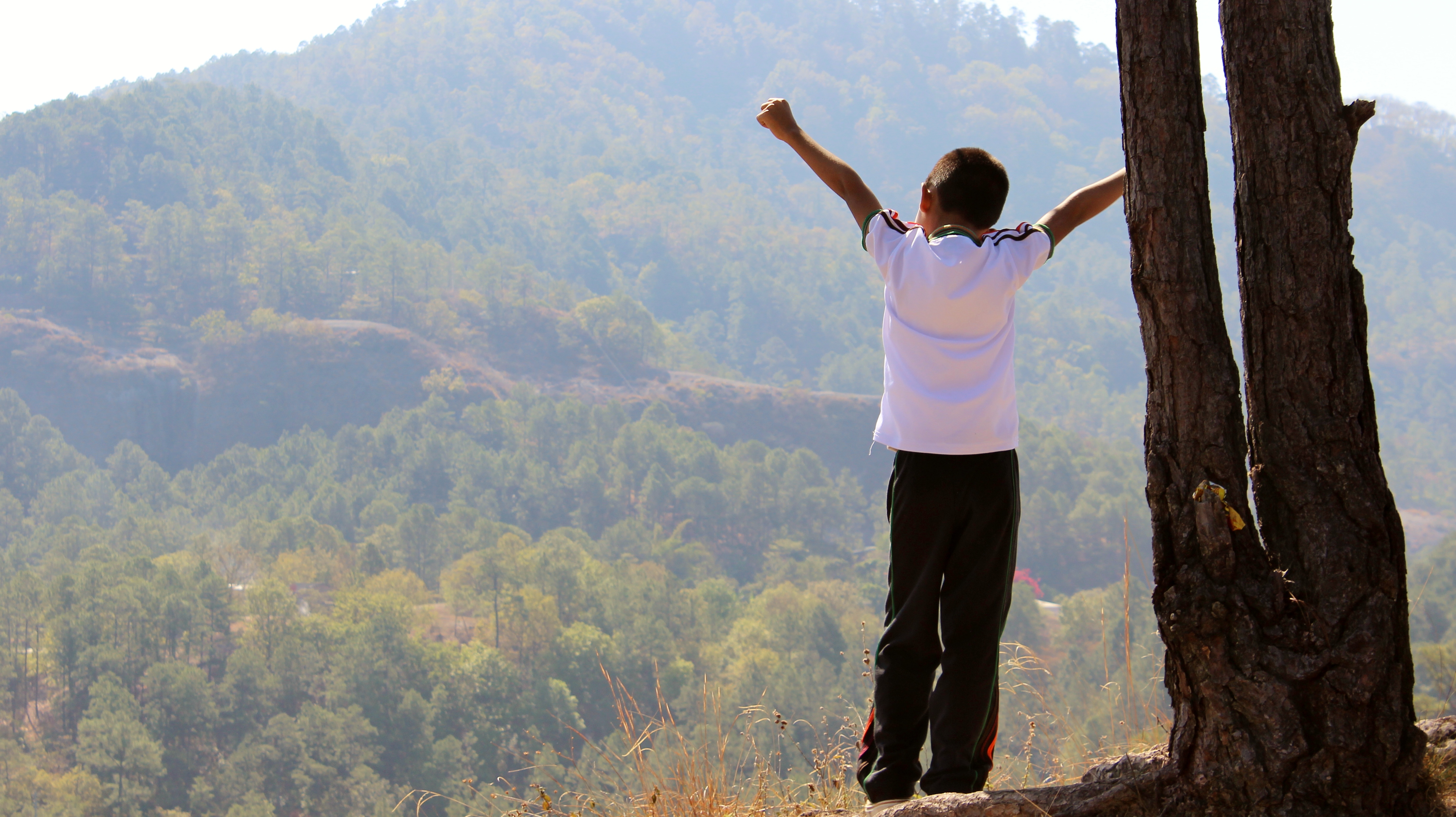
Niño brazos en alto

Education has a mandate in socioeconomic development! Especially in economically unstable regions, the implementation of new productive endeavors or innovative methods requires a time consuming learning process. In underdeveloped regions of the world, much of the effort of outside experts is consumed in teaching basic concepts and simple mathematic operations instead of implementing the necessary modernization.

Typically, these development projects are implemented in close proximity to a local school. These schools, as part of the “formal educational system” use standardized lessons which are often completely divorced from community needs and employment opportunities. This void easily reaches a point where the focus on the hypothetical leaves students unprepared for real-world situations. This situation actually disempowers people and generates passivity in the face of personal and shared challenges.

The mandate is to bridge this gap between education given and the knowledge needed, if we are to see positive change in socioeconomic statistics. A first step is to merge the activities of education and development so that obstacles to growth become areas of study in the school. Next, outside technical assistance must be made available through the school, which amplifies coverage, lessens time spent on basic concepts and takes advantage of potent youthful energy. This merging of activities enhances the quality of each by providing purpose and motivation for each.

Unfortunately, the intent of creating equal opportunity through the standardization process, while claiming different degrees of success in different places, in general failed completely throughout economically stagnant regions of the world. The wholesale training of an employee class, and then sending them out into a jobless situation, is counterproductive. Opportunity lies in entrepreneurship and the application of creativity to specific local circumstances.

Amún Shéa, a school in the Morazán province of El Salvador, has accepted this mandate and has taken on the challenge of merging education and development. It is a unique but proven educational project, designed to combat the self-perpetuating underdevelopment that is endemic to the region. It is working to stop this repetitive cycle through human development which focuses on changing attitudes, building real-world skills and creating opportunity for realization of hopes, dreams and goals.

It is gratifying and provides hope to see endeavors similar to Amún Shéa developing quietly throughout the world. It makes the future brighter. Be a part of it!
Educación, pobreza y estatus quo

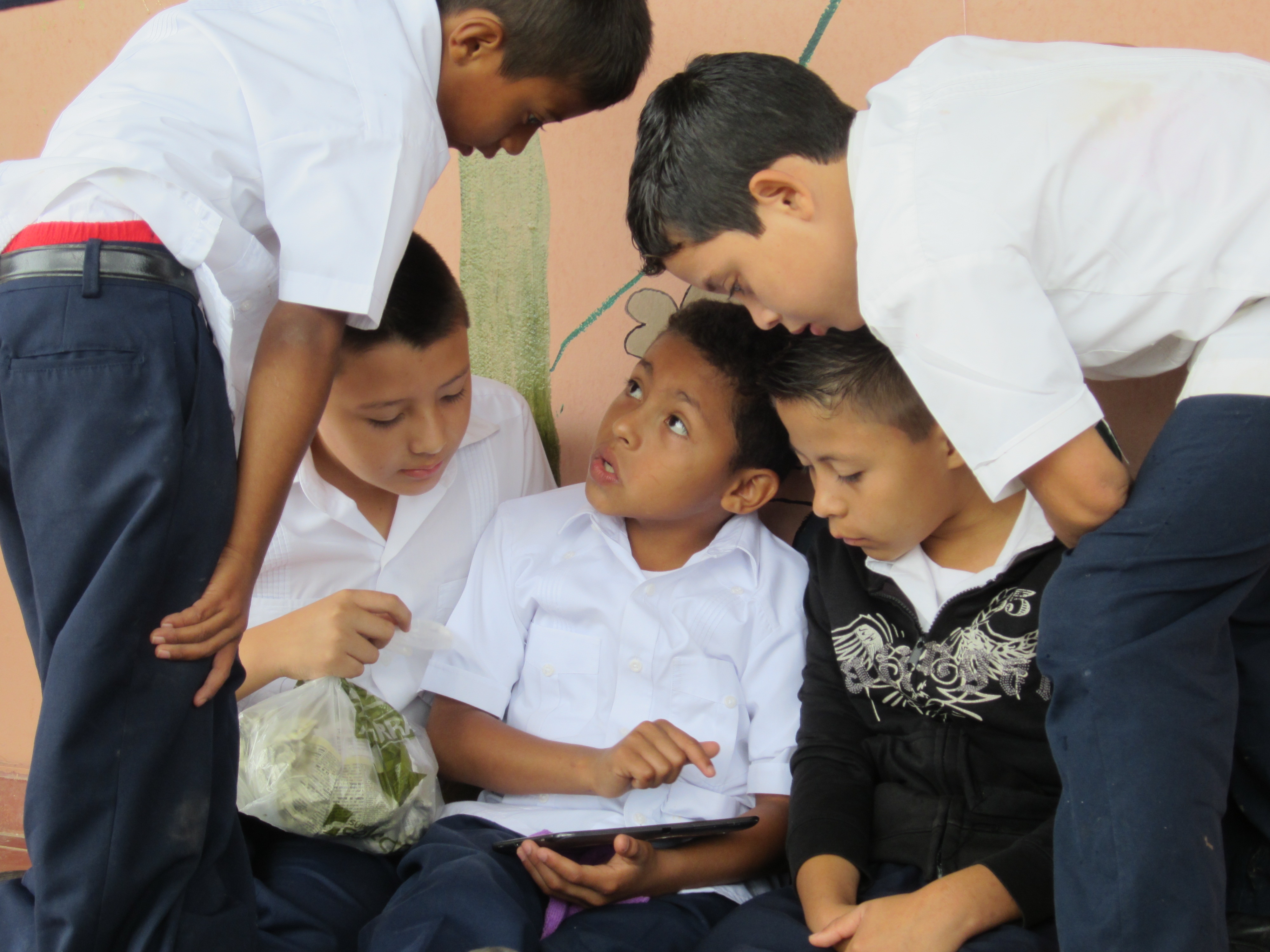
IMG_7893 (1280x855)

Llegar a distinguirse como la zona más pobre del país, tanto a nivel económico como en lo académico, no es tarea fácil. Lleva años, incluso décadas, muchos pasos progresivos para lograrlo y aún más trabajo para mantenerlo. Se manifiesta en actitudes, en conformismo y una paradójica combinación de resentimiento y resignación. Se expresa en el estatus quo y lejos de motivar la búsqueda de alternativas de salida de la pobreza, se induce una fuerte resistencia a cambio. En un mundo de incerteza y temor, el saber tu puesto y rol provee un sentido de seguridad, aún y cuando tu puesto se encuentra en el último lugar. Éste es la situación actual en el norte de Morazán, en el nor-oriente de El Salvador.

La división de los roles y la plena aceptación de ellos entre todos los actores son factores determinantes en mantener el estatus quo. La automatización de los procesos sociales resulta en la aceptación de ser siempre la “población beneficiario” para los organismos de la Industria de la Pobreza y de un entendimiento tácito en cuanto el reparto o distribución de esta cooperación.

La intromisión de elementos, instituciones o conceptos ajenos del “entendimiento” es causa de gran preocupación. Peor aún son los que apuntan a efectuar cambios estructurales que podrían modificar la percepción o imagen de “pobres, víctimas y dignas.”

En 2008, iniciamos el Centro de Desarrollo Integral, Amún Shéa, como un sistema educativo diseñado para responder a las necesidades socioeconómicas de la zona. Como esperado, el programa inmediatamente se llamó la atención, tanto de padres y madres quienes lo vieron como una opción viable para mejorar el futuro de sus hijos, como de algunos que lo vieron con desconfianza, con temor que vendría a complicar el estatus quo. Como expresó un miembro de consejo municipal local, “la capacidad de gestión de este proyecto va a absorber un porcentaje desproporcional de la ayuda internacional designada a la zona.”

Metodología nueva que no contiene “los básicos” de la educación tradicional es rechazada automáticamente, aunque se acepta que el sistema actual de educación en Morazán es un fracaso. Es cierto que incluso los padres y madres que apoyan el programa tienen dificultad midiendo el progreso de su hijo o hija por medio de estándares tradicionales, hasta que aprendan nuevas sistemas de evaluación. La experiencia demuestra que nuestro programa funciona, que es efectivo y que cuenta con resultados positivos tangibles. La asimilación de la comunidad, mas sin embargo, es un proceso retrasado por el estatus quo.

El punto es, para que un programa educativo o cualquier otro programa sea exitoso en crear cambios reales; primero debe superar la inercia del estatus quo que permea los estratos sociales, incluso a los que aparentemente apoyan el cambio y la erradicación de la pobreza.

Education, Poverty and Status Quo

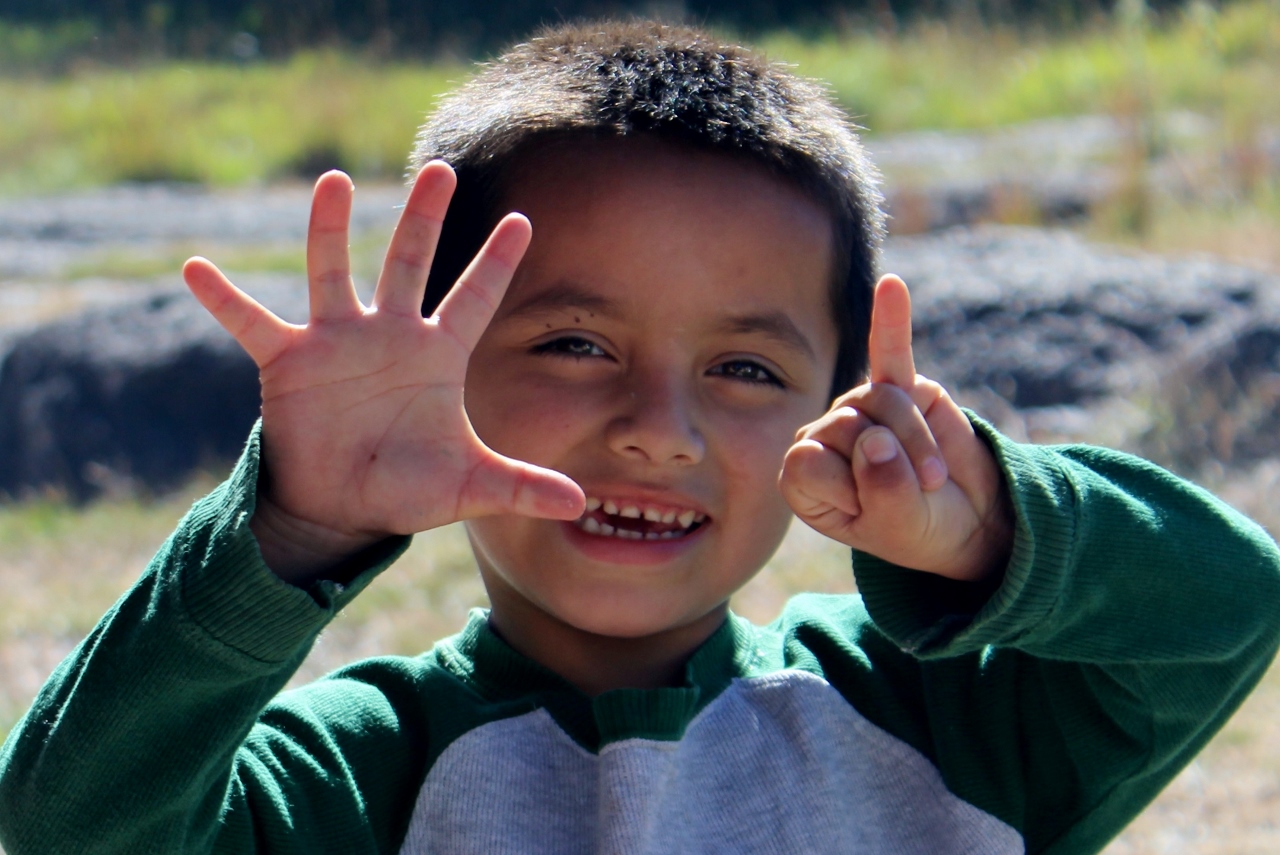
IMG_0201

Gaining distinction as the poorest area in the country, both in economic terms and academic achievement, is not an easy task. It takes years, even decades and many progressive steps to achieve it, and even more work to maintain it. It is manifested in attitudes, in conformity and a paradoxical combination of resentment and resignation. It is expressed in the status quo and far from motivating the search for alternatives out of poverty; it actually induces a strong resistance to change. In an uncertain, fearful world knowing your place and your role provides a sense of security, even when that place is last place. This is the current situation in northern Morazán, in north-east El Salvador.

The division of roles and full acceptance of them among all players is the determining factor in maintaining status quo. The automation of social processes results in the acceptance of always being the “beneficiary population” for entities of the Poverty Industry and a tacit understanding with regard to the distribution of the provided resources.

The intromission of elements, institutions or concepts foreign to the “understanding” is cause for great concern. Worse yet are those that focus on developing structural changes which could modify the perception or image of the “poor and dignified victims.”

In 2008 we started Amún Shéa, Center for Integrated Development, as an alternative educational system designed to address the socioeconomic needs of the area. As expected, the program immediately drew attention to itself, both from parents seeing it as a viable option for bettering their children’s future and by those who looked at it warily, fearing that it would disrupt the status quo. As one local council member expressed, “the fundraising capacity of this project, will absorb a disproportionate share of international cooperation designated for the area.”

New methodology which does not contain “the basics” of traditional education is automatically rejected, although it is generally accepted that the current educational system in Morazán is a failure. Even parents supportive of the program have difficulty measuring their child´s progress by traditional standards, until they learn new systems of evaluation. Experience shows that our program works, is effective and has tangible positive results. Assimilation within the community, nevertheless, is a process delayed by status quo.

The point is, for an educational program or any other program to be successful in creating real change; it must first overcome the inertia of status quo which permeates social strati, including those seemingly supportive of change and poverty eradication.

De la Realidad hacía lo Ideal

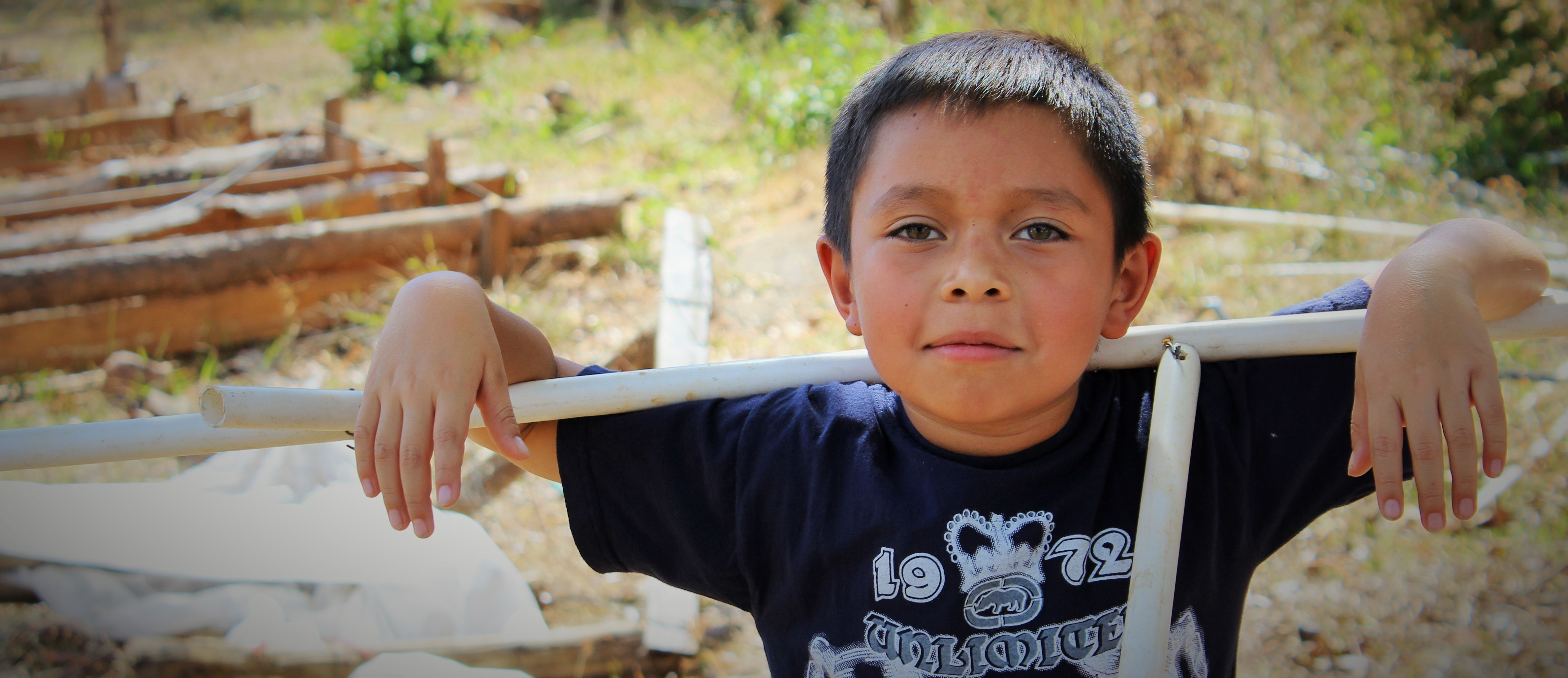
Boy with Pipe banner 44Es muy fácil clavarnos en un debate sin fin sobre la educación, si no nos ubicamos primero referente al ángulo o punto de vista representado. La brecha entre la realidad, más bien entre las variadas realidades según circunstancias y ubicación, y lo ideal se duplica muchas veces en la discusión.

Como me dijo un amigo, Menno, hace ya unos veinticinco años atrás, “todo plan es perfecto sobre papel; el problema es que depende del hombre para implementarlo.” Coincido totalmente con Menno, en que todos los proyectos y reformas educativos son perfectos, hasta son ideales, pero hasta el momento de su aplicación. He aquí la razón del enfoque e importancia que da el PNUD y otras instancias sobre el desarrollo humano, ya que es el elemento que determina el éxito o fracaso operativo de todo plan.

Si aceptamos la realidad de una brecha entre el programa educativo nacional y su aplicación, y si evaluamos que, lejos de mejorar, tiene una tendencia marcada de espiral descendente, entonces el debate debería centrar en las medidas a tomar para revertir el proceso hacia lo positivo.

Tenemos que aceptar además que todo programa nacional es centro-céntrico, valga la redundancia, y que las condiciones del centro difieren mucho del periférico. Así “las medidas a tomar” en toda probabilidad son reflejo de cada realidad actual, aunque tengamos un ideal o norte en común para guiarnos.

La ley de desarrollo desigual nos indica que entre más atrasada, más posibilidad de un salto de calidad, ya que difícilmente se abandona inversión de infraestructura y procesos que están todavía funcionando aún a medias. Donde tal inversión no existe y no hay necesidad de deshacer para construir, la acción de cambio tiene mayor libertad y menos ataduras.

Propongo que el norte de Morazán se encuentra en una posición de ventaja para poder realizar cambios radicales y tomar las medidas de corrección necesarias en materia educativa, ya que se encuentra firmemente en el último lugar de rendimiento académico y el primer lugar en la pobreza de la nación. Continuidad solo garantiza continuidad.

La opción de esperar que las reformas nuevas y los directrices operacionales filtran del centro hacía la periferia no es viable. Así como está la situación, cada región o realidad tendrá que proponerse a realizar los cambios necesarios para sacudir al fondo la inercia de un sistema estancado.

Mas sin embargo, estando en el piso sin más salida que para arriba, fácilmente se puede caer en un nivel de activismo o maquearismo que aparenta mejora en el corto plazo pero que carece de bases fundamentales sobre lo cual se puede continuar construyendo. Eso es el gran reto actual; hacer los cambios necesarios, radicales incluso, sin despegar de los cimientos fundamentales de la educación. Pues, es fácil hacer olas en un charco pacho.

Previo al debate de fondo sobre la educación viene el estire y coge de quien o que instancia es la que puede determinar cuáles son los fundamentos intocables académicos. ¿Quién es el dueño del circo? …..y ¿por qué?

Algunas preguntas para la discusión:

1. ¿Es un docente con escalafón la mejor opción para las responsabilidades de director, o estos se resuelvan mejor otro profesional?

2. ¿Con un profesional no-docente como director, podría haber otro nivel de aplicación de las reformas educativas?

3. ¿Se obtiene conocimiento con teoría o es necesario aplicación? ¿y si es posible enseñar un conocimiento no aplicado?

4. ¿Es el docente la única vía y realmente insustituible en la obtención de la educación?

5. ¿Podríamos diversificar el “programa” educativo, creando opciones de vías de aprendizaje en concordancia con los intereses, capacidades y expectativas de los “clientes?” ¿No llevan todos los caminos a Roma?

6. ¿Cómo se organice un programa “nacional” que no es marcado por centro y periférica?

7. ¿Cuál es el producto que buscamos con la educación, el tigre o el perico?

OVEREXPOSURE!

It’s an ornery word! Comes complete with various negative conations. With sun, it can burn and turn your skin red. With a photograph, it will bleach and take out color. With a rock star it can reduce popularity. I worry what it might do to a foundation seeking funding. Or to put it bluntly, am I overexposed!

On the other hand, overexposure can be beneficial. I have a friend who told the story of a car dealership in southeastern Pennsylvania who found overexposure to be a good thing. As the story goes, a Ford dealership in a small town was trying to get their name out to a wider customer base. Some advertising genius somewhere came up with an ad that had as their tag line, “I got a hunnert dollar better deal at Keller Ford!”. Not hundred dollar, it was carefully pronounced “hunnert” by the pseudo customers in the various ads. Apparently it was a pretty obnoxious ad and it played on radio and television several times a day, for many days in a row. After a short break, the whole campaign was repeated. This went on for a couple of years. It seemed like everyone within a hundred miles of the dealership was repeating the mantra of “I got a hunnert dollar better deal”, and then complaining about it. But everybody knew it! Overexposure! The friend, who was acquainted with a son of the owner, was told by the son that he and the rest of the family would apologize to anyone about the ad, but continued to use it. It was used because it was very effective and everyone knew about Keller Ford because of that ad! So for them overexposure worked.

Hopefully Amun Shea will not suffer from overexposure. I have been told a couple of times, not many, to hold back on our fundraising efforts. Unfortunately we are so close to our goal that I don’t think I can do that. Of the several million people who might be interested in our school, we are aware of only a few hundred that have been reached. Can’t call that overexposure. So help us attain the beginnings of overexposure. Tell all your friends about us. Call them. Email them. Facebook them. Perhaps even talk to them.

We can’t promise a “Hunnert dollar better deal”, but with your help we can promise a “Hundred student better education”!


Seeking Harmony

I am in the midst of learning valuable lessons. As the lessons continue, I find it hard to say what the conclusions may be. I do now recognize that each person and event around me is one of my teachers. In all likelihood, the conclusion will continue to be just out of reach, just as the horizon is on a journey.

World-changing ideas seem to abound. So why then do things stay more or less the same? You would think that great ideas, formed to improve our wellbeing as humankind, would be snapped up like Black Friday Specials. Is status quo really that much more comfortable?

I have a passion. Much more than an idea, I have a working model with experience and results! It is a learning process that is currently changing the world around me. I thought that people would be falling over themselves to support it. It is rather self-evident, is it not, that things are not as they should be and if they had half the chance they should jump right in to fix it? Ok, that isn’t happening, so I´ve got to get more information out there to them.

So, while I thoroughly dislike the “asking” part of fundraising, I do understand it to be necessary. Otherwise the passion remains a dream, lovely but unrealized; great ideas circling back on themselves until I run out of steam. Traditional funding seems to be fading away or has made itself much harder to find. Social media is the new path to enlightenment and endowment, so I begin to facebook, publish, blog, tweet, scoop, pin, post, crowdfund, email and I´m not even sure what else, except that perfect keywords appear in my dreams only to dissipate right before awakening.

I find that I must lay aside my passion for a period, in order to realize it. I halt the focus on innovating the educational process to become a dull administrator struggling to cover a budget that has those unattractive operating costs and teacher´s salaries in it. The huge problem is finding the balance between getting the information out and becoming a nuisance to friend and stranger alike. “This is overkill, Ron, counterproductive, too many posts, too much, too often,” complains a good friend. Thirty minutes later, another writes, “Love those photos and the information. I´d really like to see more of that.” Ok, what to do?

This whole thing remains a learning process, which I now understand is its purpose, not only for the students enrolled in class but for all involved and particularly for me. The higher you dream, the more involved you must become in the nuts and bolts on the ground level. Harmony is not one-sided, but managing the extremes. A sincere thank you to all of you, my teachers.

Learning sans Barriers

EntrepreeursOur belief is that it is high time we level the playing field for young people no matter where they happen to live and that information technology is one of the primary tools to make that happen.

Our project is Amun Shea, Center for Integrated Development, in El Salvador, a Problem-Based Learning program with the objective of doing away with the barriers that entrap and perpetuate traditional cycles of poverty.

Our students have tossed the textbooks aside to work with real-world issues, learn “basic subjects” as only as tools for problem-solving and are overcoming “being poor.” Connecting ideas and sharing solutions with peers around the globe is breaking the ever-repeating dynamic of marginalization and isolation.

Amún Shéa is about Positive Attitude, Capacity Building and the Creation of Opportunity. Join with us in changing the world.

Entrepreneur Spirit

Third Achievement Fair 2013 048We are instilling entrepreneur spirit and know-how in our students at Amun Shea School, in northern Morazán, El Salvador. Through investigation and research, they construct solutions to very real local developmental problems and are becoming the changemakers within their homes and communities.

The communities in northern Morazan suffer a self-perpetuating cycle of poverty. Historic isolation and civil war have provided excuses for apathy and conformism. Traditional education reinforces this negativity by preparing students for jobs that do not exist, leaving them to fend for themselves with only minimal academic skills. The challenge of breaking this vicious cycle resides in providing an education that changes attitudes and motivates the development of the entrepreneurial spirit.

Technological capacity building is fundamental for social entrepreneurial development. It also ignites access to global networks which span borders and build common agenda, injecting that paradigm changing ingredient required to activate qualitative cultural progress. This then breaks the traditional cycle of poverty, open horizons and create a positive sequence of development, with positive cultural identity and attitude.

The creation of a group of well-educated and motivated leaders, with social entrepreneurial skills will gradually change the status quo in northern Morazan. We foresee alternatives to illegal immigration in search of opportunity, a leveling of the playing field in academic and economic terms. We see the creation of new services and industry. More importantly, we see global community networks created and brought to bear on shared global objectives; connectivity breaking isolation.