Category Archives: Education

The Brightest and the Best

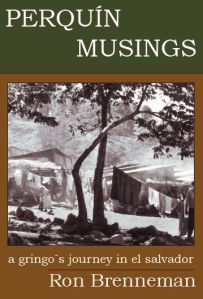
Perquín Musings, a book I penned in 2009 contains commentary regarding immigration. Given the current focus on the subject, and the fact that we have not seen much progress on the subject during the past five years, I present the short chapter “The Brightest and the Best.”

9780988592100That is a very innovative selection process up North to get the type of foreign workers needed.

First, set up the prize. Earn as much in one hour as for a whole day in El Salvador. Second, set up the obstacle course. Practically no visas, dangerous route through Guatemala and Mexico, jump the fence and a high-risk desert run at the end. Once there, faced with illegal status and immigration roundups as the order of the day.

Maybe there ought to be a new Statue of Liberty on the Rio Grande, dividing Texas from Mexico. It would have to be updated, of course, modeled after Britney Spears or the latest iconic talent, with her belly showing. The inscription reading “give me your tired, your poor…” would also need a little updating. It should read “Give me your most daring, your fittest, those willing to take chances. Give me your initiative, your future, your brightest and best.”

With around two million Salvadorans in the States, the largest national product is the remittances they send home. In sheer numbers, that workforce probably compares pretty much with the workforce left in El Salvador.

The Darwinist selection of those who go north, however, results in a quality unbalance within the two groups, at least at the gumption level.

It is probably too early to speculate on changes to the gene pool, but we are left working with those left behind.

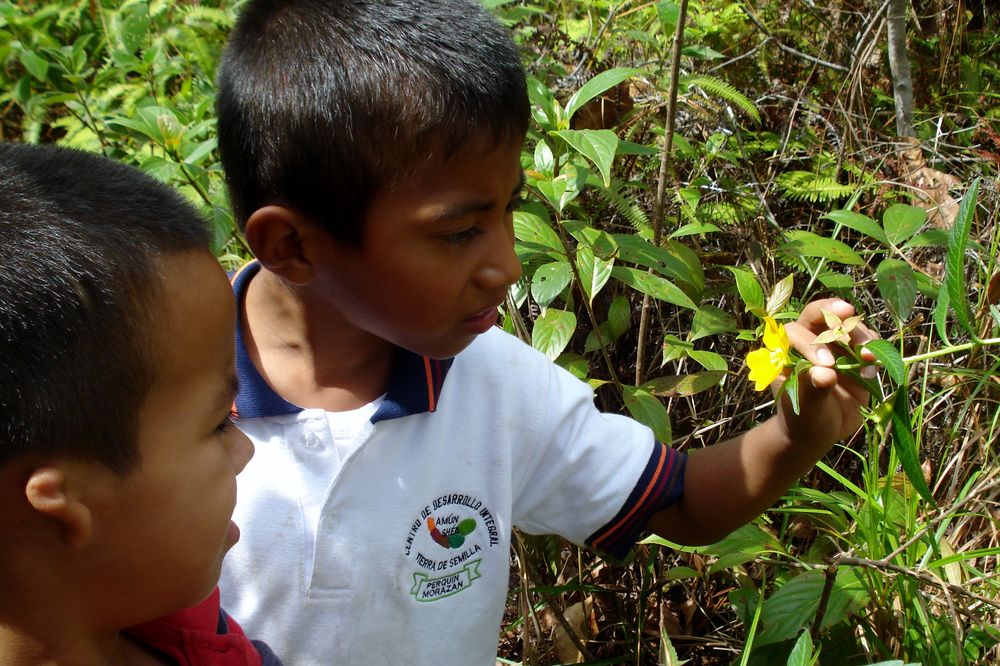
FlowerWe are working to slow that talent drain. El Salvador needs a few of the brighest and best to stay here at home; to change the conditions that leave migration as the only option for providing a decent living.

We do not believe in quick fixes, but that with a focused effort, change will start happening before we know it.

We are Amún Shéa and we are out to change our world. Join with us! It will change, only if we work together on this.

Pawns

IMG_9728

“Is that our cousin trapped at the border, Dad?” was the question from my five year old on the way to school today. My seven year old pitched in with, “yep, that´s her”, before I had the chance to try to divert the conversation, “she´s in trouble, now.”

Karen (fictitious name as I do not want to inadvertently make matters worse) is in effect detained at the US/Mexican border. She did not go unaccompanied, as reports claim regarding these children, but was abandoned at the border by the distant family member who traveled with her. The plan was for Karen´s mother to recover her daughter without trouble, as was promised in the news that went out through the grapevine. That plan was frustrated and the rules were changed as the border became overwhelmed by the sheer number of children crossing. The fact that Karen´s mother is in the USA illegally now prevents her access to her daughter.

Karen is alone. She is ten years old. She is a pawn in a political quagmire and obviously is of no importance in the big picture. She is a cousin to my children, and there she does have importance. Karen is also a student at Amún Shéa where she is very important. She did not want to go and resisted for quite a while. But her mother insisted and as it is she who supports the entire family in El Salvador, no one could really oppose.

Some thirty years ago, my wife and Karen´s mother, at about the age of my youngest ones, fled the Salvadoran Civil War as refugees to Honduras. Now this current generation of children, under different circumstances and for completely different motives, is repeating the same history. To what purpose…?

We began the Amún Shéa educational program precisely to break this type of continuation. Obviously we are not there yet, but are making headway and are committed to being an important part of the opportunities here in El Salvador which will lessen the need to migrate north in search of livelihood and substance for our families.

Political Correctness versus Just Being Polite

Bugs

I fully understand the wisdom or need to be sensitive that our actions and speech do not offend, unless offense is needed. I am not convinced, however, that Politically Correct standards are completely democratic. I find it quite tiresome that I must measure every word uttered against a no-no list provided by special interest groups, while gritting my teeth over insensitivity towards people with which I now share my life. That said, I am hopeful that in most cases it is unintentional by the “perpetrator” and in fact normally no offense is taken by the “victim.”

The purpose of bringing this up at all, far from adding to the selections categorized as hate crimes, is to share the heart-felt appreciation I perceive and openly receive while employing these simple behavioral courtesies. By no means do I wish to initiate a process in which we will all just stop speaking with one another in order not to offend. Perhaps we may call this Political Politeness, although in fact it is just being polite.

By way of clarification, I have resided in El Salvador, a small country in Central America, for the past 30 years. I also claim some understanding about what I am presenting because I grew up in rural Delaware and Virginia; meaning this may very well hurt me as much as it hurts you.

  1. While visiting another country on the American Continent, please refer to back home as the United States or the USA. You are accustomed to proudly stating, “I´m American,” and rightly so, for you are American. However, everyone else around you is also American. America is a continent; we are all Americans, from la Tierra de Fuego in Argentina to the Northern Territories of Canada. This is not an issue of ownership, just something to keep in mind.
  2. Please get off that Number One trip. It´s downright embarrassing. Really, like Beverly Hillbilly embarrassing, if you remember back that far. Do a little research and discover for yourself in which categories we are actually Number One. Those in actual top positions of achievement do not crow about it.
  3. Good intentions aside, you don´t need to have the answer to everything. Actually you do not have the answer to everything and when your mouth opens, your ears close. Learning comes long before teaching. As an old saying goes; “Better to remain silent and be considered a fool than to speak up and remove all doubt.
  4. If you are a progressive supporter of human rights and through that activism happen to meet highly skilled Hispanic professionals who have been forced to flee their home country, please do not offer them a job doing your yard-work, unless it is absolutely the only option available. They may be in need of the cash, but put yourself in their shoes.

These are a few friendly tips, given with the intention of creating a better understanding among all of us, not to create defensiveness and not to be taken as an accusation of hate crimes. Political Correctness should not revive a McCarthy-like atmosphere, which only widens the divisions separating our combined talents, but become Political Politeness building greater understanding. An understanding of and consideration toward your neighbors should never go out of style.

Power, Influence and Authority

IMG_0601


Students taking ownership of their education is a lovely concept. Making it happen in real terms, is easier said than done. The mechanics involved in shifting power from one party to another are typically brushed aside as we speak glowingly of empowerment.

We are currently working through such a watershed moment, in our school cafeteria of all places, which exemplifies the fact that there are multiple adjustments and restructuring necessary for transferring ownership. It is a process more commonly known as a power struggle.

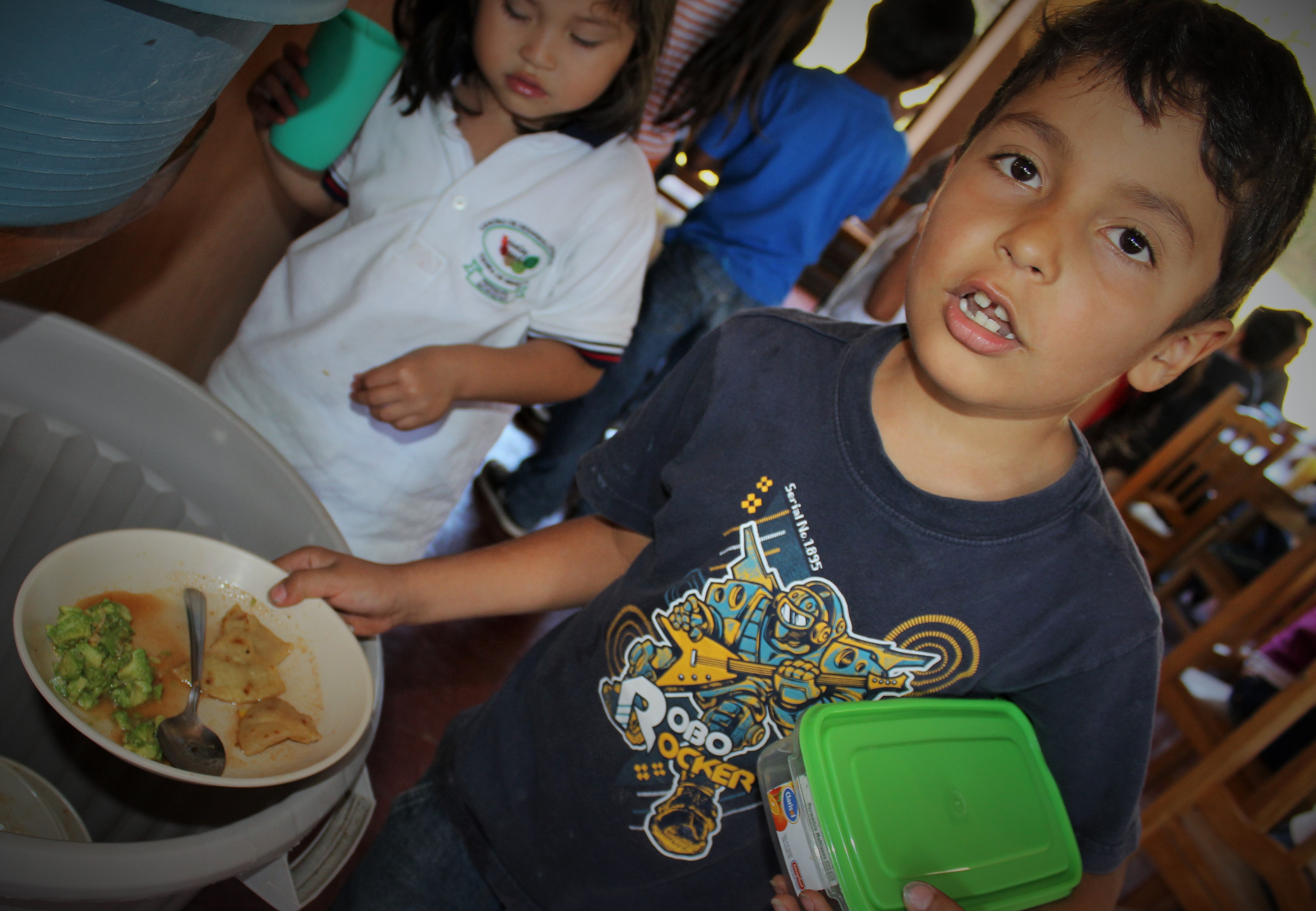
Twenty three of our students are participating in food preparation as part of their nutritional studies. This study involves organizing menus, calculating costs, determining supply logistics and much of the actual preparation of the selected menu. This takes place in the school cafeteria with food prepared for the student body and staff. This is not theoretical; it is real-time and real-world.

The kitchen staff and administration enjoyed the attention at first and supported the idea that the students should “learn how to cook.” Once the activity began to involve actual decision-making however, they felt encroached upon as this is their territory and their responsibility. The power struggle ensued.

The fact that the students are much better at some aspects of the organizing, calculating and logistics is a delicate matter; one which we will not bring up, as to not add fuel to the fire.

It is interesting that most will see this type of situation as it distraction from our task of education, rather than welcoming it as real and palatable classroom material. We have made the conscience decision to convert our administrative problems into valuable lessons for our students whenever possible. What is even more interesting is how the term, student, has broadened to include administrative and kitchen staff, along with our normal study group. We are all learning in this process.

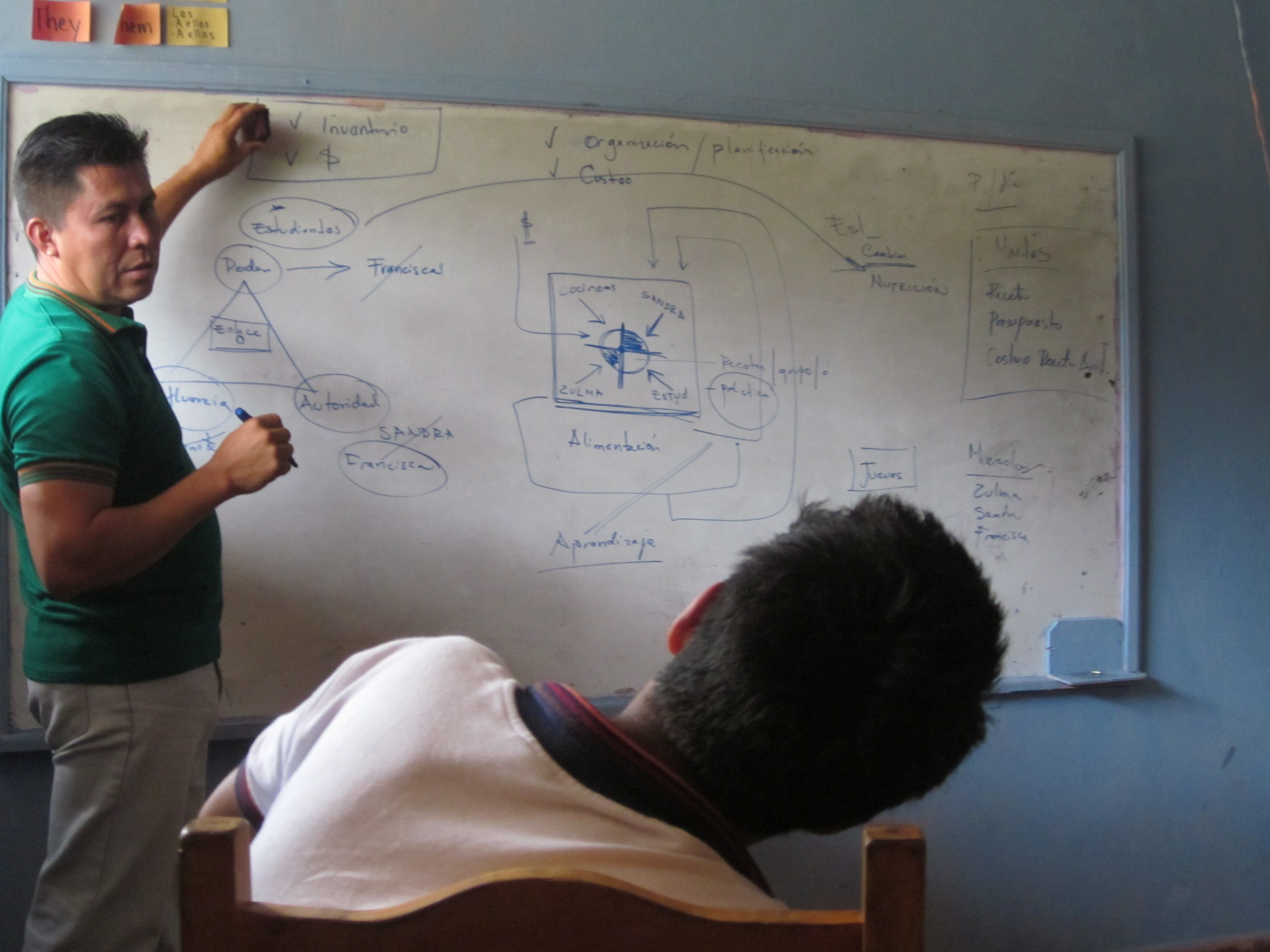
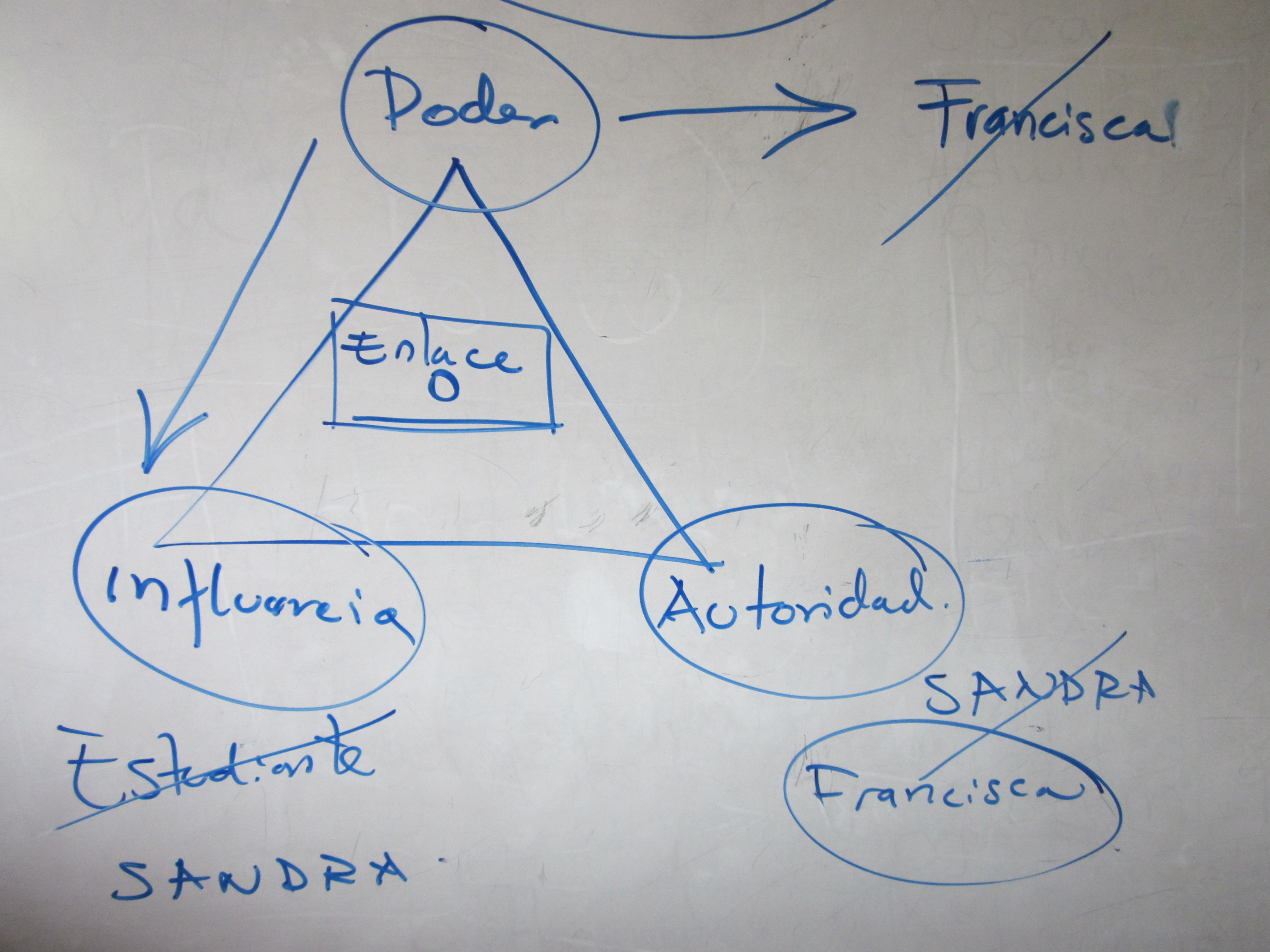
IMG_0770The route we are taking is to introduce the interplay between Power, Influence and Authority in such a way that each party can easily understand the dynamics taking place. Our goal is to arrive at a win-win conclusion for all.

This method allowed us to identify the role that each party falls into naturally. The Administrator took the role of Authority, through control of the purchases. The Cooks had Power, as they decide what to cook, how to cook it, what to combine it with and what portion to put on the plate. The students, through their expressed interest, were able to exert Influence, but not enter into decision-making.

We did find that a shift in roles was called for. It just doesn´t make good sense that the Authority in our nutrition program is the checkbook, represented by the Administrator. IMG_0776We decided that the best role for Administration was that of Influence. If we are seriously “educating,” then the students must have the Power, in so far as production costs versus nutritional benefit are concerned, and in the introduction of new menus and dietary practices. The cooks do have the ultimate Authority, given they know what is and what is not feasible and other tricks of the trade known as experience.

Arriving at this conclusion by no means actually concludes a situation as dynamic as this. There are many details to work through and sensibilities to deal with before we call it a success. At the same time, it opens a real Pandora´s box of similar circumstances that can now to be examined in a new light.

Regardless of the perspective or the method deemed more appropriate, perhaps with greater academic foundation, to speak of empowerment without actually shifting power is a ridiculous exercise in counter-productivity.

Breaking it Down into Manageable Pieces

IMG_9858

“All problems, regardless of how overwhelming they may seem to us, start out small. All difficult situations under the heavens are a compilation of simple problems.”

paraphrased from Tao Te Ching, chapter 63

It is rather overwhelming to understand that I must deal with what seems to be an ever expanding epidemic of issues such as sexual abuse, harassment, misogamy and other actions which apparently have been prevalent for some time. Unfortunately these issues have been so successfully hidden, in plain sight, that we actually lack common vocabulary to describe them.

At the same time, they are generally taboo subjects, which explains how they can be hidden away in plain sight. We can observe and give opinions when observed from afar, but when it occurs in our circle of influence, we mum up very quickly.

“When you recognize a problem, you´ve just been handed the task of solving it,” is another ageless truth that comes without exception clauses. As a father of young children and with responsibility to a school full of children, it is now my responsibility to get over being uncomfortable with the subject and assume my assigned role in helping to solve it.

It is interesting how sanitized our abstract concepts are and how they tend to hide the foul realities that create them. Take the overused term underdevelopment; we hear it often and it conjures up images of poor, yet often noble people in need of a hand. But what are the base elements of underdevelopment, if not unsightly and often very ignoble displays of human nature coupled with dire economic conditions? With our work in northern Morazán in El Salvador, we often tout the fact that we have the lowest murder rate in the country. We will leave out however, the contradictory fact that we have one of the highest levels of interfamily violence. And what makes up interfamily violence? All of those phrases we don´t want to consider, much less openly discuss; neglect, psychological abuse, beating, molestation, incest and rape. This is not a blanket condemnation of the community, just some of the cold hard facts contributing to underdevelopment. And yes, much of the community deserves the distinction of noble and warm-heartedness.

It is high time we stop dealing with the abstracts and start applying that ageless counsel of dealing with the individual and simple components that comprise the overwhelming problem. Or better said resolve the problems while they are still small; nip them in the bud.

We had an “issue” several weeks ago at the Amún Shéa School. It consisted of a male teacher taking inappropriate actions toward several female students, to the point that they became uncomfortable. The short story is that the students spoke up, the teacher was fired and we showcased the incident as an example of empowerment and several of our supporters became uncomfortable.

On the surface, a very simple incident, but one that could actually provoke “much ado over nothing” comments. Just below the surface, however, lie key elements in “nipping the problem in the bud.”

First and foremost, the students involved have not become victims. They spoke up publicly in a transparent matter-of-fact setting and effected the necessary change, without the need to take on the role of victim. I believe this aspect deserves a good hard look. It is an area outside my personal expertise. I do appreciate organizations that work with victims, but firmly believe that in many cases we can prevent the victimization from occurring in the first place. Empowerment is another overused term, but self-aware young people with a sense of self-worth and self-ownership, who are supported by “us” and by involved institutions, are less likely to become victims.

Secondly, the negative role model being presented by the male teacher to male students was thoroughly thrashed. The public accusation was necessary for this important aspect. We cannot ignore the fact that most learning occurs through example, especially in terms of social behavior. Sweeping the incident under the rug only trains the next generation in unacceptable “manly” behavior.

The third point is that this is not a law-enforcement problem. This is a “just whom are we here for” type of situation. Law enforcement is required when total breakdown occurs and a victim is created. We have the responsibility of creating the conditions that do not allow the situation to get to that point. The guideline seems to be the comfort zone. No one should be expected to bear with impositions of intimacy from others that create discomfort. “Your freedom stops where mine begins,” a sometimes controversial phrase, works well here, as does the concept of individual sovereignty. They must, however be broadened to explicitly include minors and others considered to be “institutional wards.” Indeed, enrollment in a school does not lessen individual sovereignty of the minor, but rather doubles the institutional responsibility in the protection of that sovereignty.

An open, frank and transparent atmosphere is the fourth element in nipping this problem at the bud. We must be perfectly clear in the understanding that it is nothing more than our denial and embarrassment over given subjects of conversation that casts the shadows which allow these actions to originate and propagate. A conscience effort to name actions for what they are, in a public and very timely manner, must be our personal and institutional policy.

The world is not limited to our school, of course, not even for our students. This is why it is so important that empowerment and self-worth is instilled in each student. In the end it is they who will eradicate this stupidity and prepare for their own challenges. We are here only to support them and to break things down to manageable pieces.
The Mandate of Education in Development

Niño brazos en alto

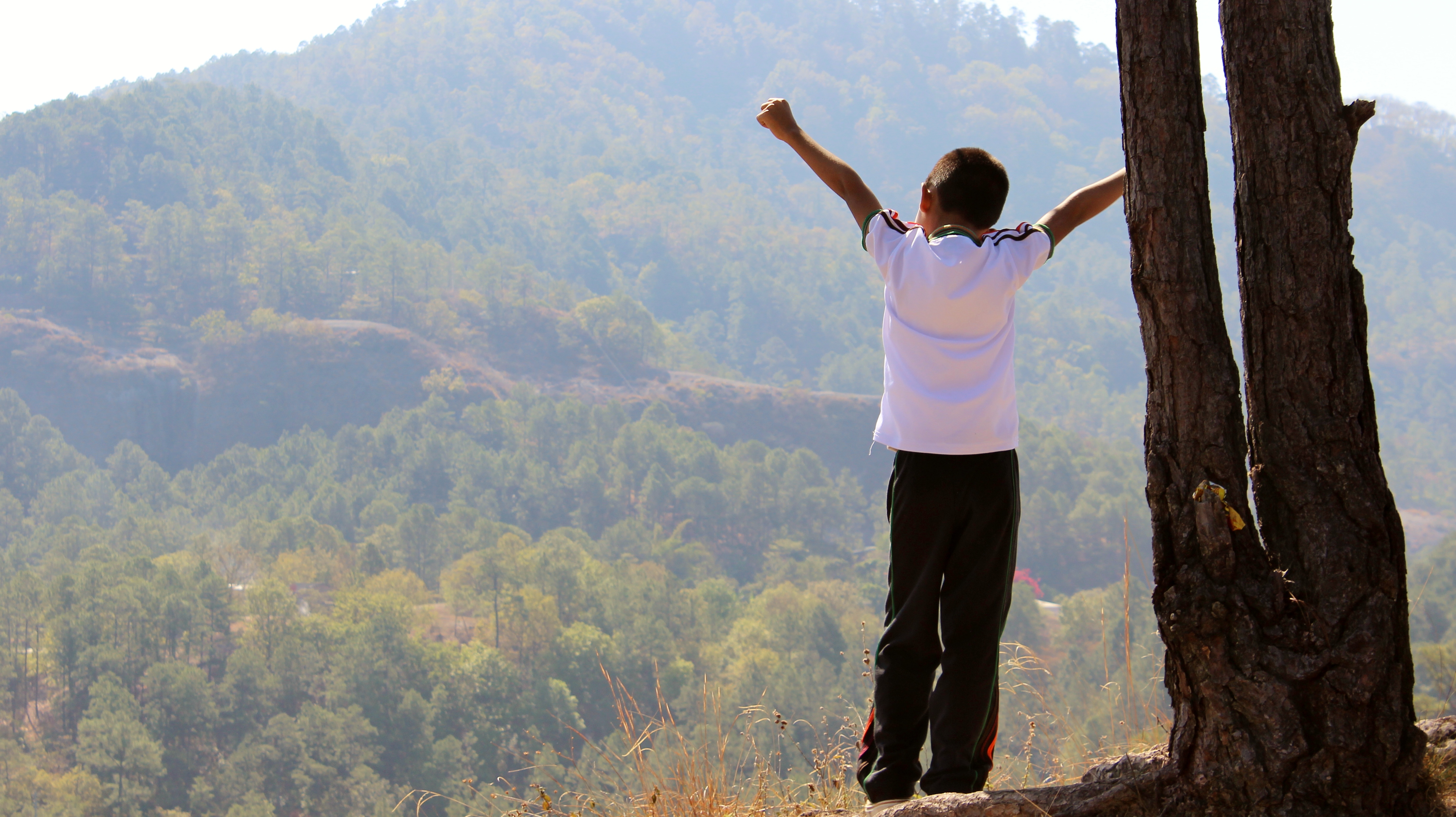
Education has a mandate in socioeconomic development! Especially in economically unstable regions, the implementation of new productive endeavors or innovative methods requires a time consuming learning process. In underdeveloped regions of the world, much of the effort of outside experts is consumed in teaching basic concepts and simple mathematic operations instead of implementing the necessary modernization.

Typically, these development projects are implemented in close proximity to a local school. These schools, as part of the “formal educational system” use standardized lessons which are often completely divorced from community needs and employment opportunities. This void easily reaches a point where the focus on the hypothetical leaves students unprepared for real-world situations. This situation actually disempowers people and generates passivity in the face of personal and shared challenges.

The mandate is to bridge this gap between education given and the knowledge needed, if we are to see positive change in socioeconomic statistics. A first step is to merge the activities of education and development so that obstacles to growth become areas of study in the school. Next, outside technical assistance must be made available through the school, which amplifies coverage, lessens time spent on basic concepts and takes advantage of potent youthful energy. This merging of activities enhances the quality of each by providing purpose and motivation for each.

Unfortunately, the intent of creating equal opportunity through the standardization process, while claiming different degrees of success in different places, in general failed completely throughout economically stagnant regions of the world. The wholesale training of an employee class, and then sending them out into a jobless situation, is counterproductive. Opportunity lies in entrepreneurship and the application of creativity to specific local circumstances.

Amún Shéa, a school in the Morazán province of El Salvador, has accepted this mandate and has taken on the challenge of merging education and development. It is a unique but proven educational project, designed to combat the self-perpetuating underdevelopment that is endemic to the region. It is working to stop this repetitive cycle through human development which focuses on changing attitudes, building real-world skills and creating opportunity for realization of hopes, dreams and goals.

It is gratifying and provides hope to see endeavors similar to Amún Shéa developing quietly throughout the world. It makes the future brighter. Be a part of it!

Educación, pobreza y estatus quo

IMG_7893 (1280x855)

Llegar a distinguirse como la zona más pobre del país, tanto a nivel económico como en lo académico, no es tarea fácil. Lleva años, incluso décadas, muchos pasos progresivos para lograrlo y aún más trabajo para mantenerlo. Se manifiesta en actitudes, en conformismo y una paradójica combinación de resentimiento y resignación. Se expresa en el estatus quo y lejos de motivar la búsqueda de alternativas de salida de la pobreza, se induce una fuerte resistencia a cambio. En un mundo de incerteza y temor, el saber tu puesto y rol provee un sentido de seguridad, aún y cuando tu puesto se encuentra en el último lugar. Éste es la situación actual en el norte de Morazán, en el nor-oriente de El Salvador.

La división de los roles y la plena aceptación de ellos entre todos los actores son factores determinantes en mantener el estatus quo. La automatización de los procesos sociales resulta en la aceptación de ser siempre la “población beneficiario” para los organismos de la Industria de la Pobreza y de un entendimiento tácito en cuanto el reparto o distribución de esta cooperación.

La intromisión de elementos, instituciones o conceptos ajenos del “entendimiento” es causa de gran preocupación. Peor aún son los que apuntan a efectuar cambios estructurales que podrían modificar la percepción o imagen de “pobres, víctimas y dignas.”

En 2008, iniciamos el Centro de Desarrollo Integral, Amún Shéa, como un sistema educativo diseñado para responder a las necesidades socioeconómicas de la zona. Como esperado, el programa inmediatamente se llamó la atención, tanto de padres y madres quienes lo vieron como una opción viable para mejorar el futuro de sus hijos, como de algunos que lo vieron con desconfianza, con temor que vendría a complicar el estatus quo. Como expresó un miembro de consejo municipal local, “la capacidad de gestión de este proyecto va a absorber un porcentaje desproporcional de la ayuda internacional designada a la zona.”

Metodología nueva que no contiene “los básicos” de la educación tradicional es rechazada automáticamente, aunque se acepta que el sistema actual de educación en Morazán es un fracaso. Es cierto que incluso los padres y madres que apoyan el programa tienen dificultad midiendo el progreso de su hijo o hija por medio de estándares tradicionales, hasta que aprendan nuevas sistemas de evaluación. La experiencia demuestra que nuestro programa funciona, que es efectivo y que cuenta con resultados positivos tangibles. La asimilación de la comunidad, mas sin embargo, es un proceso retrasado por el estatus quo.

El punto es, para que un programa educativo o cualquier otro programa sea exitoso en crear cambios reales; primero debe superar la inercia del estatus quo que permea los estratos sociales, incluso a los que aparentemente apoyan el cambio y la erradicación de la pobreza.

Education, Poverty and Status Quo

IMG_0201

Gaining distinction as the poorest area in the country, both in economic terms and academic achievement, is not an easy task. It takes years, even decades and many progressive steps to achieve it, and even more work to maintain it. It is manifested in attitudes, in conformity and a paradoxical combination of resentment and resignation. It is expressed in the status quo and far from motivating the search for alternatives out of poverty; it actually induces a strong resistance to change. In an uncertain, fearful world knowing your place and your role provides a sense of security, even when that place is last place. This is the current situation in northern Morazán, in north-east El Salvador.

The division of roles and full acceptance of them among all players is the determining factor in maintaining status quo. The automation of social processes results in the acceptance of always being the “beneficiary population” for entities of the Poverty Industry and a tacit understanding with regard to the distribution of the provided resources.

The intromission of elements, institutions or concepts foreign to the “understanding” is cause for great concern. Worse yet are those that focus on developing structural changes which could modify the perception or image of the “poor and dignified victims.”

In 2008 we started Amún Shéa, Center for Integrated Development, as an alternative educational system designed to address the socioeconomic needs of the area. As expected, the program immediately drew attention to itself, both from parents seeing it as a viable option for bettering their children’s future and by those who looked at it warily, fearing that it would disrupt the status quo. As one local council member expressed, “the fundraising capacity of this project, will absorb a disproportionate share of international cooperation designated for the area.”

New methodology which does not contain “the basics” of traditional education is automatically rejected, although it is generally accepted that the current educational system in Morazán is a failure. Even parents supportive of the program have difficulty measuring their child´s progress by traditional standards, until they learn new systems of evaluation. Experience shows that our program works, is effective and has tangible positive results. Assimilation within the community, nevertheless, is a process delayed by status quo.

The point is, for an educational program or any other program to be successful in creating real change; it must first overcome the inertia of status quo which permeates social strati, including those seemingly supportive of change and poverty eradication.

De la Realidad hacía lo Ideal

Boy with Pipe banner 44Es muy fácil clavarnos en un debate sin fin sobre la educación, si no nos ubicamos primero referente al ángulo o punto de vista representado. La brecha entre la realidad, más bien entre las variadas realidades según circunstancias y ubicación, y lo ideal se duplica muchas veces en la discusión.

Como me dijo un amigo, Menno, hace ya unos veinticinco años atrás, “todo plan es perfecto sobre papel; el problema es que depende del hombre para implementarlo.” Coincido totalmente con Menno, en que todos los proyectos y reformas educativos son perfectos, hasta son ideales, pero hasta el momento de su aplicación. He aquí la razón del enfoque e importancia que da el PNUD y otras instancias sobre el desarrollo humano, ya que es el elemento que determina el éxito o fracaso operativo de todo plan.

Si aceptamos la realidad de una brecha entre el programa educativo nacional y su aplicación, y si evaluamos que, lejos de mejorar, tiene una tendencia marcada de espiral descendente, entonces el debate debería centrar en las medidas a tomar para revertir el proceso hacia lo positivo.

Tenemos que aceptar además que todo programa nacional es centro-céntrico, valga la redundancia, y que las condiciones del centro difieren mucho del periférico. Así “las medidas a tomar” en toda probabilidad son reflejo de cada realidad actual, aunque tengamos un ideal o norte en común para guiarnos.

La ley de desarrollo desigual nos indica que entre más atrasada, más posibilidad de un salto de calidad, ya que difícilmente se abandona inversión de infraestructura y procesos que están todavía funcionando aún a medias. Donde tal inversión no existe y no hay necesidad de deshacer para construir, la acción de cambio tiene mayor libertad y menos ataduras.

Propongo que el norte de Morazán se encuentra en una posición de ventaja para poder realizar cambios radicales y tomar las medidas de corrección necesarias en materia educativa, ya que se encuentra firmemente en el último lugar de rendimiento académico y el primer lugar en la pobreza de la nación. Continuidad solo garantiza continuidad.

La opción de esperar que las reformas nuevas y los directrices operacionales filtran del centro hacía la periferia no es viable. Así como está la situación, cada región o realidad tendrá que proponerse a realizar los cambios necesarios para sacudir al fondo la inercia de un sistema estancado.

Mas sin embargo, estando en el piso sin más salida que para arriba, fácilmente se puede caer en un nivel de activismo o maquearismo que aparenta mejora en el corto plazo pero que carece de bases fundamentales sobre lo cual se puede continuar construyendo. Eso es el gran reto actual; hacer los cambios necesarios, radicales incluso, sin despegar de los cimientos fundamentales de la educación. Pues, es fácil hacer olas en un charco pacho.

Previo al debate de fondo sobre la educación viene el estire y coge de quien o que instancia es la que puede determinar cuáles son los fundamentos intocables académicos. ¿Quién es el dueño del circo? …..y ¿por qué?

Algunas preguntas para la discusión:

1. ¿Es un docente con escalafón la mejor opción para las responsabilidades de director, o estos se resuelvan mejor otro profesional?

2. ¿Con un profesional no-docente como director, podría haber otro nivel de aplicación de las reformas educativas?

3. ¿Se obtiene conocimiento con teoría o es necesario aplicación? ¿y si es posible enseñar un conocimiento no aplicado?

4. ¿Es el docente la única vía y realmente insustituible en la obtención de la educación?

5. ¿Podríamos diversificar el “programa” educativo, creando opciones de vías de aprendizaje en concordancia con los intereses, capacidades y expectativas de los “clientes?” ¿No llevan todos los caminos a Roma?

6. ¿Cómo se organice un programa “nacional” que no es marcado por centro y periférica?

7. ¿Cuál es el producto que buscamos con la educación, el tigre o el perico?

OVEREXPOSURE!

It’s an ornery word! Comes complete with various negative conations. With sun, it can burn and turn your skin red. With a photograph, it will bleach and take out color. With a rock star it can reduce popularity. I worry what it might do to a foundation seeking funding. Or to put it bluntly, am I overexposed!

On the other hand, overexposure can be beneficial. I have a friend who told the story of a car dealership in southeastern Pennsylvania who found overexposure to be a good thing. As the story goes, a Ford dealership in a small town was trying to get their name out to a wider customer base. Some advertising genius somewhere came up with an ad that had as their tag line, “I got a hunnert dollar better deal at Keller Ford!”. Not hundred dollar, it was carefully pronounced “hunnert” by the pseudo customers in the various ads. Apparently it was a pretty obnoxious ad and it played on radio and television several times a day, for many days in a row. After a short break, the whole campaign was repeated. This went on for a couple of years. It seemed like everyone within a hundred miles of the dealership was repeating the mantra of “I got a hunnert dollar better deal”, and then complaining about it. But everybody knew it! Overexposure! The friend, who was acquainted with a son of the owner, was told by the son that he and the rest of the family would apologize to anyone about the ad, but continued to use it. It was used because it was very effective and everyone knew about Keller Ford because of that ad! So for them overexposure worked.

Hopefully Amun Shea will not suffer from overexposure. I have been told a couple of times, not many, to hold back on our fundraising efforts. Unfortunately we are so close to our goal that I don’t think I can do that. Of the several million people who might be interested in our school, we are aware of only a few hundred that have been reached. Can’t call that overexposure. So help us attain the beginnings of overexposure. Tell all your friends about us. Call them. Email them. Facebook them. Perhaps even talk to them.

We can’t promise a “Hunnert dollar better deal”, but with your help we can promise a “Hundred student better education”!